Description
Develop a Makeup Cleansing Gel Around the Use Instruction
The useful factory discussion starts with a filled pump, a texture sample and a written use sequence. A gel intended to spread over dry skin before rinsing needs a different review from a foaming wash applied to wet skin. GUOCUI BIO TECH / Guangzhou Guocui Biological Technology Co., Ltd. can help overseas buyers define that distinction before formula, package and label decisions move into a quotation.
Direct answer: a private label dry-hand makeup cleansing gel is a rinse-off development direction built around controlled dispensing, spread over a defined makeup film, water addition and residue evaluation. It is a custom formula and packaging project. Removal performance, finished ingredient list, instructions, MOQ, quotation and timing require review of the buyer’s actual brief and samples.
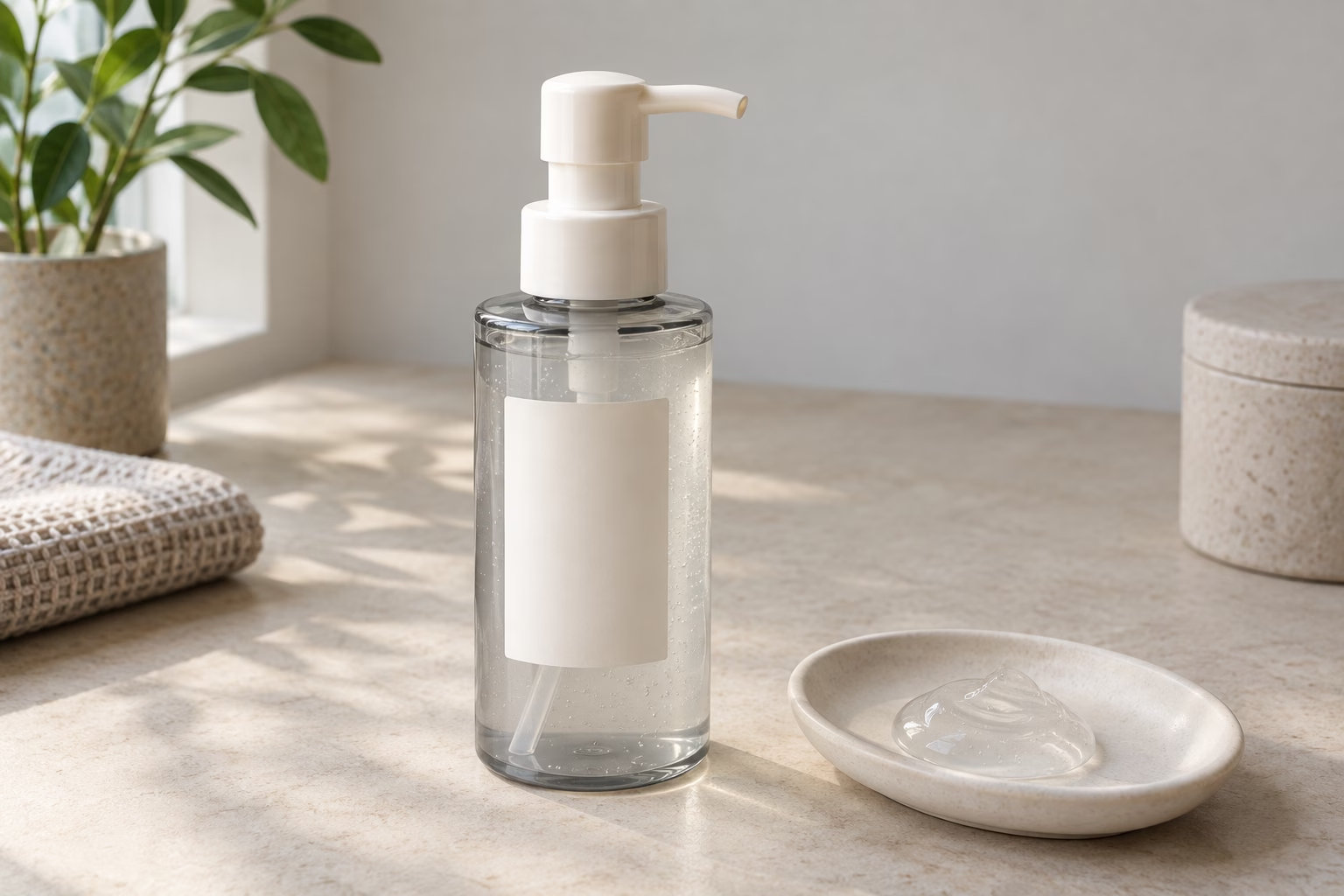
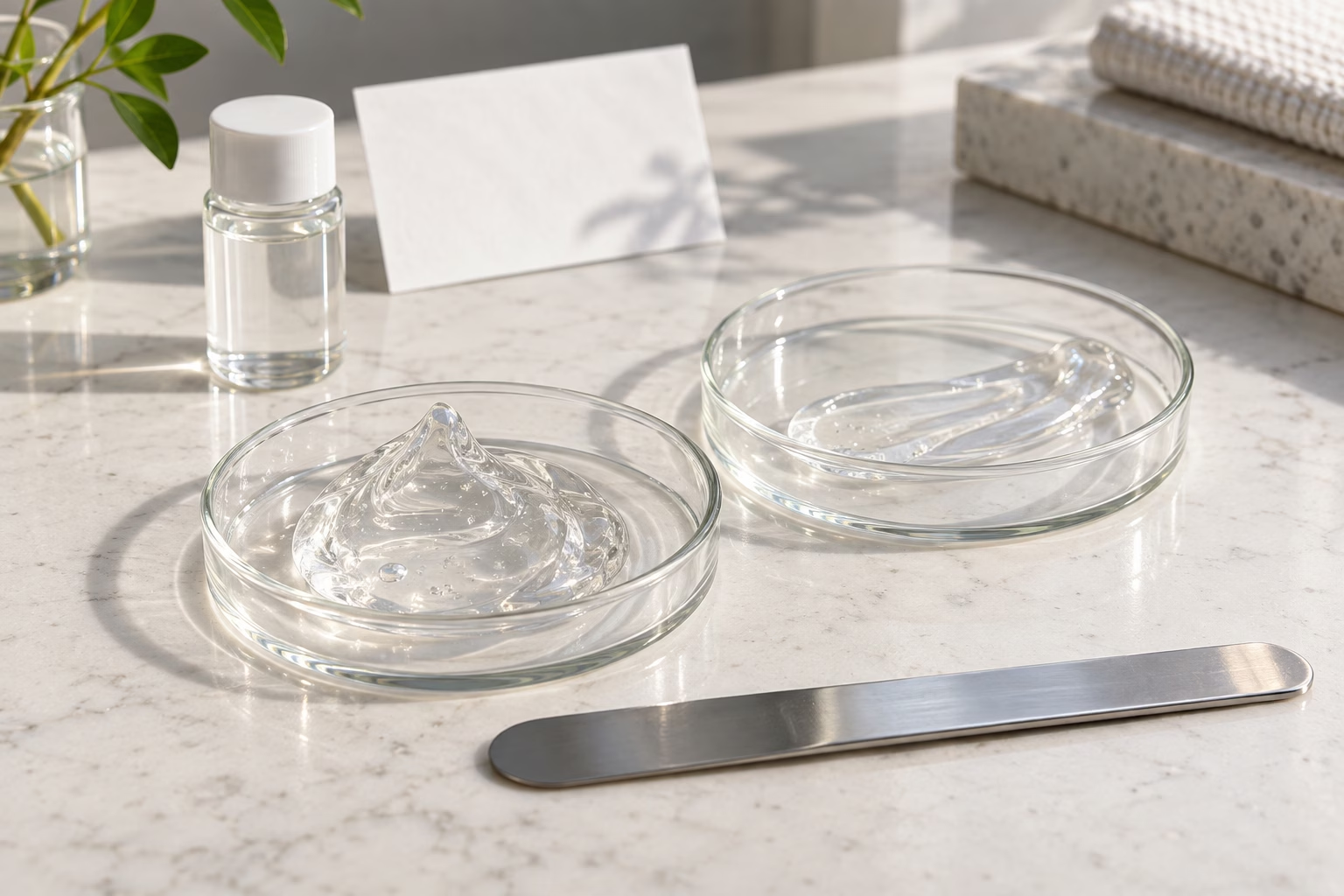
All three images on this page are AI-generated development illustrations. Bottles, gel textures, cartons and props are hypothetical discussion options. They do not document GUOCUI premises, employees, an approved formula, completed QC, inventory, customer orders or shipments.
Product Positioning and Suitable Channels
This direction suits private-label skincare brands adding a dedicated makeup-removal step, distributors comparing cleansing formats, salon and spa buyers developing take-home routines, and online beauty sellers who need clear dispensing and rinse instructions. A full-size pump and a smaller evaluation or travel format can be reviewed together, while each component keeps its own compatibility and dispensing record.
The intended starting point is a cohesive gel for application with dry hands, followed by water rinsing. That use sequence must be confirmed for the selected formula. The product is separate from a cleansing balm that melts during use and from the second-step gel in a double-cleansing pair. Buyers can compare our balm and gel sampling program if they want two separately approved formulas.
Custom Formula, Texture and Fragrance Options
A brief can compare a lighter-flowing gel with a more cushioned gel while keeping the intended application and evaluation method consistent. Discussion points include clarity or soft opalescence, gel pickup, slip, stringing at the nozzle, spread time, response to added water and the preferred after-rinse feel. These are sample targets, not promises that every combination is immediately available.
Formula development can consider a suitable cleansing system, humectant balance and cosmetic skin-conditioning ingredients. A buyer may request a fragrance-free direction or a separately reviewed light-fragrance route. Ingredient level, pH, viscosity, preservation and intended use must be evaluated together. Fragrance-free wording depends on the final formula and label review; it does not establish suitability for every user.
A documented fermentation-derived ingredient may be discussed as an optional branch. Its supplier identity, composition, carrier, batch specification, odor, color and compatibility must be known before inclusion. The gel does not need a complex ingredient story to justify development. A plain base with a clear dispensing and rinse specification may be the more useful first comparison.
Set the Removal and Rinse Review Before Sampling
The buyer should identify the intended makeup category and use area. Everyday facial makeup, long-wear film and eye-area products create different questions. A general facial development brief does not establish eye-area suitability, lash-adhesive compatibility or removal of every waterproof product. Any such use must have its own formula, safety, performance and label assessment.
- Record the test film, application amount and drying interval so each gel sample faces the same challenge.
- Keep gel mass, spreading method, contact time and rinse conditions consistent. A pump count alone is insufficient when different pumps dispense different amounts.
- Separate visible makeup residue from subjective slip, tack, tightness and comfort observations.
- Compare initial and repeated pump strokes, clean cutoff, nozzle residue and recovery after standing.
- Assign the technical safety, stability, microbiological and package-compatibility reviews appropriate to the formula, use and destination market.
The approved use instruction should follow those results. A one-step or double-cleansing recommendation is a decision to substantiate, rather than a phrase copied from a reference product. Photographs can document appearance and test setup; they cannot establish safety or complete removal by themselves.
Pump, Capacity, Label and Set Customization
Conventional pump bottles can be assessed for countertop use, with component material, neck finish, dip-tube length, actuator and locking method recorded against the filled sample. A smaller flip-top bottle or suitable tube can be considered for a travel or trial route. The required capacity follows the buyer’s intended dose, routine, channel and order plan. No capacity or component shown in an illustration is a confirmed production specification.
Logo application, label material, direct decoration, color matching, folding cartons, insert cards and coordinated cleansing sets can be discussed. Buyers should identify their label languages, mandatory market information, barcode needs, batch-code area and desired carton presentation early. A formula change or a different pump may reopen filled-pack checks, so the approved sample and component references should stay linked.
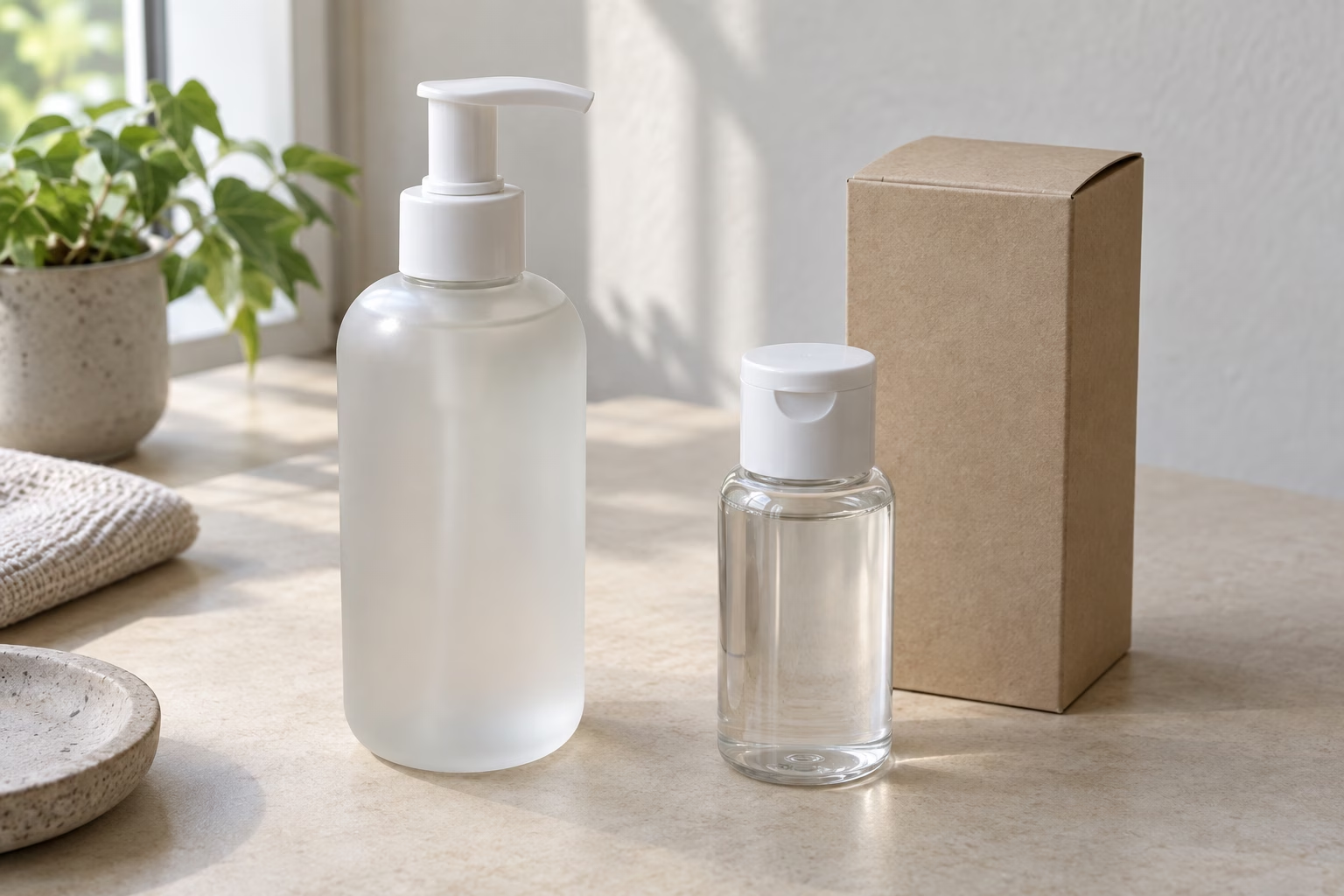
The illustrated full-size pump and small bottle are separate packaging options. The image does not establish shared components, refill compatibility, leak resistance, recyclability or available stock.
Sample Review, QC Communication and Packing Preparation
The project begins with the buyer’s market, cleansing task and sensory target. The next discussion aligns a formula direction with a small component shortlist. Coded samples make feedback more useful: describe whether a sample needs easier spread, less nozzle stringing, a different rinse finish or clearer directions, and record the version being assessed.
After a route is selected, the handoff should identify formula revision, approved appearance and odor, agreed viscosity and fill controls, package code, closure, artwork revision and carton specification. Manufacturing and quality teams can then align the inspection plan with the actual project. Packing preparation may include label placement, batch-code legibility, carton fit, shipping marks and the buyer’s requested export documents.
This page describes the development conversation and proposed checks. It does not claim that a particular sample has already passed them. GUOCUI’s role is to keep formula discussion, package selection, label localization, sample feedback and export communication connected so the buyer can approve a specific version.
MOQ, Quotation and Production Timing
MOQ and quotation can be confirmed after formula, packaging, and order plan review. Cost drivers include the cleansing-system route, ingredient choices, pump or tube specification, capacity, decoration, label languages, cartons, order quantity, requested evaluations and shipping plan. A stock component with a simple label and a custom-colored pump with a coordinated carton may require different commercial plans.
Sample and production timeline can be confirmed after formula and packaging review. Revisions, component sourcing, compatibility work, artwork confirmation and destination-market documents can affect that schedule. Buyers should separate their target launch date from the dates still awaiting confirmation. This is an inquiry-only B2B direction with no fixed retail price or online payment route.
Information to Send with the Inquiry
- Target country, buyer type, sales channel and intended facial makeup-removal use.
- Desired gel body, clarity, fragrance direction, rinse feel and proposed cosmetic wording.
- Makeup categories to include in the evaluation and any areas or uses to exclude.
- Preferred pump, small bottle or tube, capacity range, label languages and carton needs.
- Estimated order range, sample priorities, launch window and shipping destination.
- Available ingredient documents, testing requirements and the person approving formula and artwork.
Frequently Asked Questions
How is this different from a foaming gel cleanser?
The proposed task is to spread a gel over a defined makeup film before water rinsing. A wet-skin face wash is a different use brief. The actual formula, removal assessment and instructions determine the final distinction.
Can the texture and pump dose be customized?
They can be reviewed together. The team needs a defined gel target and a filled component sample to compare dose consistency, priming, cutoff and residue. A nominal pump specification does not replace a filled-pack check.
Is a fermented ingredient required?
No. It is an optional documented development branch. A conventional cleansing base can be evaluated first, and any later ingredient change should trigger the relevant formula and packaging reviews.
Can this be described as suitable for eyes or lash extensions?
That wording is not included by default. The intended use requires specific safety, compatibility and performance evidence before it is added to directions or promotional copy.
What should be confirmed before a commercial order?
Agree the formula reference, use instruction, claim scope, package, artwork, quantity plan, required evaluations and approval responsibilities. GUOCUI can then confirm the quotation and production plan against those inputs.
Discuss Your Private Label Cleansing Project
Browse GUOCUI Products and the Facial Cleanser category, review Private Label and OEM/ODM Customization, and read the gel cleanser sample checklist. For dated industry context, visit Skincare Industry Trends. Send the intended use, texture and packaging brief through the product inquiry form or Contact GUOCUI.


