Description
Salicylic Acid Toner Private Label Development
Direct answer for B2B buyers: GUOCUI BIO TECH / Guangzhou Guocui Biological Technology Co., Ltd. can prepare a private label salicylic-acid toner or liquid-exfoliant development route for brands that need a water-light facial step with controlled dispensing, formula-specific directions and target-market claim review. Ingredient identity and level, pH, solvent system, clarity, crystallization risk, package compatibility and consumer-use instructions must be defined together before the product is approved.
This is an inquiry-only OEM/ODM product direction. The final formula, safety assessment, ingredient documentation, use frequency, label wording and destination classification remain project decisions. Treatment or unsupported efficacy claims are not part of this product direction.
The factory-side team can coordinate buyer-brief intake, formula-sample comparison, package-component review, artwork and label proofing, and a pre-production checklist after the buyer confirms the target market, channel and project scope.

Who This Liquid-Exfoliant Direction Suits
- Skincare brands adding a clearly defined toner or liquid-exfoliant step beside cleanser, serum and moisturizer products.
- Distributors that need the formula route, use instructions and destination claim boundary organized before quotation.
- Salon, spa and professional-retail buyers comparing bottle, reducer, pump or pad-dispensing formats.
- E-commerce teams that need a low-leakage pack, clear directions and restrained cosmetic wording for product listings.
- Founder-led brands creating their own focused salicylic-acid concept, package route and buyer brief.
The buyer should decide whether the product is intended as a toner-like routine step, a more focused liquid-exfoliant format or a limited-frequency sample direction. Those positions can require different formula targets, directions, caution language and pack control.
Formula, pH, Clarity and Sensory Review
Salicylic acid should be treated as a documented formula input, not as a headline number selected before the target market and product design are known. The development brief should identify the ingredient source, proposed level, solvent and solubilization route, supporting materials, compatible humectant or soothing-positioned options, intended routine role and wording limits.
Coded samples can be compared for appearance, clarity or controlled haze, color, odor, pH, flow, slip, tack, residue and dry-down feel. Formula review should also track visible precipitation or crystallization under the agreed conditions, because a clear first sample does not by itself establish stability. The chosen bottle, closure and dispensing path need compatibility review with the actual formula.
Public copy should remain cosmetic and formula-specific. Exfoliating or clarifying-positioned wording may be considered only after the formula, safety review, directions and target-market requirements are known. Treatment or unsupported efficacy claims are not used.
Bottle, Reducer, Pump and Pad-Use Options
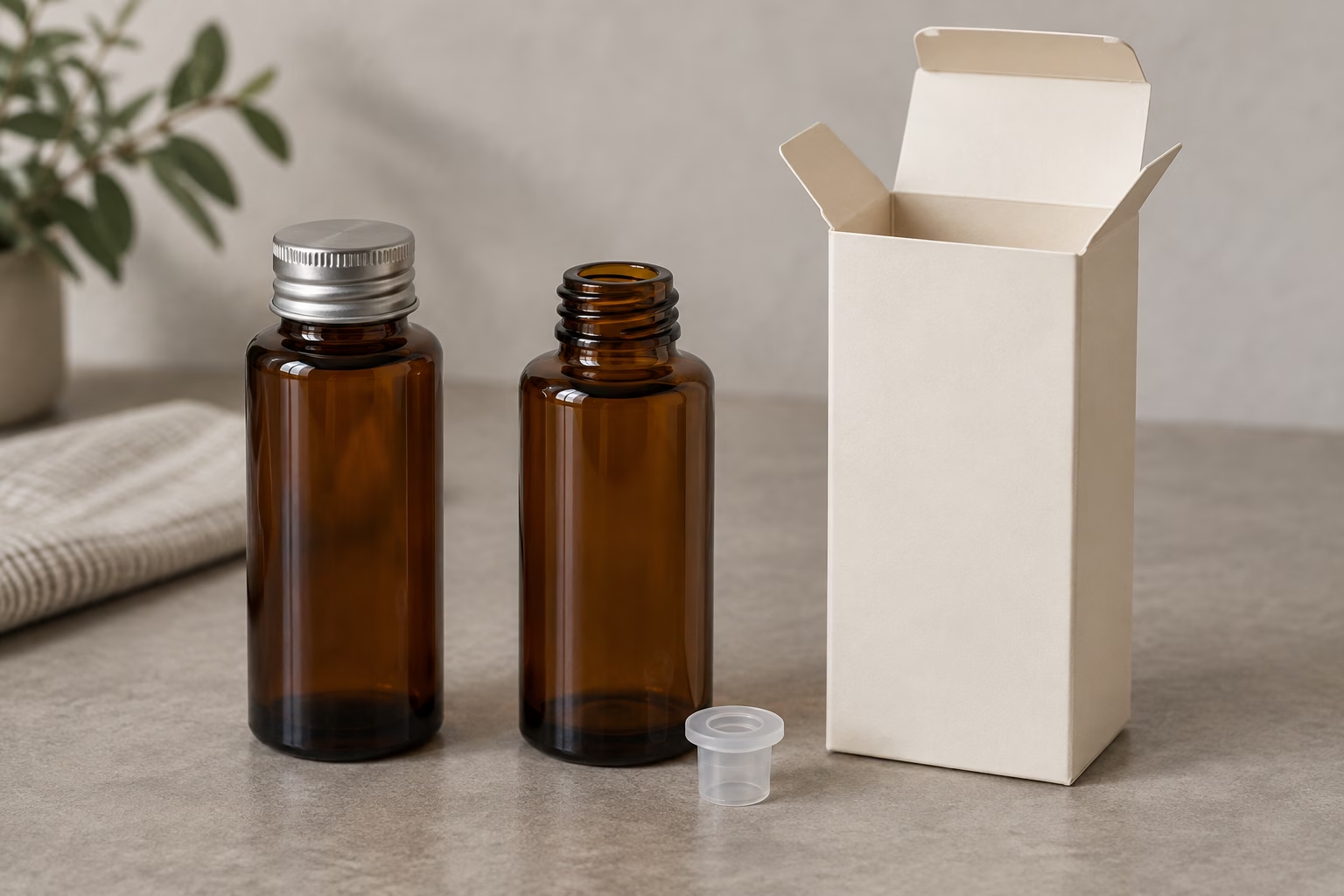
A water-light exfoliant can be packaged in a bottle with a reducer opening, a controlled pump, a treatment-style cap or another buyer-approved component. If the buyer plans cotton-pad application, the dose, neck opening and spill behavior should be reviewed with the pad and use instructions. A refill or pre-saturated pad route is a separate formula, hygiene and package project.
- Reducer bottle: review drop or stream control, drip-back, neck residue, cap fit and accidental over-dispensing.
- Pump bottle: compare output per actuation, priming, spray or stream behavior, dip-tube reach and remaining-product handling.
- Opaque or tinted pack: discuss only after formula, compatibility, channel and artwork needs are known; color alone does not prove protection.
- Label and carton: reserve space for ingredient declaration, directions, caution language, batch code, buyer artwork and required market text.
Component availability, material, decoration, fill method and closure performance must be confirmed against the formula and quantity. The page does not promise that every pictured component will suit every acid-positioned formula or destination.
Sample, Safety and QC Review Workflow
- Buyer brief: confirm target market, sales channel, routine position, intended user profile, proposed use frequency, ingredient restrictions, package route, label languages and estimated quantity range.
- Formula boundary: document the salicylic-acid input, proposed level, solvent system, pH target, supporting ingredients and destination-market wording route before samples are compared.
- Coded sample review: record appearance, clarity, odor, flow, slip, tack, residue, pH and agreed sensory observations. Do not turn informal observations into efficacy claims.
- Stability and compatibility plan: define the relevant temperature, time, light, clarity or crystallization observations and filled-package checks for the final specification.
- Use and caution review: prepare formula-specific directions, frequency, application method, foreseeable misuse and caution language for the target market.
- Artwork and pre-production checks: approve ingredient text, directions, label hierarchy, fill volume, closure fit, pump or reducer output, print position, carton count and export packing method.
The exact test plan and acceptance criteria belong to the approved specification. This page does not claim that stability, compatibility, safety or consumer testing has already been completed.
Claim, Use-Frequency and Market Gate
The buyer’s target country and channel should be identified before formula level or headline wording is fixed. Salicylic-acid status, permitted product positioning, directions and warnings can differ by formula and destination. GUOCUI should review the requested language against the final ingredient documentation and the buyer’s market requirements.
A product called “toner” may be expected to fit a broad routine, while a “liquid exfoliant” may signal a different use pattern. The name, formula, dose and directions should agree. If the buyer requests a stronger active story, a fixed concentration or treatment-style wording, that request needs separate regulatory and safety review before it appears in artwork or public copy.
MOQ, Quotation and Timing Inputs
MOQ, quotation and sample timing can be confirmed after formula, packaging and order-plan review. Cost and timing can change with the ingredient route, solvent system, sample rounds, bottle and closure, decoration, fill volume, carton, testing or document needs, quantity split and shipping destination.
For a useful quotation discussion, send:
- Target country, sales channel and intended toner or liquid-exfoliant routine role.
- Ingredient directions to include or avoid, proposed use frequency and requested claim boundary.
- Preferred reducer, pump or controlled-dose package plus an acceptable fallback.
- Target fill range, logo file, label languages, carton needs and estimated quantity range.
- Sample review date, launch window, destination-document needs and shipping destination.
A quotation should identify the formula and package assumptions so the buyer can compare proposals on the same basis. Price, MOQ and timing are confirmed only after the project scope is reviewed.
Image and Source Boundary
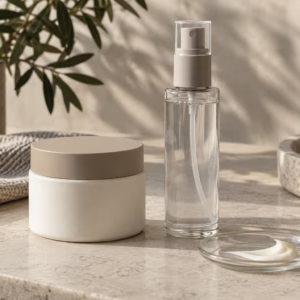
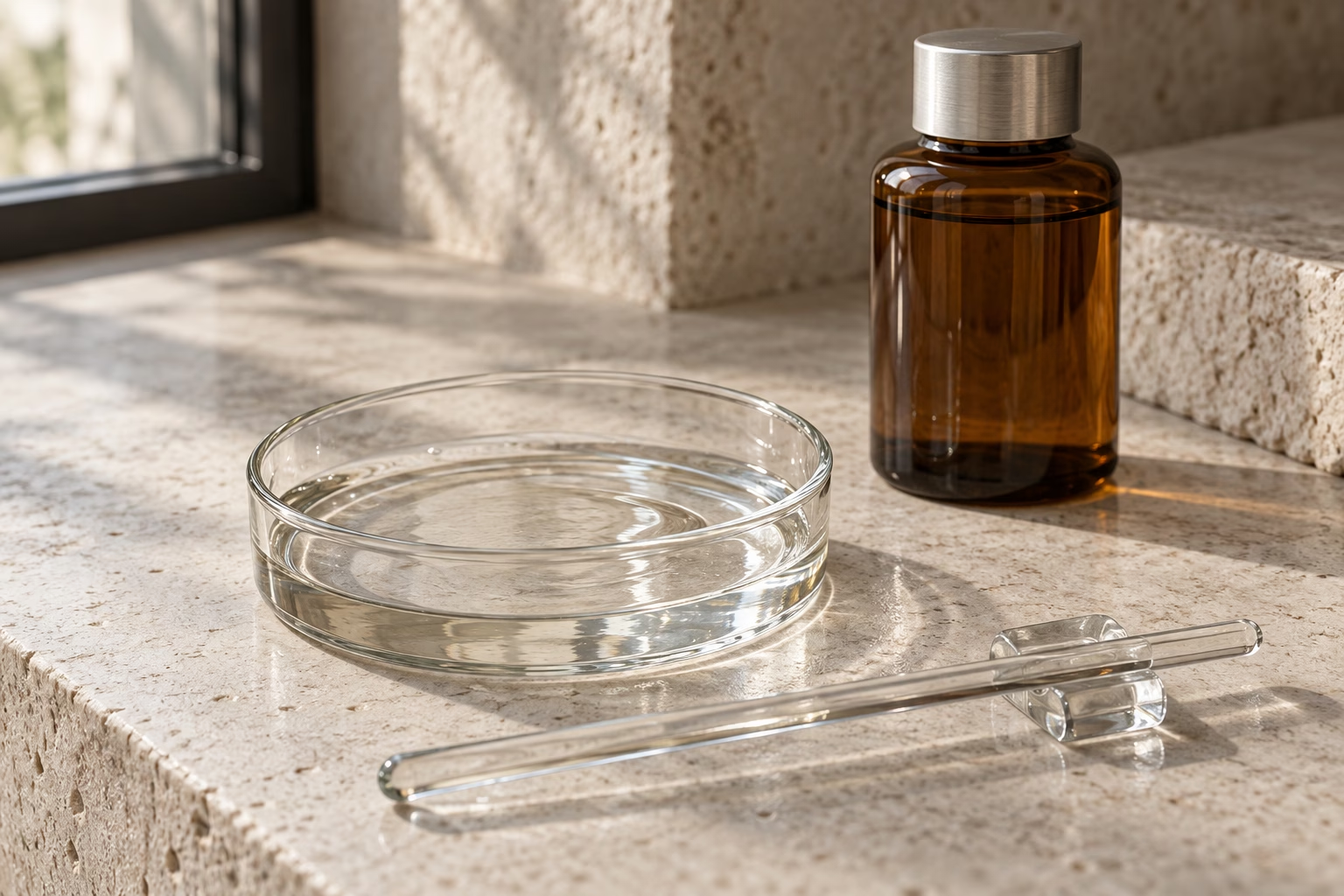
The three gallery visuals prepared for this product are original AI development illustrations of independent packaging and texture options. They do not show an actual GUOCUI formula, factory, team, completed QC, inventory, customer order or shipment. Any background greenery is decorative and does not identify an ingredient.
FAQ
How is the salicylic-acid level selected?
The ingredient identity and proposed level must be selected with the complete formula, safety assessment, use directions and destination-market requirements.
Can the product be positioned as a toner or a liquid exfoliant?
Either route can be discussed. The final name should match the formula, dose, use frequency, directions, caution language and buyer channel.
Why review clarity and crystallization?
A water-light sample may change over time or under different conditions. Formula and stability work should define the relevant observations and acceptance criteria before the product is approved.
How is public claim wording selected?
Public wording follows the final formula, safety and substantiation records, use directions and destination review. Treatment or unsupported efficacy language is not included.
What should a buyer send for a quote?
Send the market and channel, routine position, ingredient and claim boundary, preferred package, fill range, artwork languages, estimated quantity, sample timing and shipping destination.
Continue the Private Label Project
Review the GUOCUI product catalog, compare the Face category and Facial Toner category, see the existing PHA/BHA serum review route, salicylic-acid three-step set and emulsion toner route, use the facial-toner texture guide and precision-dispensing guide, read the Customization service, or send the brief through the Contact form.