Description
A two-in-one conditioning shampoo is a single rinse-off formula that combines hair cleansing with a conditioning-feel direction. The development question is how much slip and softness the buyer wants after rinsing, while keeping the wash experience suitable for the intended hair types. GUOCUI BIO TECH treats that balance as a sample comparison, not a result that follows automatically from a product name.
Bring the brief to the sample table first: intended customers, wash routine, target rinse feel, preferred closure and label market. Guangzhou Guocui Biological Technology Co., Ltd. can then discuss the Private Label / OEM / ODM / Custom Formula route, with formula and packaging feasibility subject to project review.
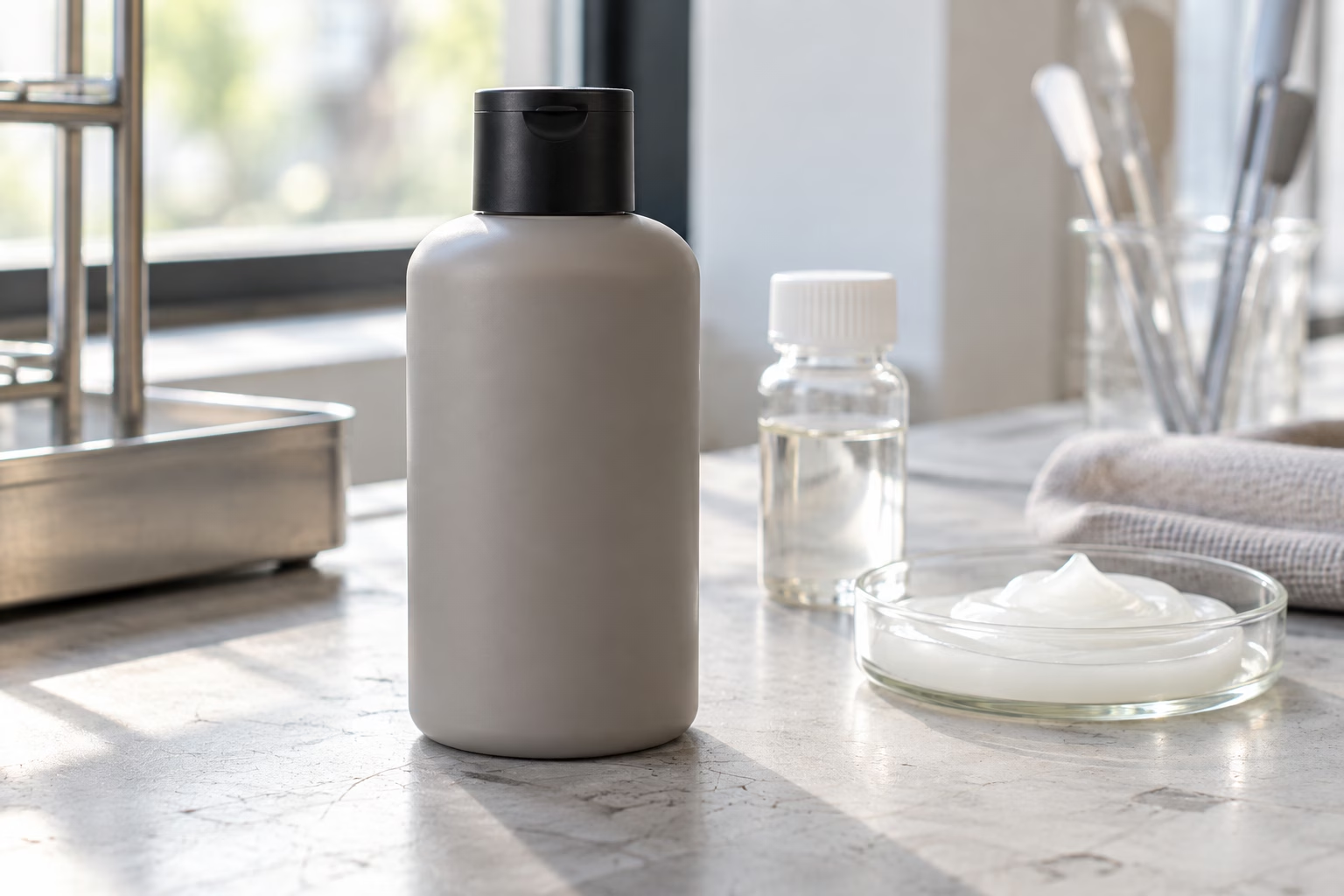
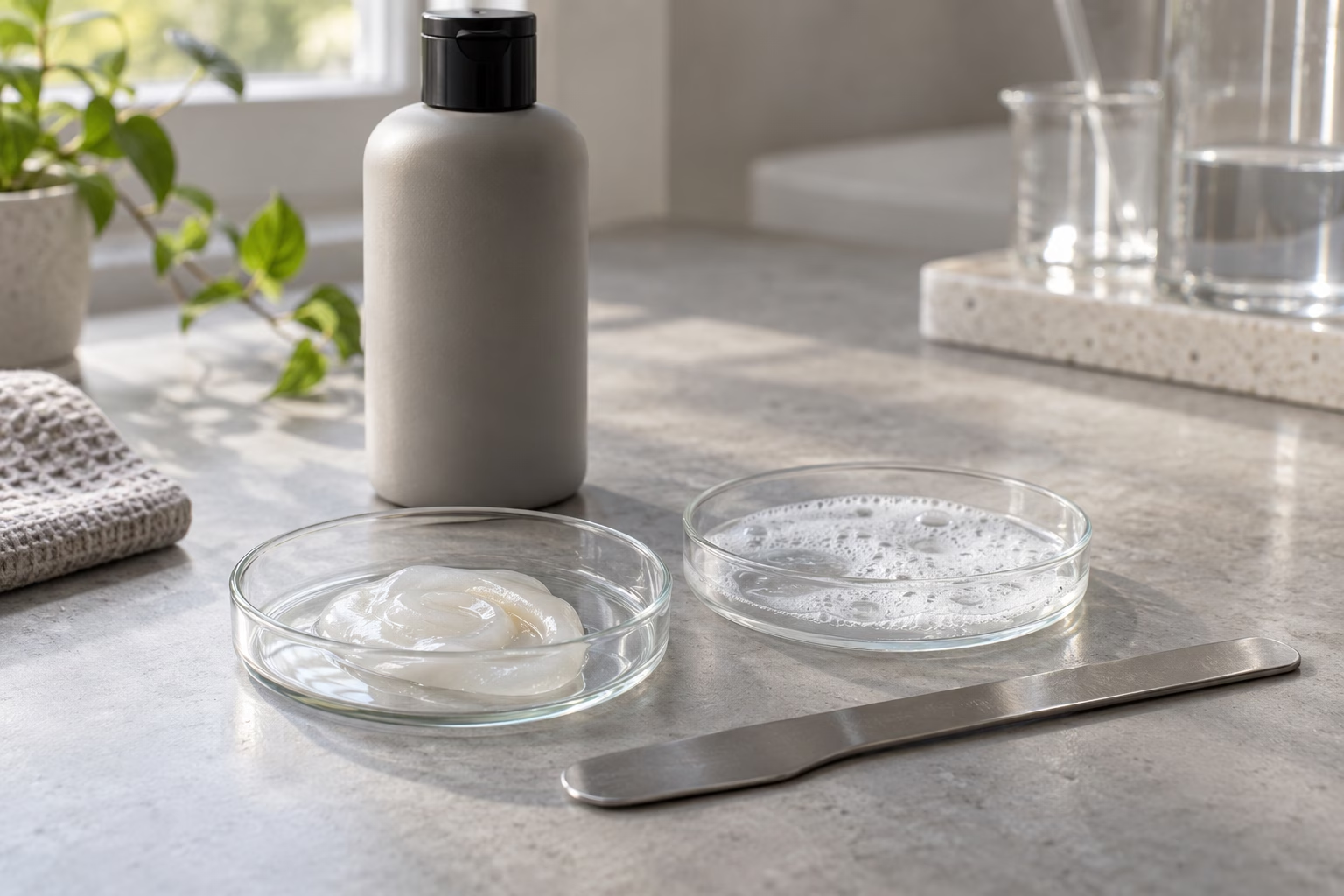
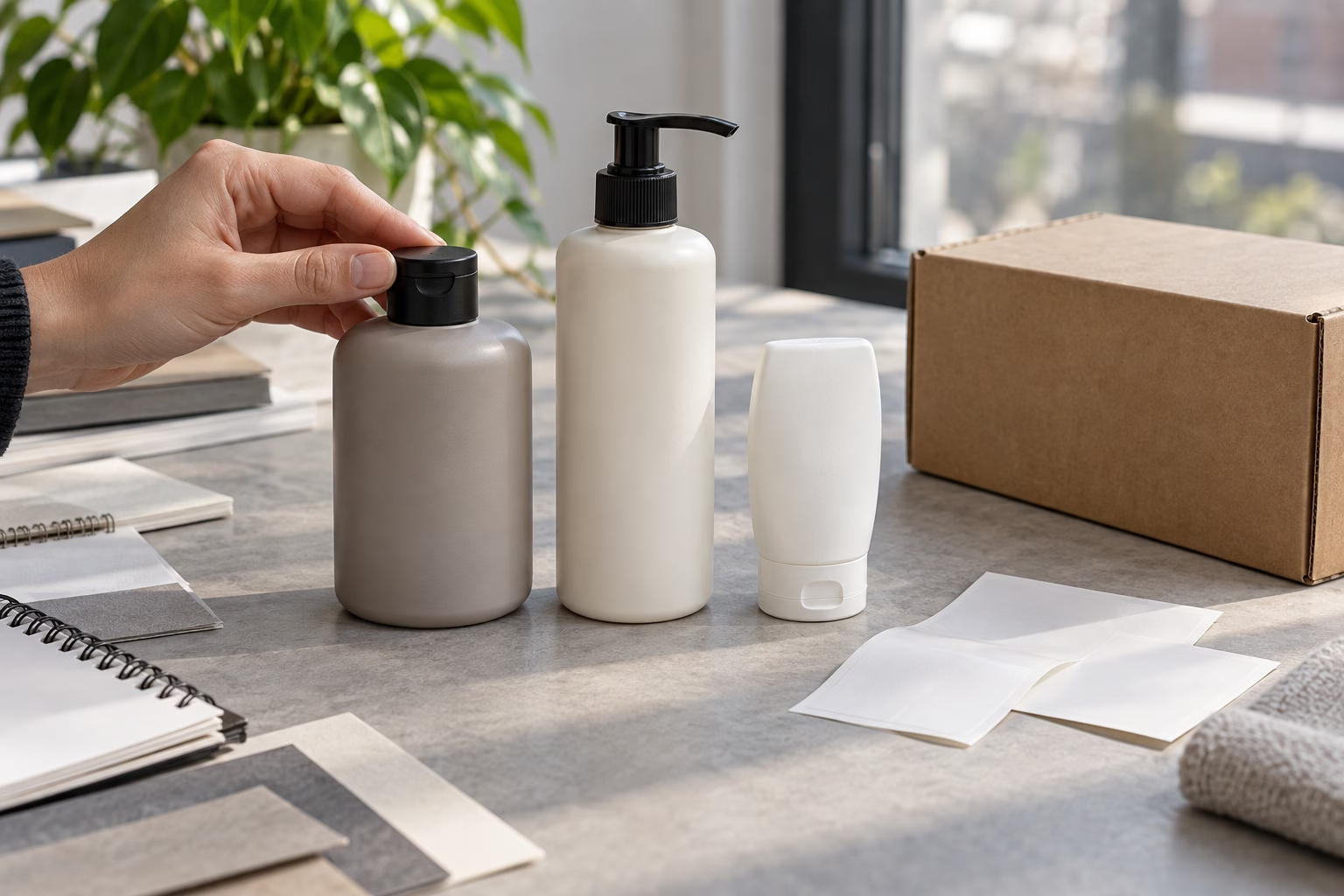
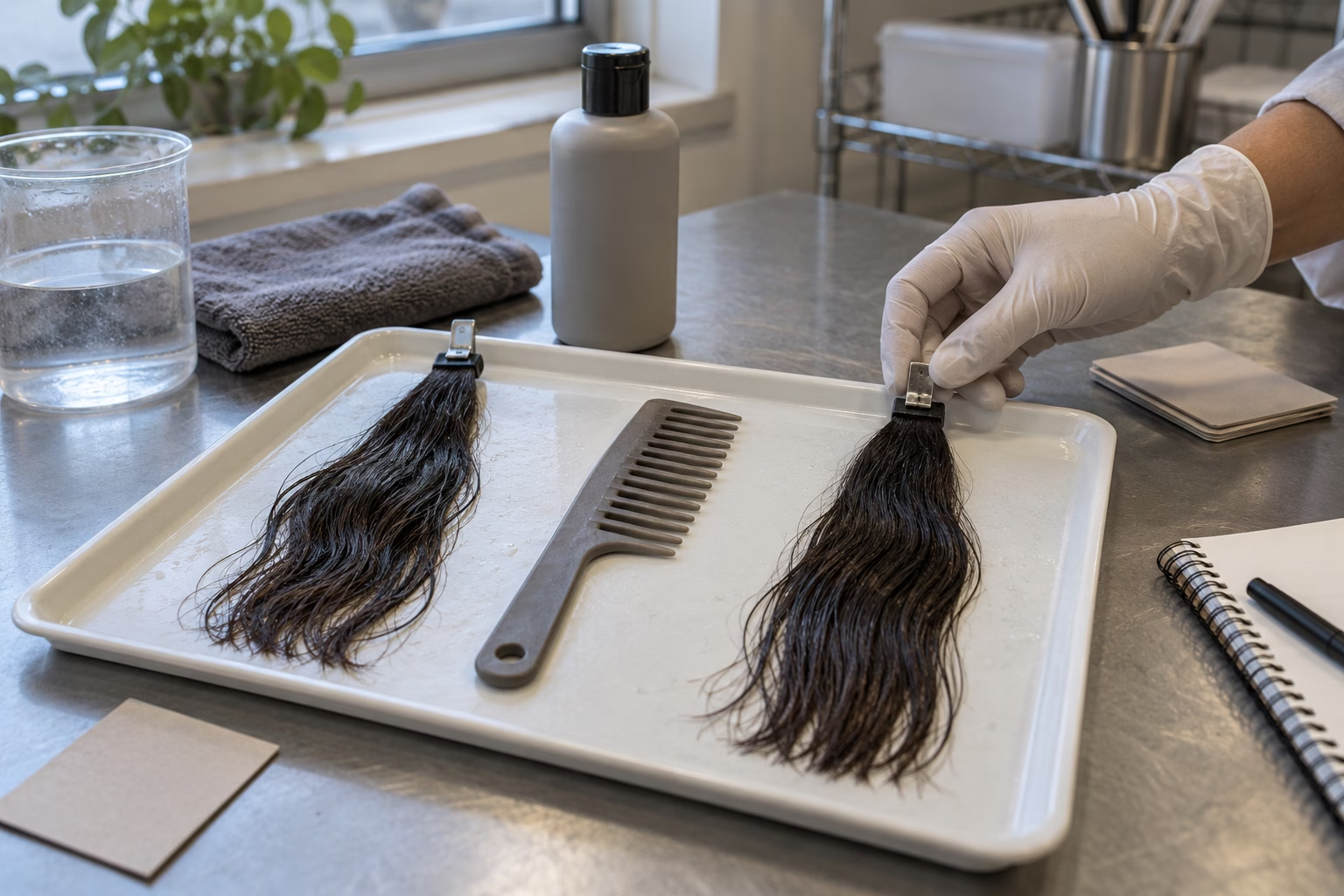
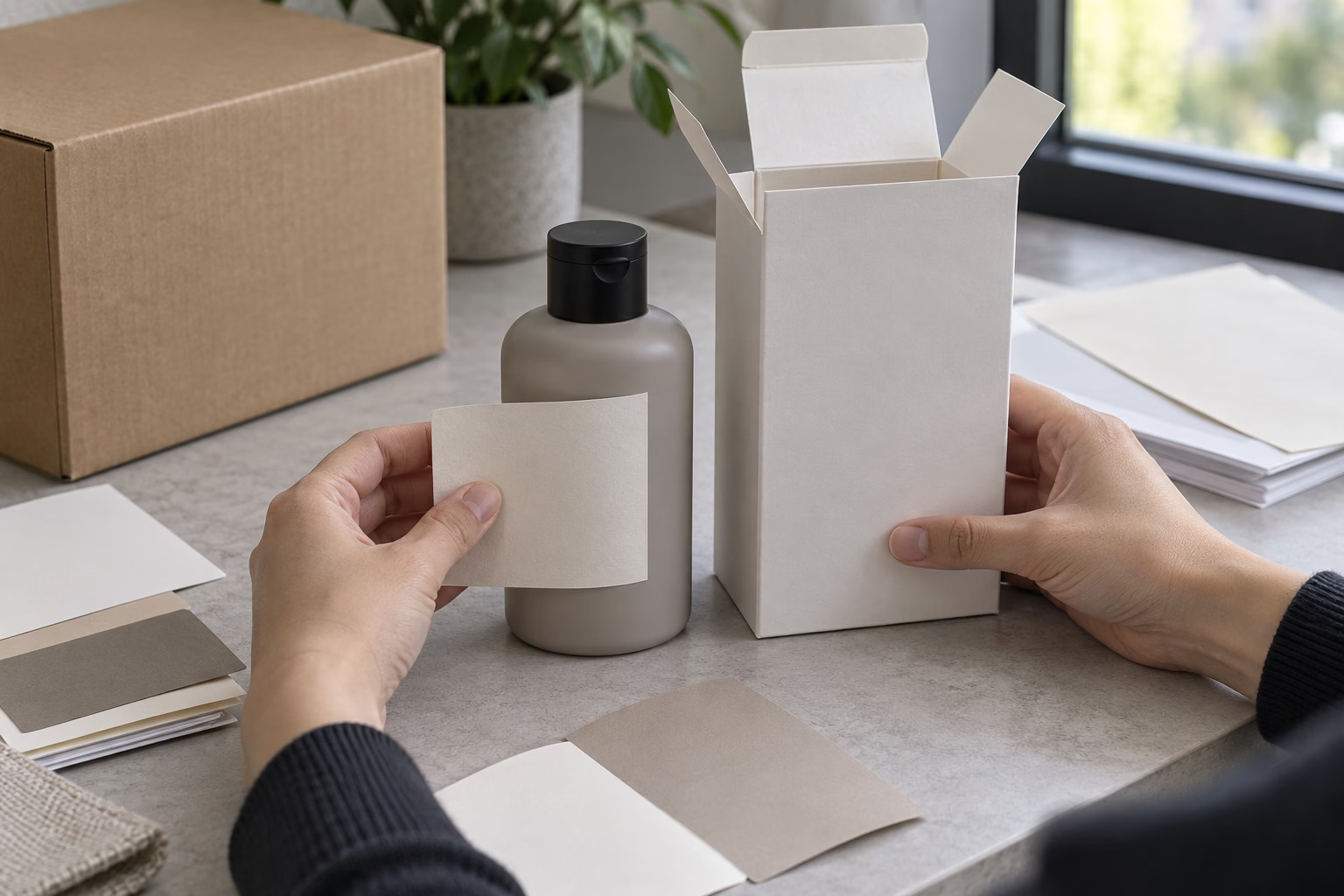
AI-generated development illustrations show proposed samples, packaging and review activities. They do not document actual GUOCUI premises, staff, an approved formula, completed QC or available inventory.
Who this single-bottle direction suits
This direction is for grooming brands, distributors, salon retail buyers and travel-range developers who want to assess a shorter hair-washing routine. Buyers should define the hair lengths, textures and styling habits they intend to serve. A daily-use positioning, a fragrance-led grooming line and a travel convenience range can require different sample priorities even when all three use the same format name.
The primary development term is two-in-one conditioning shampoo. Related buyer terms include private label shampoo, rinse-off hair care, conditioning-feel formula, shampoo packaging compatibility and salon retail hair care. These describe the project; they are not evidence of market growth or a promise that one sample suits every user.
Separate the format from nearby product routes
| Route | What the buyer approves | Main sample question |
|---|---|---|
| Two-in-one conditioning shampoo | One rinse-off formula and one dispensing system | Does the cleansing and conditioning-feel balance match the brief? |
| Shampoo and conditioner pair | Two formulas, two instructions and two packs | How do the two steps perform together? |
| Leave-in conditioning spray | A separate leave-on formula and spray system | How does the applied dose affect combing feel and residue? |
Choose a separate-bottle travel kit when independent formulas are central to the range. A two-in-one brief should not quietly become a shampoo plus conditioner bundle during artwork or quotation.
Custom formula and sensory decisions
Start with a cleansing-base direction, then compare conditioning polymer or other suitable conditioning-agent options with the formulator. Optional humectant, panthenol or botanical directions can be discussed after checking documentation, compatibility and the intended market. Ingredient names on an early brief do not confirm concentrations, a final ingredient list or performance.
Ask for samples that differ on a defined axis, such as lighter rinse feel versus more noticeable softness. Review foam character, spread through wet hair, rinse time, wet combing feel, dry feel and residue under an agreed evaluation routine. Record differences by sample code. Do not substitute an attractive appearance or strong fragrance for the comparison the buyer actually needs.
Texture and fragrance options
A clear, translucent or opaque appearance may be explored if compatible with the selected formula. Flow, pour control and pump output matter more than a texture label alone. An overly fluid sample can be inconvenient in a wide-opening cap, while a thicker sample needs a suitable dispenser. Confirm the product in its intended package.
Fragrance-free development or a restrained citrus, herbal or woody scent direction can be discussed. Request fragrance documentation and destination-market review before approving label language. A sensory citrus direction does not establish an essential-oil ingredient, geographic origin or suitability claim. Keep the approved sample code and fragrance version together in the project record.
Bottles, closures, volume and label choices
Consider a conventional bottle with a flip-top or dispensing pump. Compare a retail size, a travel size or a professional size only after the buyer describes use, channel and shipment requirements. Capacity, bottle material, wall construction, closure and decoration are quotation variables; illustrated packs are proposals, not confirmed stock components.
Custom LOGO, label layout, bottle color, an outer carton and coordinated range artwork can be reviewed. Leave enough space for the approved ingredient list, directions, warnings, batch marking and required local information. Check label adhesion and legibility on the filled pack, including handling in a wet environment. A refill route requires its own transfer, closure and compatibility assessment.
Sample review and planned quality checks
Keep formula samples and package samples traceable. The buyer and project team should agree which sample code, dispenser, label version and acceptance points are being evaluated. Review appearance, odor, flow, dispensing, closure fit and leakage risk, alongside the relevant stability, microbiological and packaging-compatibility work required for the final product and market.
At the sample table, photograph the proposed assembly, note how the closure opens and record any residue after dispensing. If a formula, fragrance, pack material or closure changes, decide which checks need repeating. Before a production plan is confirmed, resolve the open items on the approval record. The illustrations show this proposed workflow; they are not test results.
MOQ, quotation and timing
MOQ and quotation can be confirmed after formula, packaging, and order plan review. Useful quote inputs include the selected formula route, order quantity range, bottle and closure, decoration, label languages, carton plan and shipping destination. A change to any of those inputs can change the quotation.
Sample and production timelines can be confirmed after formula and packaging review. Allow the plan to include sample comments, component availability, artwork checks and the agreed approval steps. Avoid promising a launch date before the formula, packaging and buyer decisions are aligned. Ask which items must be confirmed before the next stage can start.
Factory-side coordination and buyer handoff
GUOCUI’s discussion should connect the buyer brief with formula review, component choices, sample comments and packaging preparation. One named version of the brief helps the commercial and technical teams work from the same decisions. Multilingual label layouts and export-document needs can be discussed for the destination; the final requirements and responsibilities need project-specific confirmation.
For a useful first inquiry, send the target market and sales channel, intended hair types, desired wash and rinse feel, fragrance direction, packaging reference, capacity preference, order quantity range, artwork status and sample timing. Flag any claims or ingredients that the project must avoid. An original packaging reference communicates function and dimensions without requiring another brand’s design to be copied.
FAQ
Is this shampoo and conditioner in separate bottles?
No. This direction evaluates cleansing and conditioning feel in one rinse-off formula. A two-bottle set is a separate development route with its own samples, instructions and packaging.
Can buyers choose how much conditioning feel they want?
That preference belongs in the brief. Compare coded samples under an agreed routine and confirm feasibility with the formulator; the product title alone does not determine the final balance.
Does the concept require a specific botanical or scent?
No specific botanical, scent or origin is fixed. Optional ingredient and fragrance directions require documentation, compatibility and target-market review before the formula and label are approved.
Can one formula support both retail and travel packaging?
It can be assessed as a project option. Each proposed pack still needs dispensing, closure, leakage and compatibility review; a smaller bottle is not automatically an approved substitute.
What should be settled before a quotation is confirmed?
Align the formula route, pack assembly, quantity, decoration, label requirements and shipping plan. Identify remaining sample or artwork decisions so the quotation reflects a clearly defined scope.
Discuss a two-in-one hair-care brief
Buyer takeaway: approve the single-formula wash experience and its actual dispenser together. A clear sample record is more useful than adding more claims to the label.
Browse GUOCUI products and Hair Care, review customization options and the set architecture buyer guide, then send GUOCUI your shampoo project brief.


