Description
Start with the Hair Sample and the Rinse Step
A private label rinse-off conditioning hair mask is a separately developed cream for a post-shampoo hair-care step, followed by rinsing. GUOCUI BIO TECH treats softness, combing feel, rinse effort and dry finish as sample questions. They are targets to assess with the selected formula, hair samples and method, rather than results guaranteed by the word “mask.”
Bring the project to the sample table with a clear brief: the intended adult hair-care customer, existing wash routine, desired finish and package idea. Guangzhou Guocui Biological Technology Co., Ltd. can coordinate Private Label / OEM / ODM / Custom Formula discussions across formula, packaging, artwork and export requirements. Feasibility and the actual supply scope need project review.
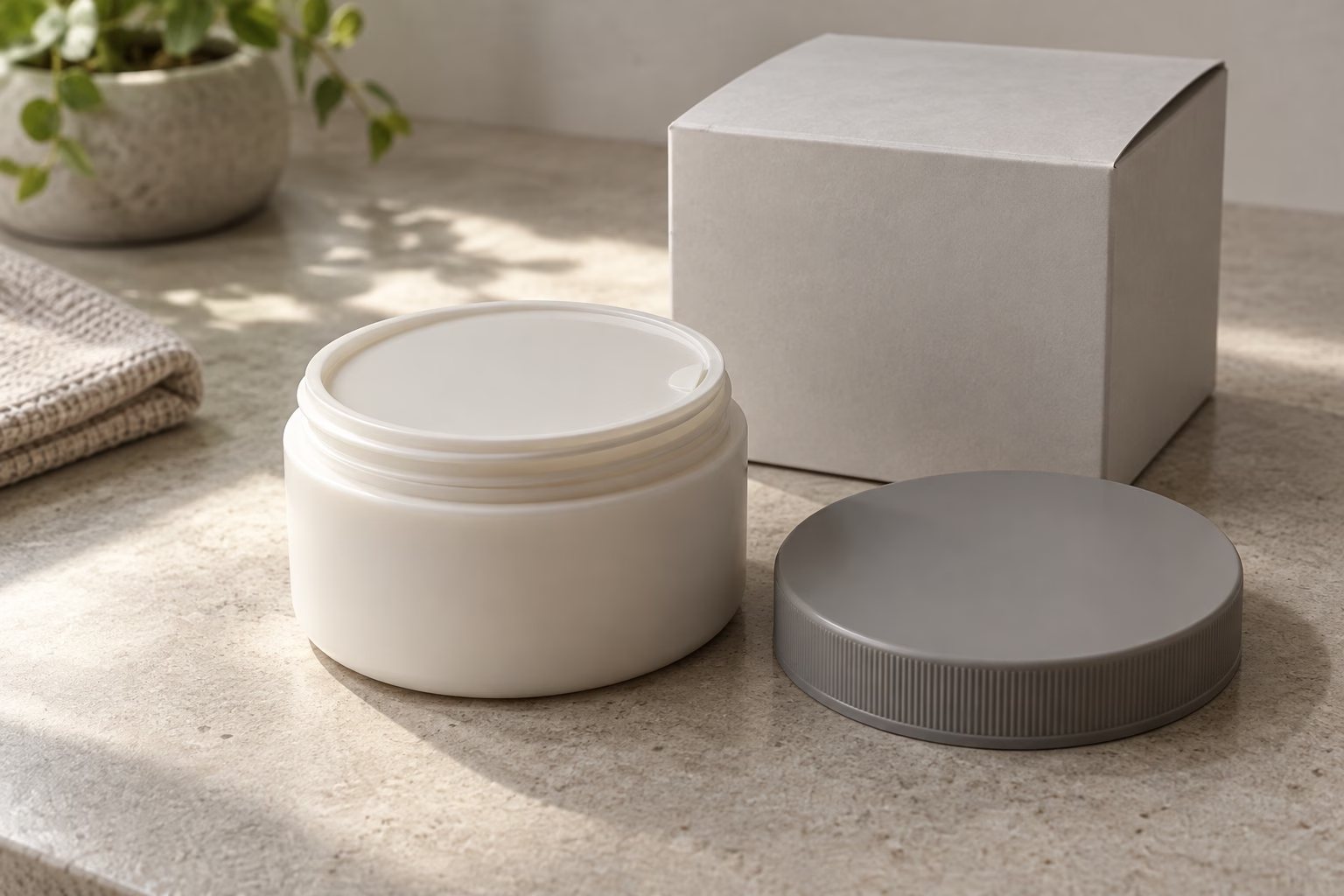
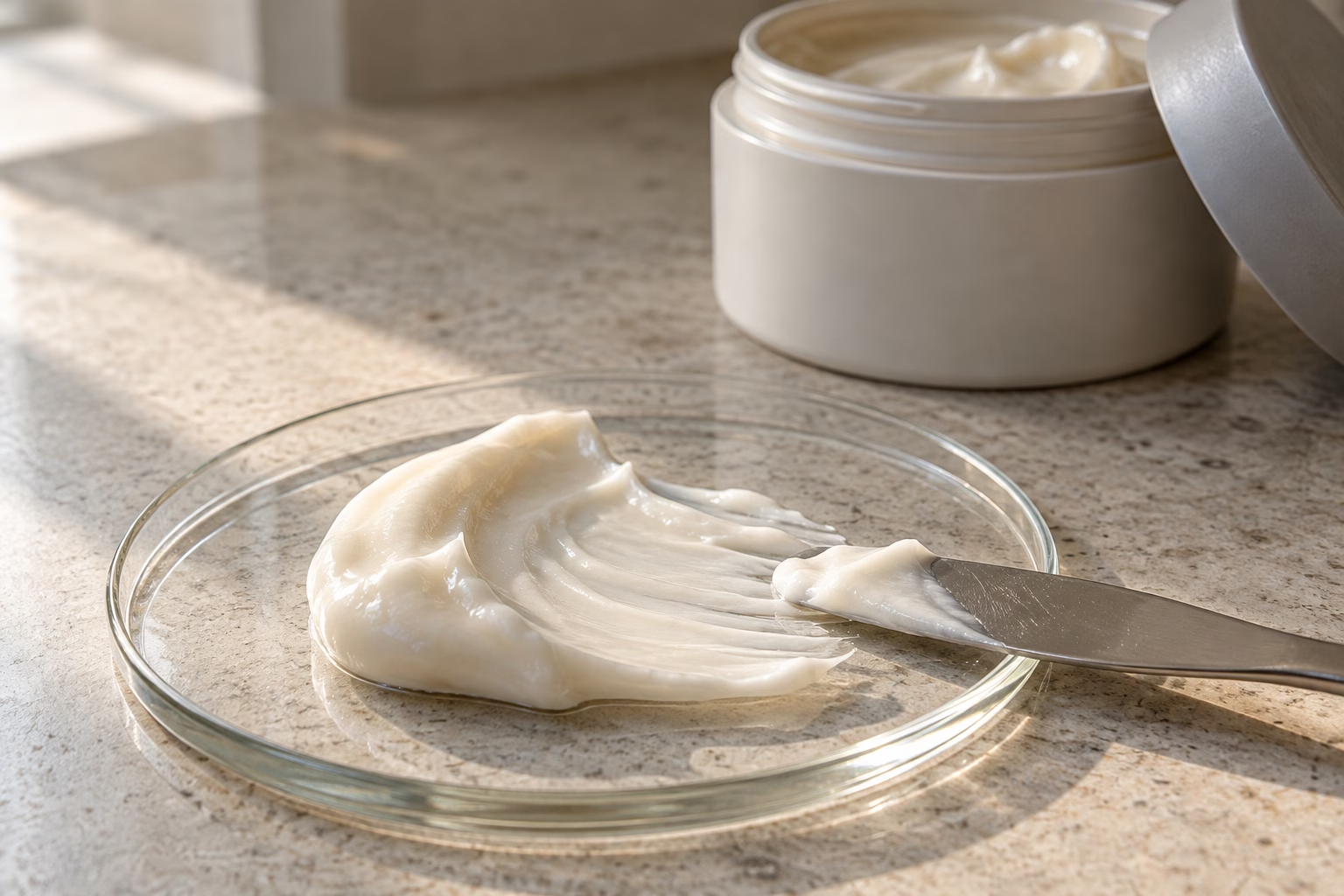
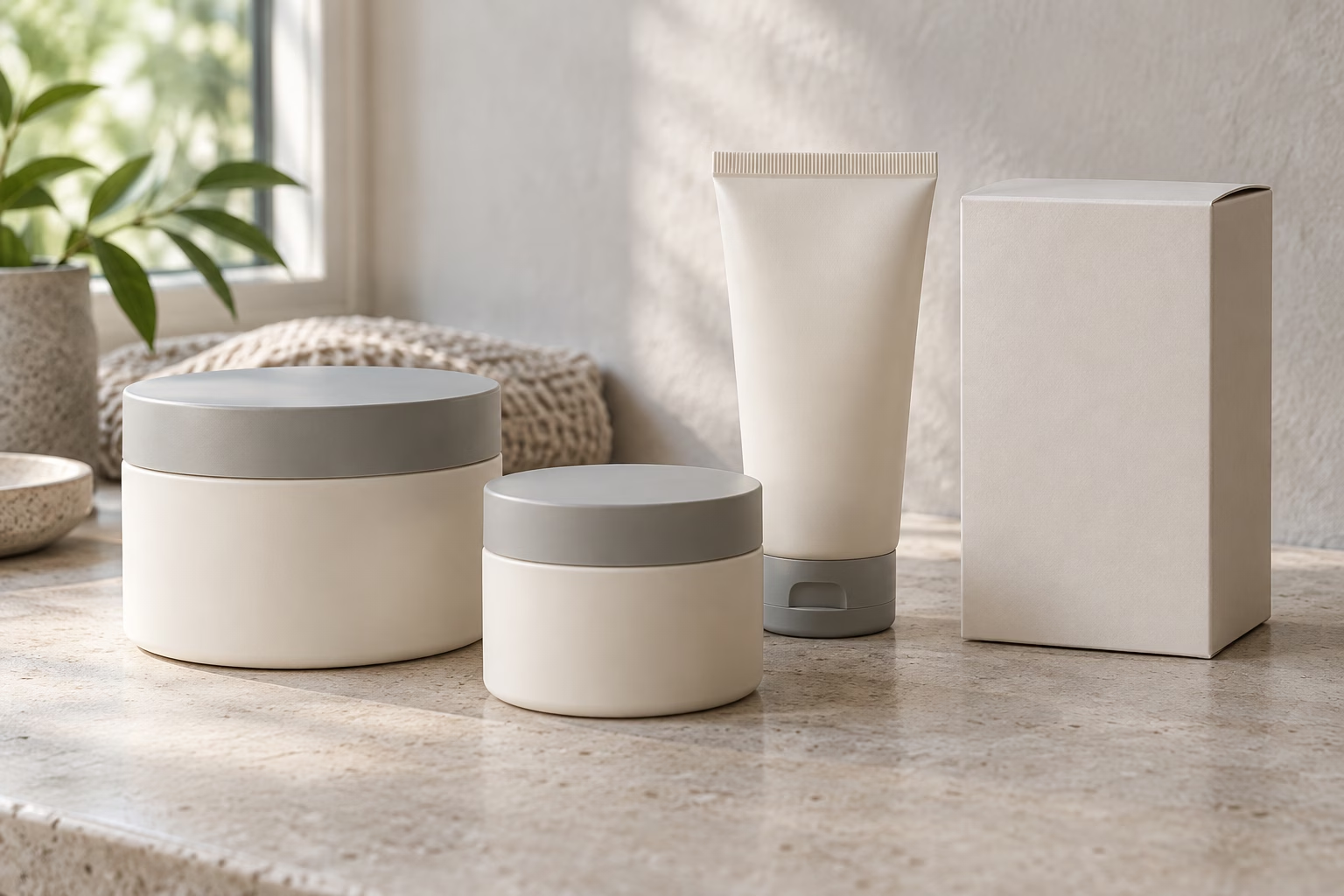
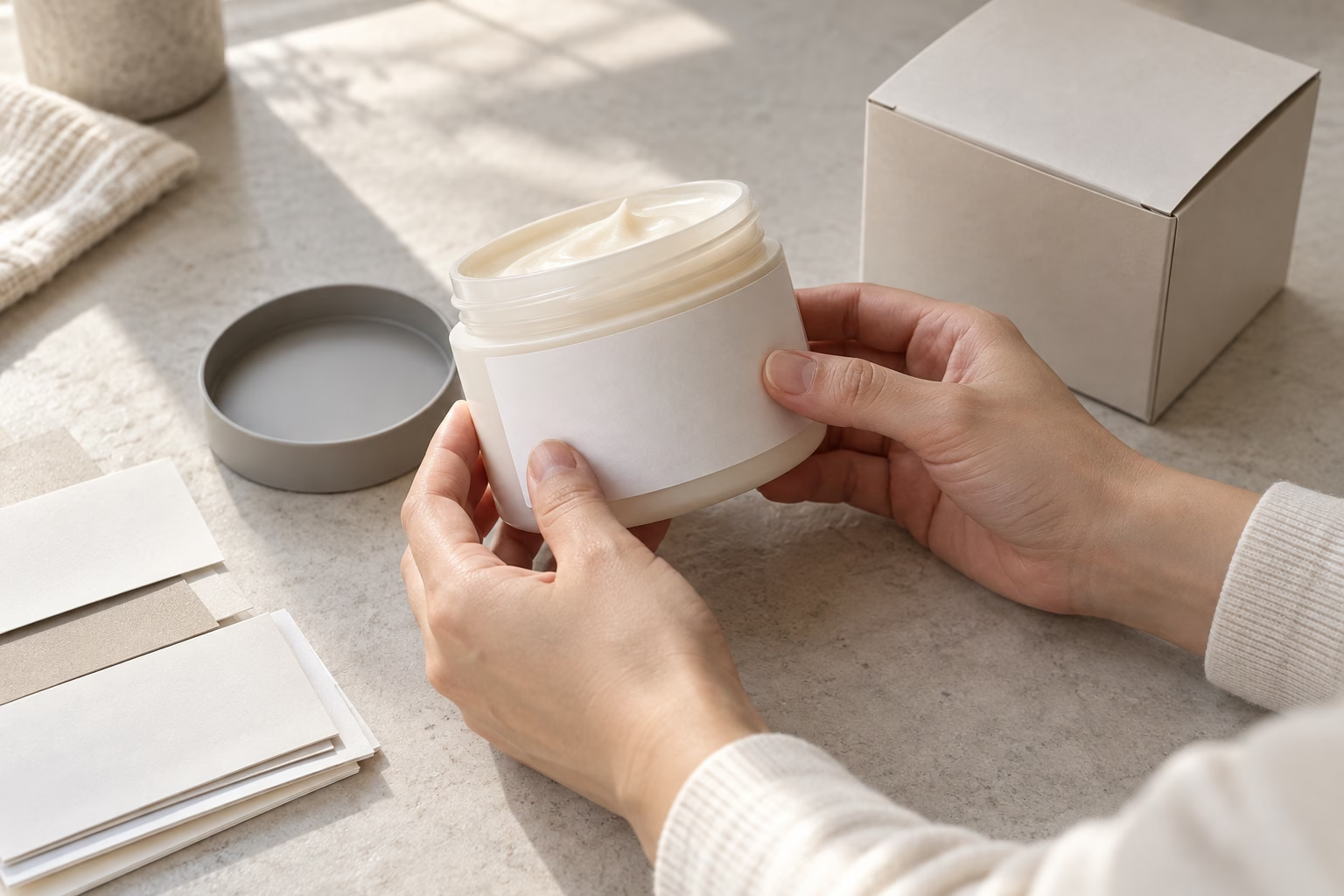
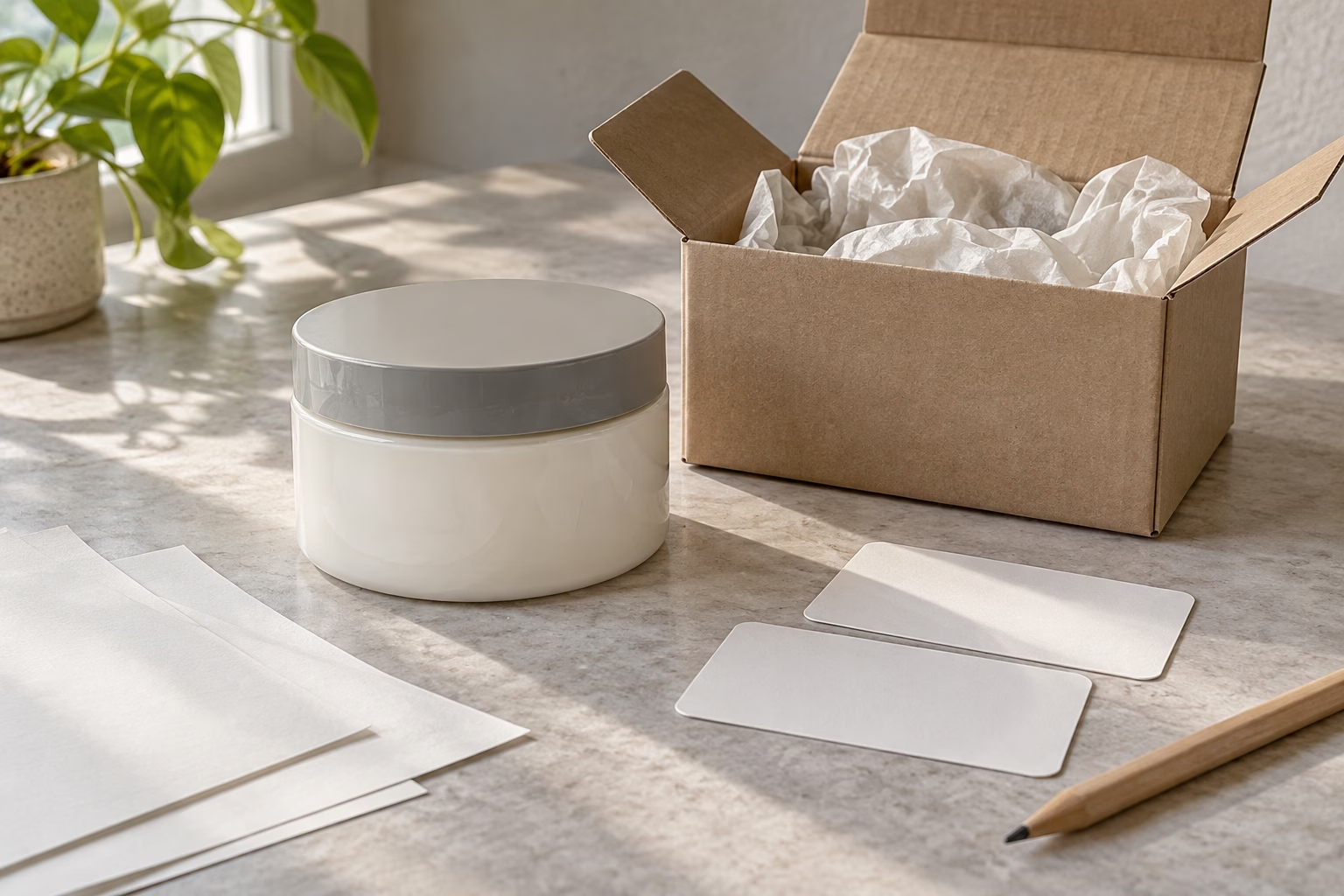
Image disclosure: the images are AI-generated development illustrations of hypothetical samples, packaging and review activities. They do not document GUOCUI premises, employees, an approved formula, actual hair testing, completed QC, inventory, capacity or shipment.
Positioning and Suitable Buyer Channels
This direction suits hair-care brands, salon retail teams, distributors and online beauty sellers assessing a separate conditioning product. A buyer may want a lighter finish for one range or a more cushioned cream for another. Define the intended hair lengths, textures, styling routines and color-treatment context before selecting the sample comparison. One formula should not be assumed suitable for every hair type or use area.
The primary development term is rinse-off hair mask private label. Supporting buyer terms are conditioning hair mask OEM, custom formula hair care, hair tress sample review, jar packaging compatibility and salon private label. These terms describe the project. Search volume, sales momentum and demand for a particular formula remain unverified.
Keep the Product Role Clear
A separate mask has its own formula identity, instructions and package. The two-in-one conditioning shampoo combines cleansing and conditioning-feel decisions inside one wash product. A leave-in conditioning spray uses a different application and dispensing route. A mask should be reviewed as its own rinse-off step before pairing it with either.
The illustrated concept uses an ordinary wide-mouth jar, separate scoop and smooth cream. No capsule structure, proprietary protein blend, chemical straightening, bond-repair technology or heat-activated process is specified. The buyer and technical reviewer should agree the intended hair application and final directions. The default brief is limited to cosmetic conditioning and sensory assessment.
Formula, Texture and Fragrance Choices
Formula discussion can begin with a conventional conditioning emulsion. The formulator can assess suitable conditioning agents, fatty alcohols, emollients and humectant options against the desired finish and destination requirements. Panthenol or a documented botanical direction can be considered if relevant. Ingredient preferences do not establish a final INCI list, concentration, raw-material availability or approved claim.
Compare samples on a defined difference, such as lighter rinse feel versus a richer cream. Observe scoopability, distribution through the prepared hair sample, rinse effort, wet combing feel, dry feel and visible residue. Record the sample code beside every observation. A smooth cream swatch or attractive fragrance does not demonstrate hair performance.
A fragrance-free development preference and an independently selected light-fragrance version can be discussed separately. Fragrance documents, formula compatibility and label wording require review for the intended market. Silicone-free, vegan, sensitive-scalp or suitability claims need their own composition and evidence checks; they do not follow from this concept page.
Jar, Capacity and Alternative Pack Options
The initial pack discussion is a conventional screw-top jar and separate scoop. Review mouth width, grip, lid engagement, seal or liner proposal, cream removal and rim residue. Include wet-hand handling and humid storage in the packaging brief. The scoop is an option to assess, not a guarantee against contamination.
Retail, professional and trial capacities are quotation variables. A squeeze tube can be assessed as a separate route when the cream can dispense reliably through the proposed outlet. Each material, closure, liner and fill combination needs its own compatibility and filled-pack review. A jar result does not approve the same formula in a tube, refill pouch or pump.
Custom Logo, Labels, Cartons and Range Planning
Discuss authorized LOGO placement, original colors, label material, multilingual copy, an outer carton and a coordinated shampoo-and-mask range. Keep the mask identity and rinse-off directions readable even when products share a visual family. Leave space for the approved ingredient list, cautions, batch marking and destination-specific information.
Artwork approval should follow the selected formula and component versions. Check label fit and legibility on the filled jar, including the curved surface and closure area. Do not transfer a source brand’s pack proportions, metallic finish, botanical graphics, signature colors or repair terminology. The neutral illustrations are planning examples, not a finished brand design.
Sample Review and Factory Coordination
A useful sample record connects formula code, hair-sample identity, preparation, amount, application and rinse method, drying conditions and assessment time. The technical reviewer should determine the appropriate comparison and acceptance criteria. Keep untreated or other agreed references clearly identified. Controlled observations are more useful than an unqualified “salon result” description.
The practical value of factory coordination is keeping changes connected. A richer texture may alter jar removal, rinse feel and filling behavior; a fragrance change can reopen compatibility and labeling questions. Formula colleagues, component suppliers and the export team need the same revision record. Actual samples, documents and project photographs can support later decisions when available.
Quality, Packing and Release Questions
Before bulk planning, define the required formula specifications, applicable safety and microbiological work, stability and component compatibility checks. Assign responsibility for incoming materials, filling, closure application, batch identification, artwork accuracy and finished-pack inspection. Include carton fit, jar protection and the shipping configuration in the review.
These are activities to arrange for the accepted project, not completed test results. The final release decision should refer to the agreed sample and documents. No certification, production scale, stock status, finished-product effect or export approval is implied by an image of a sample table.
MOQ, Quotation and Sample Timing
MOQ and quotation can be confirmed after formula, packaging, and order plan review. Quotation depends on formula, pack material, capacity, closure, quantity, decoration, label languages, carton, required checks and shipping plan. Ask which costs and components are included so that a standard jar proposal can be compared fairly with a custom component.
Sample and production timelines can be confirmed after formula and packaging review. Allow for formula discussion, sample feedback, filled-pack work, artwork approval and the agreed production route. Share the launch window early; unresolved technical or component decisions should remain visible before a date is promised.
Prepare a Hair Mask Inquiry
Send the target country, channel, intended routine, texture and finish preferences, ingredient exclusions, fragrance route, pack idea, capacity, quantity range, label languages and launch window. Review the Products catalog, Hair Care category, Customization service and Skincare Industry Trends center. The set architecture buyer guide helps plan a later range extension.
Read the dated hair-mask launch and sample-decision brief before preparing the project.
FAQ
Is this a shampoo or a leave-in product?
This is a separate post-shampoo, rinse-off conditioning cream development direction. Cleansing performance and leave-in use are not implied. The accepted formula and intended-use review determine final instructions.
Can we choose a lighter finish and fragrance-free direction?
Yes, include both preferences in the brief. Formula feasibility, sample results, fragrance information, package compatibility and destination requirements need review before confirmation.
What performance claims does this concept establish?
This concept establishes no finished-product effect or proprietary technology. Cosmetic conditioning and sensory wording must be tied to applicable finished-product evidence.
Can the same cream use a jar and a tube?
Both can be evaluated, but each filled-pack system needs separate dispensing, closure and compatibility review. Capacity or a shared formula name does not approve an alternative pack.
What is required before quotation and production planning?
Align the formula route, intended use, component, capacity, quantity, artwork, documents, required checks and shipping plan. MOQ, price and timelines remain project-specific.


