
Description
A Dual-Phase Body Brief Starts with Phase Behaviour
A dual-phase body serum OEM project combines a water-containing phase and an emollient phase that remain visibly separate at rest and redisperse after shaking. GUOCUI BIO TECH / Guangzhou Guocui Biological Technology Co., Ltd. can discuss this as a private-label post-shower body-care direction, with the formula, dispenser and filled package reviewed as one system before a buyer approves artwork or production planning.
The development goal is a controlled shake-to-mix routine and a comfortable body finish. The visible layers do not prove hydration, stability, preservation or dispensing consistency. The final formula, phase ratio, colour, fragrance, capacity, instructions and claims follow the buyer brief, sample results and destination-market review.
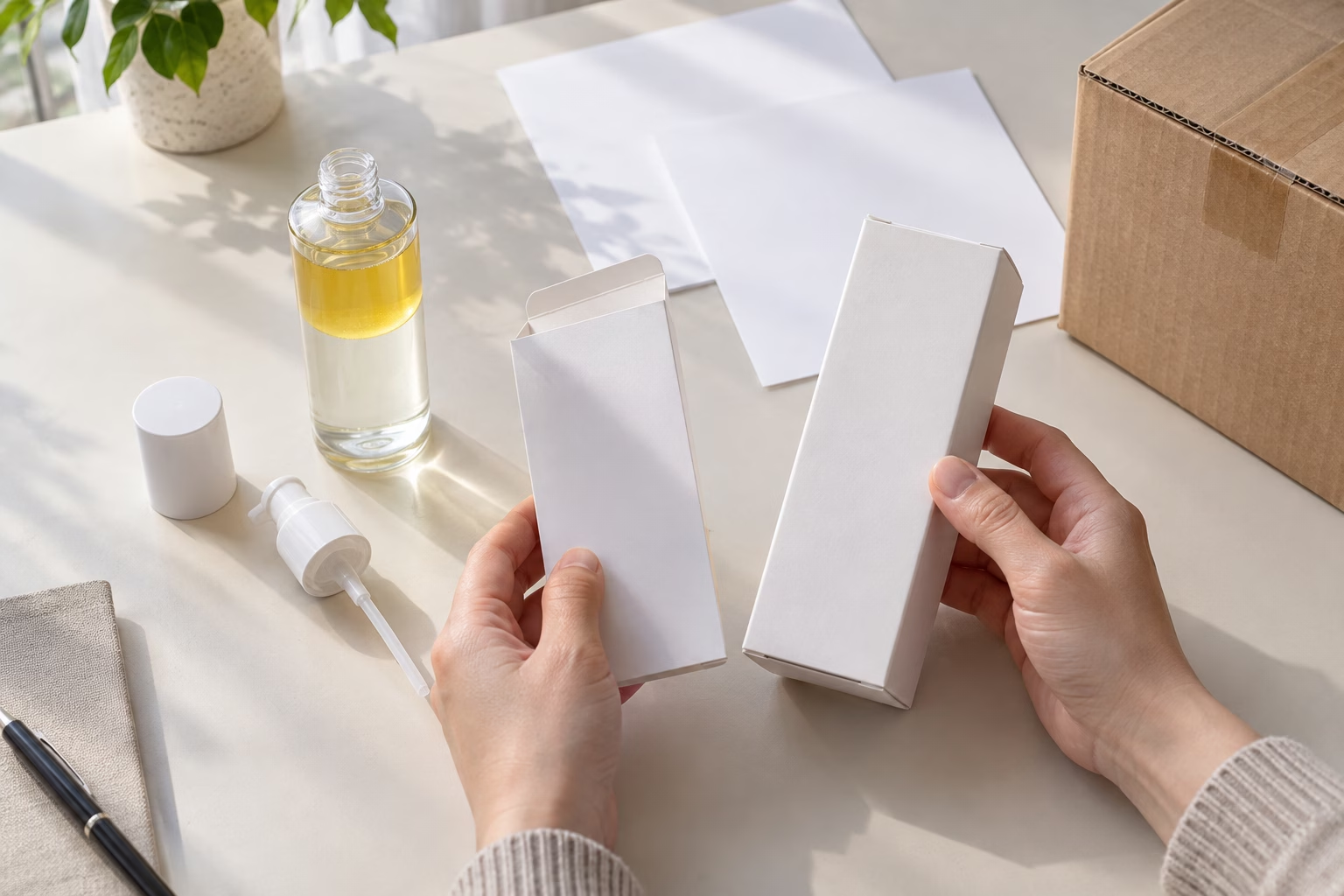
Image note: the images for this page are AI-generated development illustrations. They do not show a finished GUOCUI product, a production batch, factory activity, laboratory testing or completed quality-control work.
Suitable Buyers, Channels and Use Settings
This direction may suit body-care brands, spa and salon retail teams, distributors, gift-set planners and ecommerce sellers looking for a lighter post-shower step than a conventional massage oil. The useful starting point is a specific use setting: applying to towel-dried body skin, adding a controlled emollient finish after bathing, or building a body-care set beside a wash and lotion.
The concept is for cosmetic body care. Face, scalp, hair, intimate-area and broken-skin use require separate formula, exposure and label review and are not included automatically. A multi-use claim should never be added only because one ingredient can appear in several product categories.
Define the Two Phases Without Copying a Retail Formula
The buyer can compare an unscented or low-fragrance route with a buyer-owned scent brief. The water-containing phase may be developed around a simple humectant-led comfort direction, while the emollient phase may compare selected cosmetic oils or esters for spread and after-feel. Exact ingredients and levels must be selected from the buyer’s requirements and the qualified formula review; a public reference product’s ratio, botanical story, colour, ingredient list and performance language are excluded.
Colour should serve formula control and brand identity rather than imitate another product. A clear or lightly tinted concept can make separation easy to inspect, but colour and transparency can introduce light-stability and appearance questions. A neutral opaque option may be useful when formula protection matters more than showing the layers.

Phase Return, Remixing and Dose Consistency
A dual-phase sample needs more than an attractive first shake. Record the resting appearance, time to visible phase return, the number and method of shakes used in the agreed protocol, and whether the mixed appearance remains consistent long enough for dispensing. Compare the top, middle and lower portions of retained samples rather than assuming every dose has the same composition.
| Decision area | What to record before approval |
|---|---|
| Resting phases | Layer boundary, sediment, droplets, colour, odour and changes during the agreed observation plan. |
| Shake-to-mix behaviour | Defined shake method, remix appearance, foam or air intake and repeatability across cycles. |
| Dispensed dose | Output mass or volume, dripping, spray or stream quality, residue and dose-to-dose variation. |
| Return after use | Separation pattern, material at the closure, nozzle blockage and any change from the retained reference. |

Water-Phase Preservation and Formula Safety
Because this direction contains water, preservation and microbiological protection are core development questions. Ingredient documentation, water quality, manufacturing controls, package protection, storage and intended consumer handling all belong in the review. A fast return to two clean-looking layers does not establish protection, and an oil-rich appearance does not make the whole product anhydrous.
The sample plan should identify the information and testing needed for the actual formula and target market. Stability, compatibility, safety substantiation and any microbiological work must use the selected ingredients and filled pack. No test result, shelf life, temperature limit or suitability statement is established by this catalogue direction.
Choose the Dispenser with the Formula
An ordinary disc-top or flip-top, a controlled-pour reducer, a treatment pump or another standard non-pressurised closure may be compared after viscosity and remix behaviour are understood. Each option is conditional on the formula and pack review. The component must handle both phases, release an appropriate amount and close without trapping excessive residue. A clear bottle may support visual instructions, while a protected bottle or viewing window may suit a light-sensitive route.
Review bottle material, gasket and dip-tube compatibility, closure torque, leakage, orientation, headspace and recovery after handling. Transport simulation should use the actual filled pack and intended carton. A dry empty-component check cannot establish filled-pack performance.

Sample Approval and QC Communication
Keep the formula code, component code, fill quantity and artwork version connected in the approval record. Photograph the resting sample under consistent lighting, record the defined shake method and retain observations for dispensing, leakage, odour, colour and phase return. If a formula or closure changes, identify which observations need to be repeated instead of treating the revision as equivalent.
These are proposed review points rather than claims that GUOCUI has completed a specific test. The buyer, formula team, packaging supplier and qualified assessor should agree the evidence required for the destination market before final label approval and bulk planning.
MOQ, Quotation and Timing
MOQ and quotation can be confirmed after formula, packaging and order-plan review. Cost variables include the phase system, ingredient restrictions, fragrance, bottle and closure, capacity, decoration, carton, quantity split, requested documentation, testing route and shipping plan. A standard component alternative can help the buyer compare complexity before committing to a custom package.
Sample and production timing can be confirmed after the formula route and selected package are reviewed. Phase adjustments, component sourcing, filled-pack observations, artwork approval and destination-market documents can affect the sequence.
What to Send with Your Inquiry
- Target market, sales channel and intended body-care use setting.
- Preferred finish, fragrance direction, ingredient restrictions and phase-visibility preference.
- Bottle, closure, approximate capacity, decoration and label-language needs.
- Quantity range, set configuration, sample priorities and planned launch window.
- Requested claims, documents and filled-pack checks that require review.

Frequently Asked Questions
Is this the same as a single-phase body oil?
No. This direction contains a water phase and an emollient phase designed to separate at rest and remix after shaking. Preservation, phase behaviour and dispensing therefore need their own review.
Does a visible two-layer bottle prove the formula is stable?
No. Appearance is one observation. Stability and suitability depend on the actual formula, package, storage plan and supporting assessment.
Can the product use a custom phase ratio?
A buyer-owned ratio can be explored, but it should follow the target feel, remix behaviour, dose consistency, preservation route and package testing rather than a retail reference.
Can GUOCUI confirm a fixed MOQ or lead time now?
Commercial terms follow review of the formula, package, quantity, decoration, testing needs and shipping plan.
What should be approved before artwork?
Approve the intended use, formula route, phase observations, dispenser, capacity, label space and unresolved evidence needs before final artwork is locked.
Continue Your Body-Care Project
Browse Products, the Body Care category and Customization. Review the dual-phase filled-pack guide, then send your product brief.
Pause-and-Resume Dispensing: Keep Each Output Connected to Its Bottle
A dual-phase body serum OEM brief needs an observation plan for the moment after the shake, the pause between applications and the next output. A bottle may look mixed while material retained in the closure follows a different history. This is a development question for the selected formula and filled package. GUOCUI can discuss the sample brief; this page does not establish an approved formula, measured phase composition or completed test.
Start with an ordinary cylindrical bottle and a standard non-pressurised closure. A neutral transparent sample can make the layers visible; a protected package remains an option after formula review. The comparison should serve an adult body-care routine for brand, salon, spa or distributor buyers.
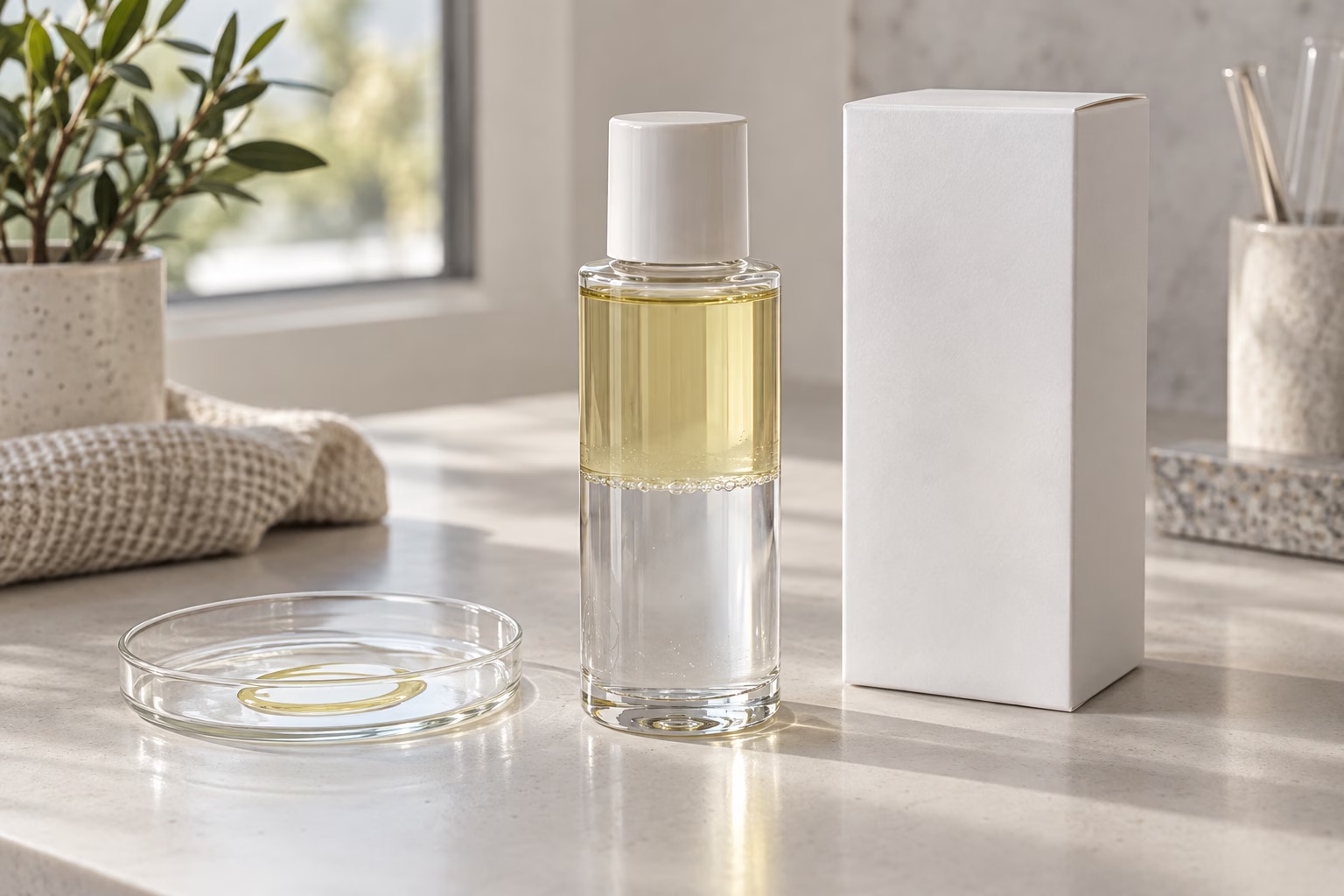
Build a Bottle Identity Before Comparing Outputs
Connect the formula revision, bottle and closure codes, dip-tube configuration, actual fill amount and sample history. Record how each bottle reached its starting fill state. A bottle filled directly to a lower level and one emptied through earlier dispensing are different preparations; label them separately. Use independently identified samples for the agreed comparisons rather than assuming that an attractive row of full, middle and low bottles represents controlled testing.
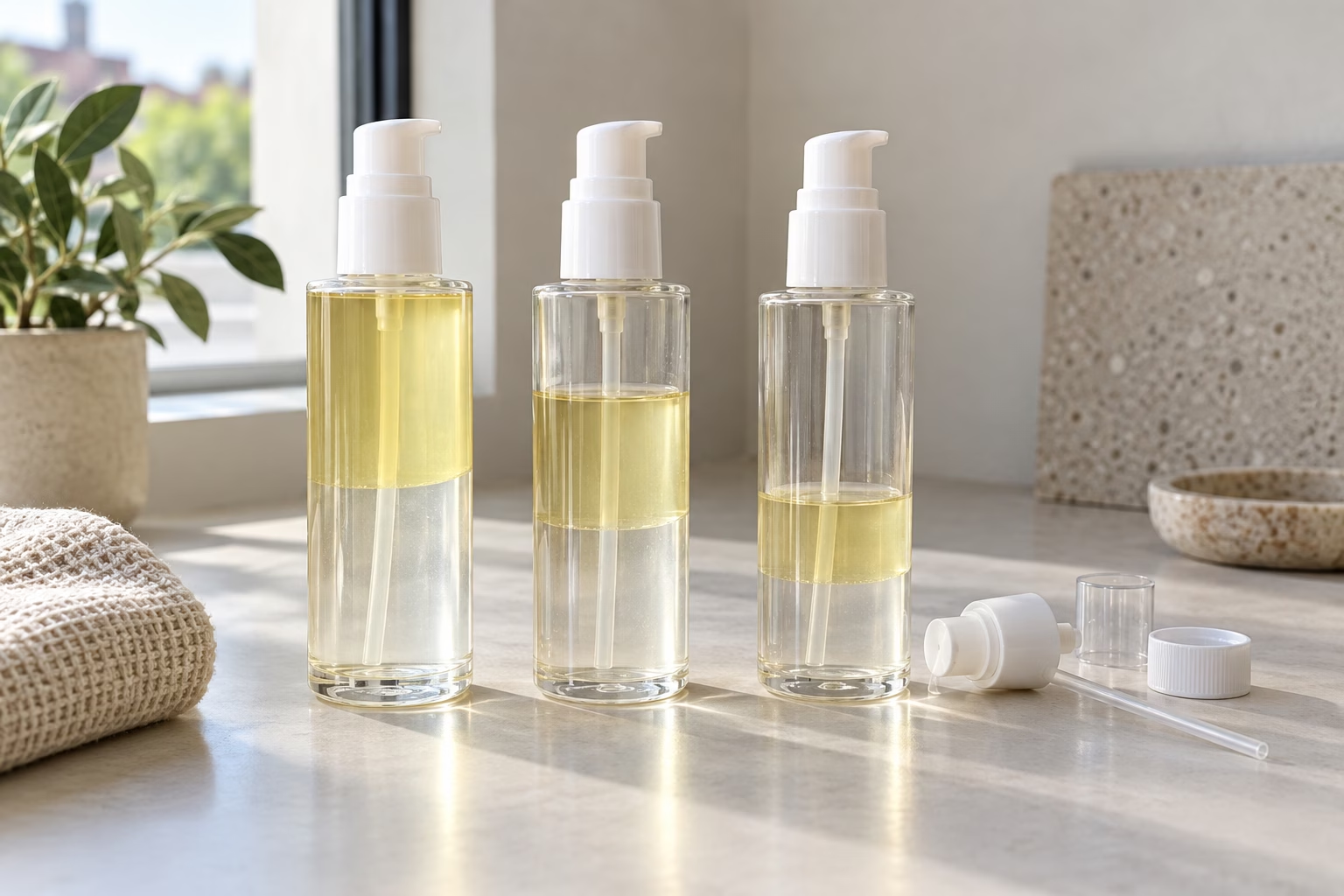
Record the Sequence Instead of Averaging It Away
Agree the resting position and shake method before collecting observations. Keep the actual elapsed time from the last shake beside each output. A planned pause and the pause that actually happened belong in separate fields. Identify the first output, the output after a pause and later outputs individually. If the bottle is shaken again, start a new sequence and retain the earlier observations.
| Sequence field | What the project record should identify |
|---|---|
| Preparation | Sample identity, starting fill state, prior dispensing, storage position and defined agitation. |
| First output | Elapsed time, output order, collected mass, visible appearance and closure residue. |
| Pause and resume | Planned and actual pause, handling position, any additional shake and the first resumed output. |
| Later outputs | Individual results and sample history, with any unavailable observation left unconfirmed. |
| Review decision | Who reviewed the evidence, unresolved questions and which formula or component revision follows. |
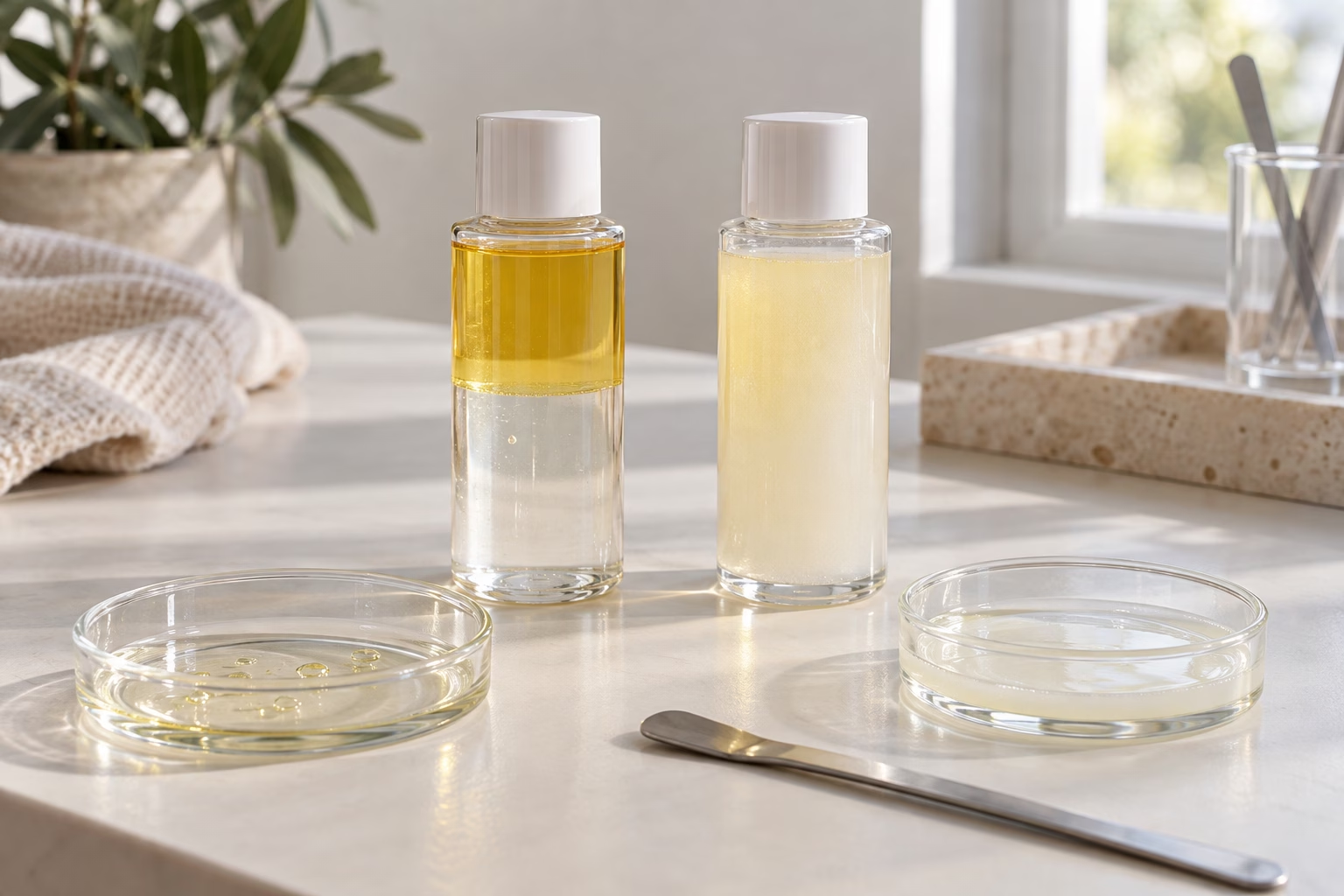
Keep Output Mass and Phase Composition Separate
Weighing a collected output answers how much material was collected. It does not, by itself, establish the proportion of the phases or the amount of a particular ingredient. Matching colour, a clear layer boundary or a similar spray pattern cannot close that question either. Avoid pooling successive outputs into one average before the individual sequence has been reviewed.
If composition information is needed, the qualified formula team should select and justify a suitable measurement approach for the actual system. Any proposed ingredient marker, collection procedure and interpretation need their own review. GUOCUI has not established a marker assay, analytical method or passing limit for this catalogue direction. Keep quantitative evidence, visual observations and sensory comments in separate records.
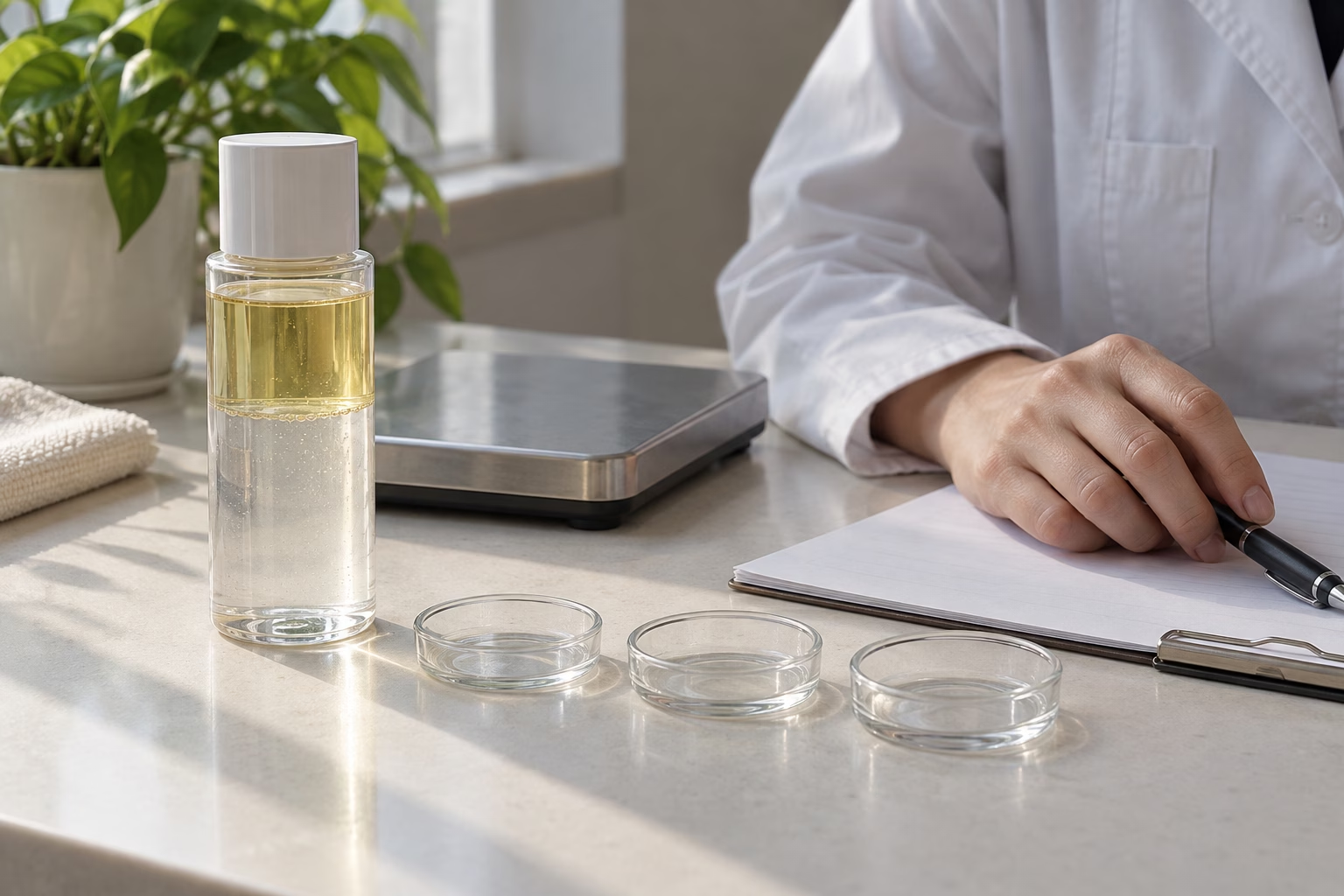
Turn the Review into Customization Decisions
The buyer can discuss a humectant-led water phase and a separately selected emollient direction, with fragrance-free or buyer-owned scent options. Ingredient restrictions, spread, tack and residue belong in the brief before ratios are chosen. Compare one preferred standard closure with one acceptable alternative using the same documented formula revision; changing both formula and closure creates a different comparison.
Package capacity, bottle material, decoration, LOGO placement, label languages, outer carton and a coordinating wash or lotion can be reviewed after the use route is defined. Transparent packaging, travel size and a spray closure are options requiring assessment. They do not establish light protection, travel suitability, inhalation safety or a particular output. Artwork should follow the documented use instructions and unresolved evidence needs.
What Should a Buyer Approve?
Approve sensory feedback, sequence observations, composition evidence when required, package performance, safety and label wording separately. A decision to proceed with a different closure does not resolve preservation or stability. Keep an open question attached to its sample identity so a revised bottle cannot silently inherit an earlier approval.
Can a heavier output prove a better-mixed dose? No. Collected mass and composition answer different questions. Does reshaking erase an earlier irregular output? No. Record the new sequence and retain the earlier result. Neither answer is a claim that this product has passed testing.
Send a Bounded Sample and Quotation Brief
Send the destination market, channel, intended body-use setting, fragrance and ingredient restrictions, preferred closure, approximate capacity, label languages, quantity range and planned launch window. Include the intended pause between applications and which output questions matter to the project. MOQ, quotation and sample or production timing depend on formula, packaging, order plan, required evidence and shipping review.
Read the filled-pack decision guide, browse Products and Body Care, then review Customization. Visit the Skincare Industry Trends hub or send a dual-phase sample brief.


