Direct answer: a private label jelly cleanser sample should not be approved because the texture looks novel in one jar. Before pilot packaging, the buyer and factory should agree on the rinse profile, foam level, wet-skin slip, after-rinse feel, viscosity target, package dispensing, transport checks and microbiological review plan. Those decisions turn a playful format into a product brief that can be quoted, sampled and checked consistently.
Jelly textures can work for face cleansers, body washes and other rinse-off concepts, but each channel reads the format differently. A beauty retailer may focus on visual texture and shelf presentation. A salon buyer may care more about controlled dosing and clean handling. An ecommerce seller needs packaging that can survive parcel movement without leaking or becoming difficult to dispense. GUOCUI BIO TECH uses the sample stage to align these practical decisions before formula, artwork and bulk production move forward.

What is a private label jelly cleanser?
A private label jelly cleanser is a rinse-off cosmetic format with a cohesive gel or jelly-like body rather than a thin liquid or conventional cream cleanser. “Jelly” describes the sensory and visual direction, not a fixed formula, ingredient list or performance claim. The final system may be transparent, translucent or softly opaque, and it may be developed for low foam, moderate foam or a more playful lather depending on the buyer’s market and channel.
The most useful OEM brief avoids copying a retail product name, package or proprietary ingredient story. It specifies the user experience in measurable workshop language: how much product is dispensed, how quickly it spreads on wet skin, whether it strings or breaks cleanly, how it rinses, and what the package must do after storage and transport.
Eight checks before pilot packaging
1. Define the rinse and foam target
Start with the intended use: face, body, travel, salon backbar or gift-set cleanser. Then describe the desired foam as low, moderate or rich instead of using vague words such as “perfect.” Ask the sample team to note rinse time, residue perception and whether the skin feel matches the channel. A face cleanser may need a different after-rinse target from a shower jelly.
2. Compare wet-skin slip at a controlled dose
Use the same sample dose, water temperature and evaluation time for each version. Record whether the jelly spreads evenly, drags, breaks into pieces or becomes too runny after contact with water. The buyer should also state whether the product will be used with hands, a cleansing tool or a shower accessory, because the application method changes the useful texture window.
3. Observe structure recovery
A visually appealing sample can still become inconvenient if it stays stringy around a pump, collapses after shaking or does not settle cleanly after use. Photograph the sample before and after repeated dispensing, then compare it again after the agreed rest period. This is a practical screening step; the technical team should define the appropriate viscosity and stability methods for the confirmed formula.
4. Match the texture to the dispensing system
Do not choose a bottle from appearance alone. A pump, squeeze tube, disc-top bottle or wide-mouth jar creates different dosing, hygiene, leakage and residue questions. Ask for package samples using the intended neck finish, closure and orifice. Check the first dose, repeated doses and product remaining around the actuator or cap. If a jar is considered, discuss how consumer contact and use conditions affect the product-safety review.
5. Run a package compatibility plan
Formula and packaging should be reviewed as one system. Agree which conditions will be checked for leakage, paneling, seal performance, discoloration, odour change, label lifting and dispensing consistency. Intended market packaging should be included in the review, not only an inert lab container. Test scope and acceptance criteria depend on the confirmed formula, package materials, market and order plan.
6. Review transport and temperature handling
Parcel movement can change what the buyer sees when a sample arrives. Pack the bottle in the proposed inner support and carton, then inspect it after the agreed transport simulation or sample shipment. Record cap movement, pump locking, leakage, trapped air and texture appearance. A failed carton or closure should not be misdiagnosed as a formula failure.
7. Confirm the microbiological review path
Water-based cosmetics require a suitable safety and preservation review. The United States FDA notes that contamination can come from raw materials, water, manufacturing conditions, an ineffective preservation system, packaging, shipping, storage or consumer use. The buyer should ask what finished-product and microbiological work is appropriate for the confirmed formula and destination market. A visual sample check is not a substitute for that technical review.
8. Freeze artwork only after the package route is stable
Confirm net content, label panel size, batch-code area, directions, warnings, language versions, barcode position and carton marks after the primary package is selected. A late change from pump to tube can alter label dimensions, copy hierarchy and shipping carton counts. GUOCUI can review custom logo labels, boxes and multilingual packaging as part of the project handoff, but final wording should match the confirmed formula and target-market review.
Sample decision table for buyers
| Decision | What to record | Why it changes the project |
|---|---|---|
| Texture | Clarity, flow, stringing, break and recovery | Affects sensory direction and package dispensing |
| Use test | Dose, wet-skin slip, foam, rinse and residue perception | Aligns the sample with channel and user expectations |
| Package | Pump or closure, orifice, leakage, label area and fill size | Changes MOQ, quotation, artwork and transport planning |
| Technical review | Stability, compatibility and microbiological scope | Must fit the confirmed formula and destination market |
| Production handoff | Approved sample, package code, artwork version and QC notes | Prevents different teams from working from different references |
Buyer handoff checklist
- Product use: face cleanser, body wash, salon format, travel size or set item.
- Target market and sales channel.
- Desired jelly appearance, colour direction, fragrance level, foam and after-rinse feel.
- Reference texture described without copying brand names or protected package design.
- Preferred capacity, bottle or tube style, closure and custom logo route.
- Quantity range, sample deadline and intended launch window.
- Artwork status, label languages, carton needs and barcode status.
- Destination-market document or testing questions that must be reviewed.
MOQ and quotation can be confirmed after formula, packaging, quantity, label requirements and shipping plan review. Sample and production timing can be confirmed after the formula direction and package route are agreed. Buyers can first review the GUOCUI product catalog, compare face-care directions and facial cleanser options, then open the customization process.
Frequently asked questions
Does a jelly cleanser need a jar?
No. The useful package depends on viscosity, dose, hygiene expectations, closure performance, fill size and channel. Pumps, tubes, disc-top bottles and jars should be compared with the actual sample rather than selected from a catalog image alone.
Can a buyer approve the formula from one appearance photo?
No. A photo can document clarity, colour and obvious separation, but it cannot show dispensing, wet-skin slip, foam, rinse, odour, package compatibility or microbiological suitability. Use a controlled scorecard and retain the approved physical sample reference.
Can GUOCUI provide a fixed MOQ or lead time for every jelly cleanser?
Not responsibly from the format name alone. MOQ, quotation and timing vary with formula route, package availability, decoration, quantity, testing, label work and shipping plan. Share those inputs before asking for a project-specific answer.
What should be approved before bulk production?
The handoff should identify the approved sample, formula or version reference, primary package, artwork revision, net content, label language, carton and QC notes. Market-specific documents and testing needs should also be assigned to the correct factory, buyer or local compliance owner.
Send a clearer jelly cleanser RFQ
GUOCUI BIO TECH / Guangzhou Guocui Biological Technology Co., Ltd. supports private label and OEM/ODM buyers with formula-direction discussion, sample review, package matching, custom logo labels, cartons, QC communication and export preparation. Use the Contact form to send the intended use, target market, texture, package, quantity range and sample timing. The team can then discuss a practical next sampling and quotation step.
Sources used for the safety and compatibility framework: FDA: Microbiological Safety and Cosmetics; FDA: Product Testing of Cosmetics; European Commission SCCS testing guidance.
Separate pump restart from the body-wash comparison
For a pump-based body wash, keep three output records: first use, established dispensing and restart after an agreed rest period. Identify the formula and pump assembly, elapsed rest time, collected mass and any delayed or interrupted delivery. Then compare wash samples at the same agreed cleanser mass. Equal pump counts alone may conceal different portions. For a wash-to-lotion review, hold one moisturizer constant and specify drying method, wait interval and lotion amount. Record spread, drag and apparent residue separately. These observations guide sample choices; they do not approve universal compatibility, mildness or finished-product claims.
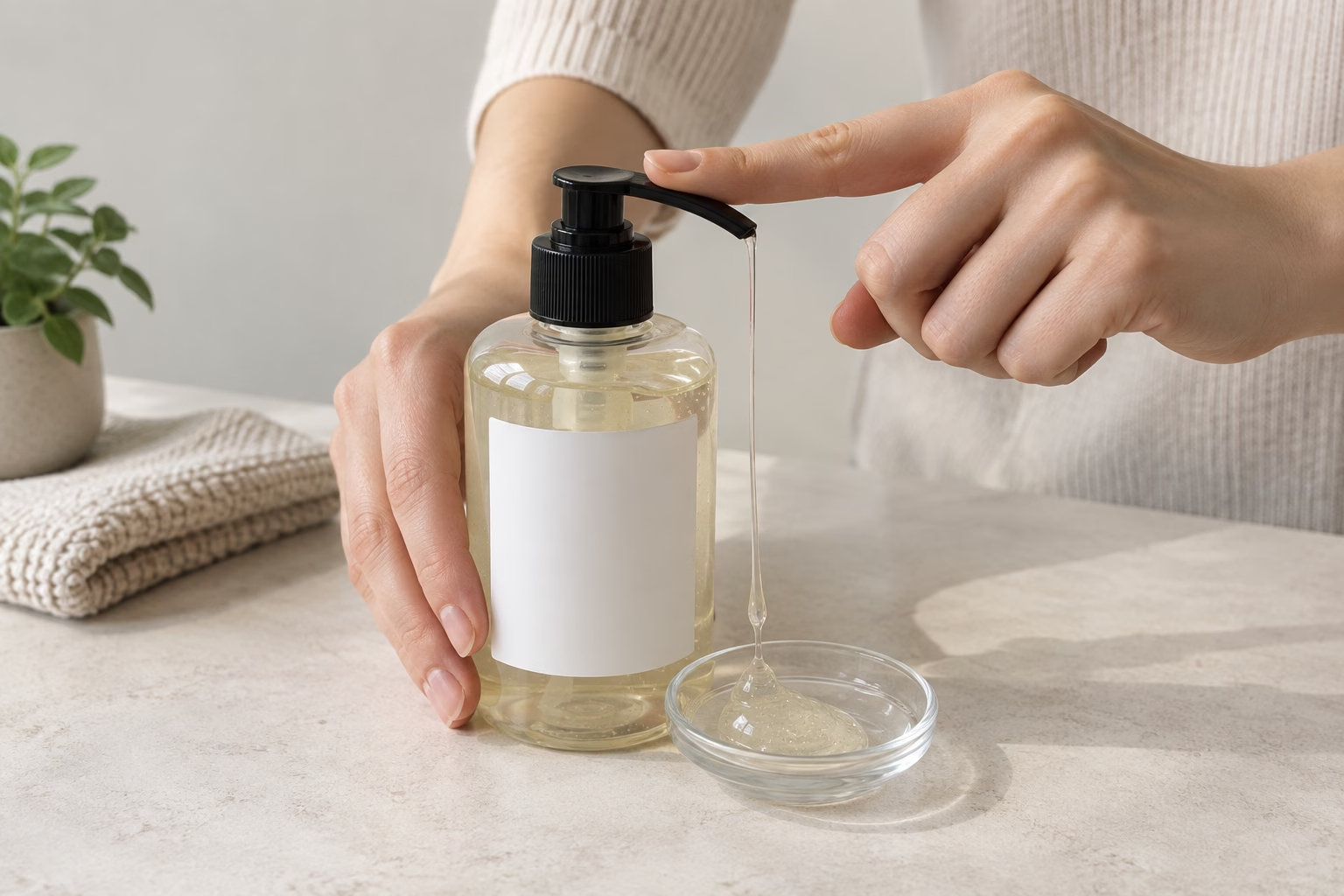
Should a restart check replace the eight tests above?
No. It adds a defined dispensing record before the controlled use comparison; the other technical and safety reviews still apply.
Use the jelly body-cleanser development page to prepare that brief, then send the intended routine and packaging requirements. Read the Skincare Industry Trends center for dated market evidence.
Leave a Reply