Author: lesile

  • Oil-to-Foam Body Cleanser OEM: Compare Dose, Lather and Rinse

    Oil-to-Foam Body Cleanser OEM: Compare Dose, Lather and Rinse

    Before you quote an oil-to-foam body cleanser, compare three things on the same filled sample: how much comes out of the pack, what happens when the cleanser meets water, and how the sample rinses. Give each check its own result. A sample can pour neatly and still miss the rinse feel you want for your brand.

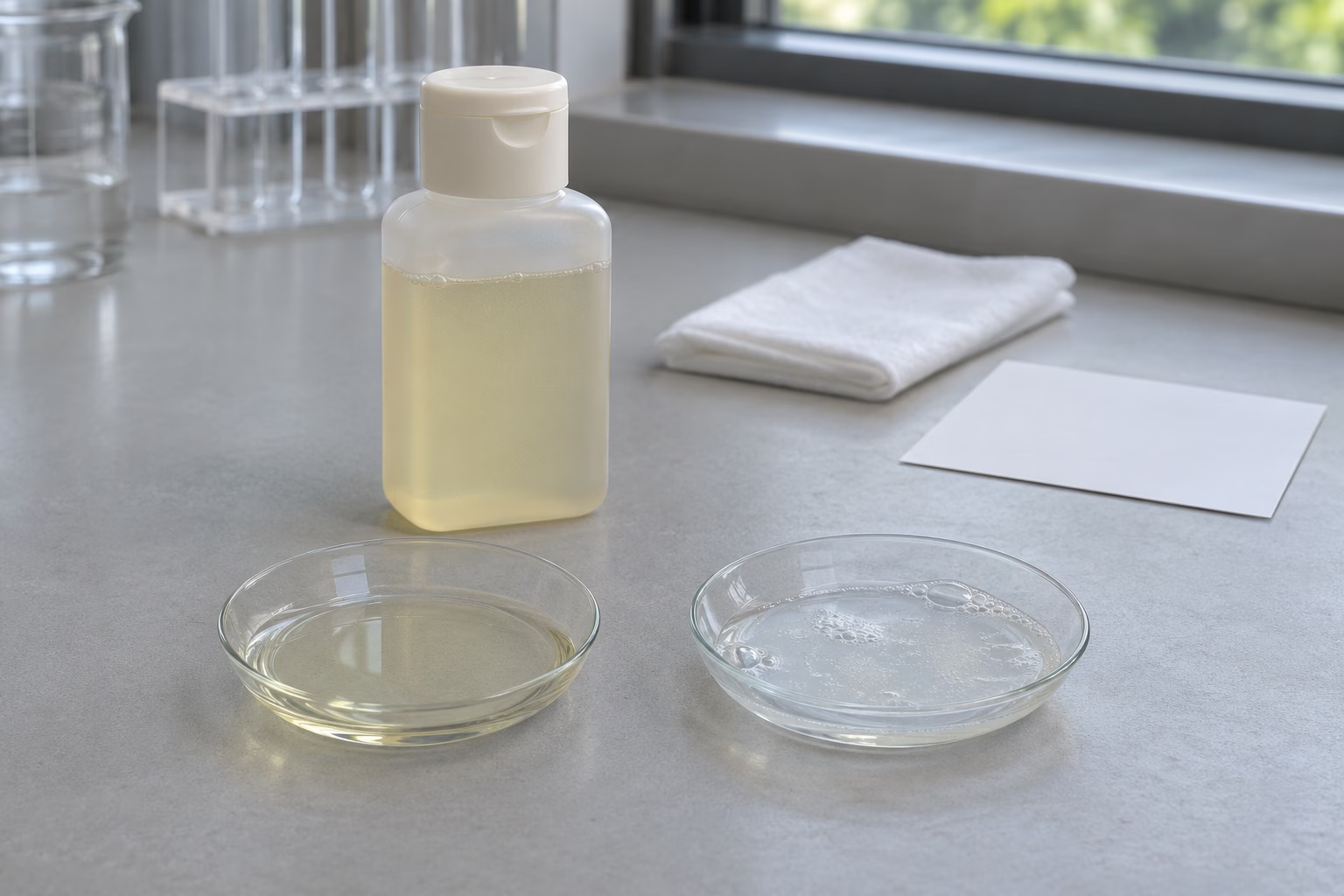
    AI-generated illustration of a proposed cleanser sample review. The setup carries no test result or GUOCUI factory provenance.

    Verified facts from the November rollout

    On 30 September 2026, L’Oréal Japan announced a limited Kiehl’s collaboration that included a scented variant of an existing oil body cleanser. It scheduled an early release for 30 October and a limited nationwide Japan rollout for 6 November. A Takashimaya Gate Tower Mall counter notice dated 6 November identifies the same cleanser in the collection. Bioderma Australia’s instructions for a separate shower oil show how another brand describes lathering on wet skin before rinsing. This example gives format context for the brief. The Japanese variant’s own formula and full instructions remain unverified.

    GUOCUI factory-side inference for the sample brief

    For this brief, oil-to-foam describes a rinse-off body cleanser dispensed as a liquid and worked with water to form lather. Ask the formulation team to describe the proposed base and use sequence before you pick a closure or approve wording. An oil-like appearance alone does not establish a water-free formula. A buyer looking for a soft, low lather can ask for that texture directly without specifying the source product’s ingredients or fragrance.

    Three observations to record for each filled sample revision
    Stage What to keep consistent What to record
    Dispense Fill level, bottle angle and the defined press or squeeze Amount delivered, extra drips and residue at the opening
    Work with water Starting dose, water source and temperature, and the same mixing steps When the appearance changes, how evenly it spreads and what the lather looks like
    Rinse Rinse sequence, assessment surface and observation timing Visible residue, the reviewer’s after-feel notes and any follow-up needed

    Compare the formula first, then compare the closure

    Start with the same measured amount of each formula so a larger dose cannot make one sample look like it lathers better. Next, repeat the use sequence from the proposed filled bottle. If the results change, log the actual delivered amount before asking for a formula revision. Keep the sample code, formula revision and closure reference together on the photo sheet. That gives the buyer, packaging supplier and lab a common sample to discuss.

    Brief the channel and the shower conditions

    A salon distributor may want a brief staff demonstration, while a body-care brand selling online needs directions that buyers can follow at home. For a damp-use cap, ask the project team to consider opening, closing, product trapped around the outlet and possible water entry after use. Agree whether to repeat the comparison with water representative of the destination. Reserve stability, compatibility, microbial risk and claim substantiation for the appropriate project reviews.

    Not claimed

    The dated sources describe a limited Japanese rollout and a counter listing. They do not establish wider demand, fulfilled orders or a first global launch. This guide proposes an independent sample comparison. It does not establish a GUOCUI formula, passing test results, approved claims, stock or production availability.

    Buyer FAQ

    Does an oil-to-foam cleanser require a foaming pump?

    Water-activated lather describes the use step. Choose the dispenser after checking how the actual formula flows and how much the filled pack delivers.

    Can a lather photo settle sample approval?

    A photo can document appearance under recorded conditions. Review the dose and rinse observations separately before choosing a sample.

    What should I send before asking for MOQ and timing?

    Send your market, channel, preferred lather and after-feel, closure and size preferences, artwork languages, quantity range and launch window. MOQ, quotation and sample or production timing depend on formula and packaging review.

    Prepare your own body cleanser brief

    GUOCUI BIO TECH / Guangzhou Guocui Biological Technology Co., Ltd. can discuss your Private Label, OEM, ODM or Custom Formula brief. Use the existing shower oil program to start the conversation. Browse Products, review customization options or follow the trend center. Send your cleanser sample brief to GUOCUI.
  • Single-Use Bath Milk Sachets: Two Checks Before an OEM Quote

    Single-Use Bath Milk Sachets: Two Checks Before an OEM Quote

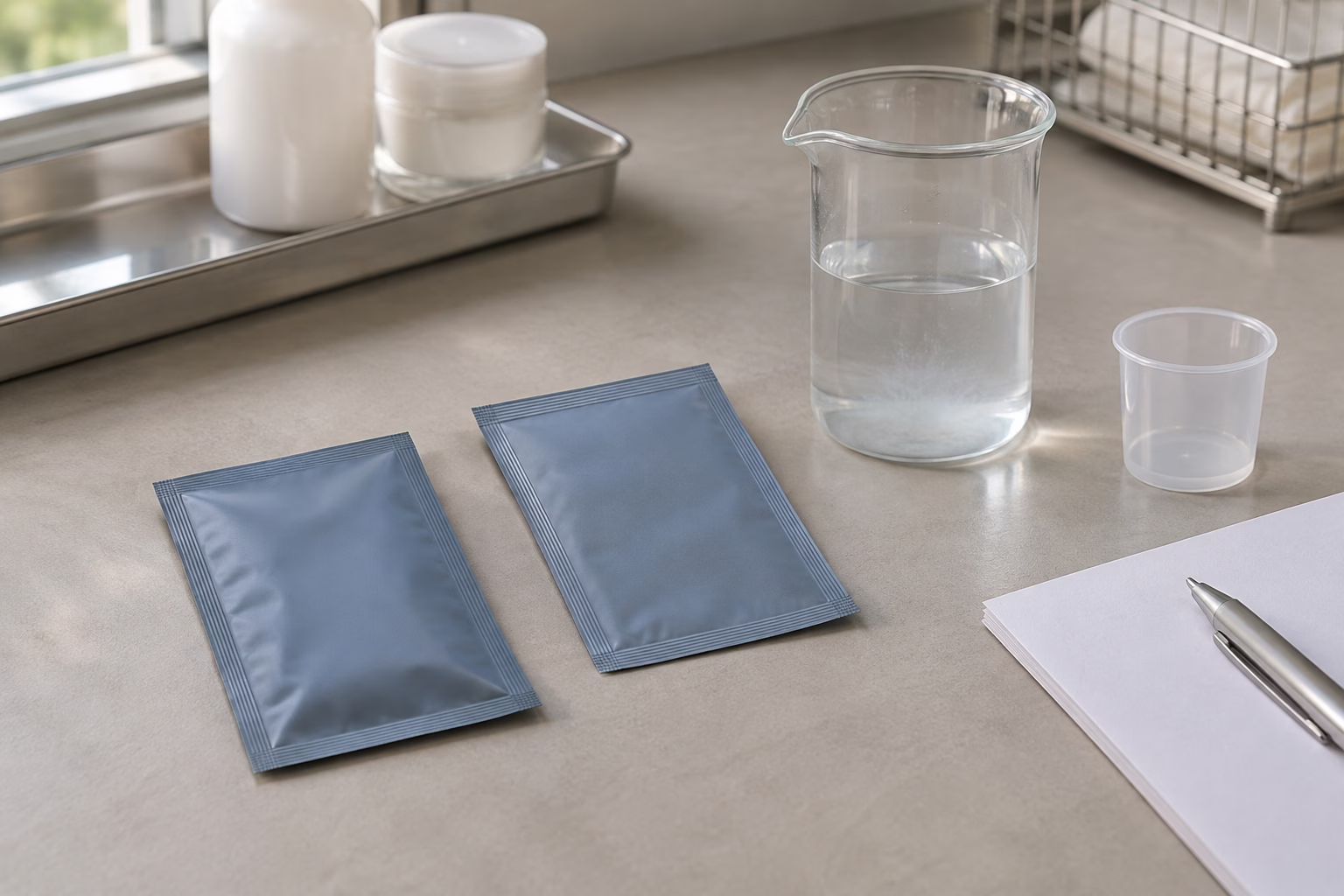
    AI-generated illustration of a proposed bath milk sample review. The setup is illustrative and carries no test result or factory provenance.

    Direct answer. A single-use bath milk sachet is a measured portion of liquid intended for dilution in bathwater. Before requesting a quote, ask the factory to review the liquid in water and the liquid in its filled sachet. The first review shows how the bath behaves under the agreed conditions. The second shows whether a buyer can open the pack, empty it and transport it as intended.

    Verified facts from the Japanese rollout

    On October 27, 2026, Caring Japan announced the RUHAKU Night Luxe Bath Milk and Sheet Mask rollout. It scheduled online sales for November 1 and a phased retail rollout beginning November 6 in Japan. The brand’s current five-sachet listing and single-sachet listing identify separate product codes and the same 23 mL unit. The listings describe adding the contents to bathwater. Evidence was reviewed on November 9, 2026. Store-level availability, fulfilled orders, repeat purchase and demand growth remain unverified.

    GUOCUI factory-side interpretation

    The useful development question is whether a hotel, spa, or distributor needs a portioned bath additive or a leave-on lotion. Put that decision at the top of the brief. A guest who sees the word “milk” on a small packet could reasonably expect to apply it directly. The artwork, placement in the amenities tray and opening instructions all need to make the intended use clear.

    For the bath route, start with a plain sample and agree how the team will observe dispersion. Record the dose, water volume, temperature and, if known, water hardness. Pour the sample into water under those conditions and observe visible streaks, surface film, foam and residue on the vessel after draining. If the channel uses different water conditions, repeat the observation in the relevant ranges. Use the results to agree sample acceptance criteria and decide whether further assessment of tub-surface residue or slip is needed.

    Keep a second set of samples sealed. Record the formula revision and the laminate, seal and filling configuration. Check tear direction, handling with wet hands, how much liquid stays in the opened pack and whether the printed directions remain readable when wet. Keep pack integrity observations separate from the dilution record. If a sachet leaks after handling, the team needs to know which seal, film and filled sample were used before changing the formula.

    Choose the sample brief by how the product is used

    Buyer decision Single-use bath additive Direct-use body milk
    Use and dose One defined portion for an agreed bathwater range. Applied to skin in a quantity suited to the routine.
    First sample check Dispersion, surface film, residue and opening behavior. Spread, finish, dispensing control and cap handling.
    Pack review Tear path, seal integrity, remaining contents and directions space. Spout flow, cap engagement, leakage and repeated handling.

    For the leave-on route, use the existing direct-use body milk pouch development program. Its pack questions belong with a lotion applied to skin. For the bath route, send the target market, intended channel, expected water-use scenario, quantity range, desired scent, pack count and artwork languages. GUOCUI BIO TECH / Guangzhou Guocui Biological Technology Co., Ltd. can review those inputs with you through its Private Label / OEM / ODM customization process. Formula, compatibility, claims, MOQ, quotation and timing remain project decisions.

    Buyer FAQ

    Should the new sample use a 23 mL sachet?

    Set the trial fill amount from the intended water volume, formula behavior and packing plan. The 23 mL figure describes the cited retail product.

    What should the buyer approve first?

    Approve the use instructions and trial conditions, then review a filled sachet with the proposed formula and component codes. Keep a reference sample and dated observations for the next round.

    Does one clear dispersion check settle the packaging decision?

    Dispersion and packaging each need their own record. Review opening, seal integrity, retained contents and transport handling with the selected filled pack.

    What information helps GUOCUI quote the project?

    Share the market, use scenario, quantity range, scent direction, pack count, artwork languages and requested review plan. MOQ, quotation and sample or production timing follow formula, pack and order-plan review.

    Discuss a bath milk sample brief. Browse the GUOCUI product catalog and the Skincare Industry Trends center.

  • Twist-Up Mask Stick OEM: How to Review a Filled Sample

    Twist-Up Mask Stick OEM: How to Review a Filled Sample

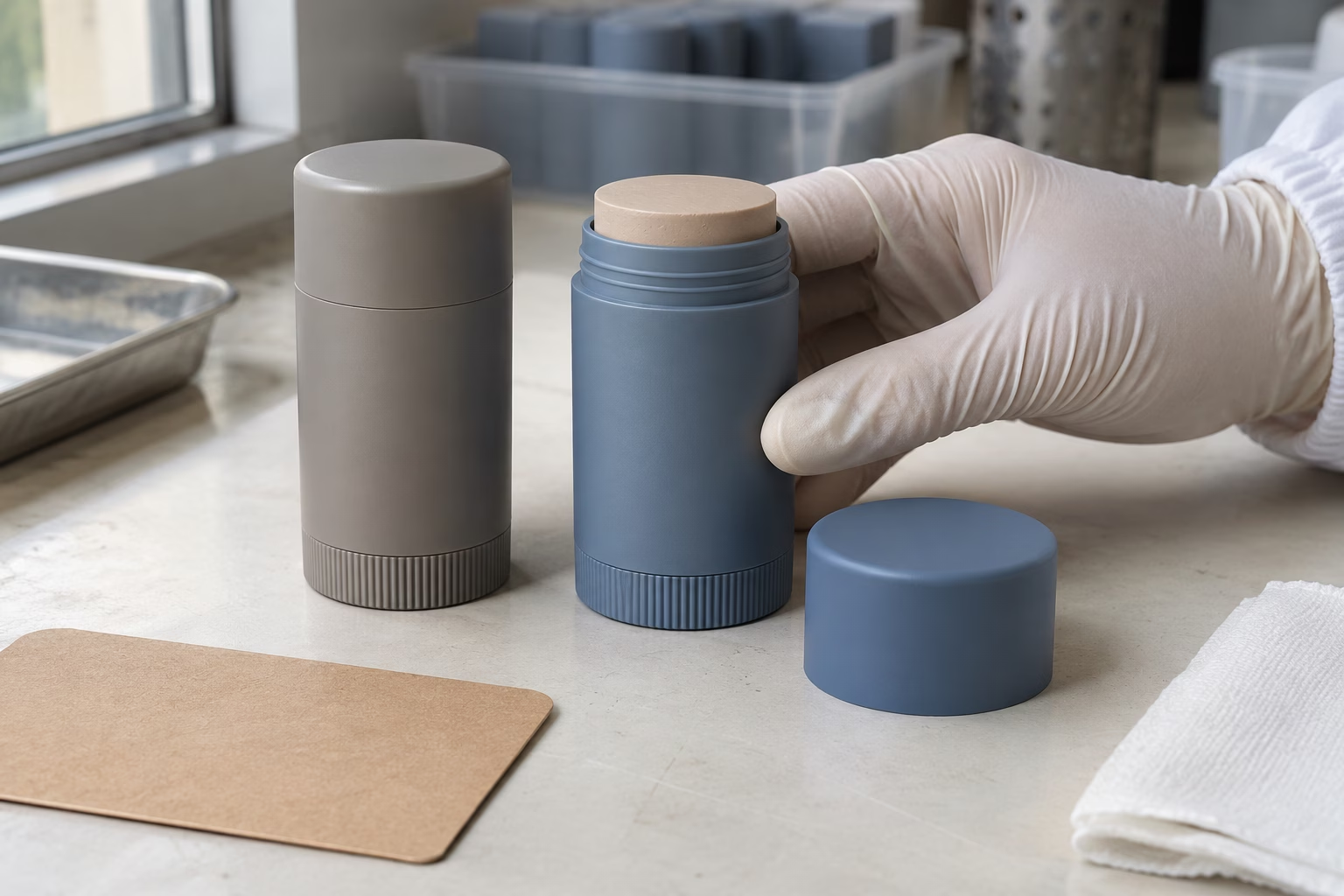
    Gloved hand steadying an unbranded twist-up mask stick beside a closed sample and detached cap
    AI illustration for buyer education showing a generic sample review. It does not depict GUOCUI premises, a listed SKU, or completed QC.

    Direct answer: Review a filled twist-up mask stick with its intended formula, mechanism and cap assembled together. Check whether the stick advances, retracts and applies consistently, then check the cap again after repeated use and agreed storage. An empty package can help you choose a shape and finish; it cannot show whether the filled stick will stay seated, clear the cap or leave the intended layer on the skin.

    What counts as a filled twist-up sample?

    A filled twist-up sample is a trial of the proposed solid or semi-solid mask formula in a working package. It includes the body, rotating mechanism, cup that holds the formula and closure. The sample record should identify the formula revision, component codes, intended net content and how the unit was filled. A component swatch or an empty pack is a separate reference. A hand-filled sample can be useful early on if everyone records how it differs from the proposed production fill.

    Before sending feedback, identify the proposed use. A buyer developing a rinse-off facial mask may want the product to lay down a visible, even film across a cheek-sized area. A travel-focused brand may also care how easy it is to close the pack cleanly. Write down the expected application and removal experience so the team can tell which issues belong to the formula and which belong to the package.

    Run the same checks on each sample

    What to record when comparing filled mask-stick samples
    Check What to observe What to send back
    First opening Look for product on the inside of the cap, the rim or the collar before use. Photo of the unopened unit and the cap immediately after opening.
    Advance and retract Raise the stick only to the agreed working height. Note wobble, scraping, slipping or an uneven return. Short video showing the base turning and the stick moving in both directions.
    Application Use the agreed test surface and method. Note drag, crumbling, uneven transfer or a change as the sample warms during handling. Side-by-side results under the same light, with sample IDs and the number of passes.
    Recap Retract and close the cap. Reopen it and check for a fresh contact mark or residue around the neck. Photo of the position before recapping and the inside of the cap afterward.
    Repeat review Repeat the agreed checks after the specified storage and handling conditions. Compare with a retained reference. Storage orientation, date, conditions and the point at which any behavior changed.

    Keep the comparison practical. If one sample uses a different cup and a different formula, a cleaner cap does not tell you which change helped. Where possible, change one variable at a time and preserve a labeled reference. If a new formula or mechanism is essential, record the revised pair as a new sample and run the relevant checks again.

    Use the failure to decide what to change

    The stick smears the cap

    First establish when the smear appears. Product present before the first opening calls for a different investigation than a mark that appears only after recapping. Share the filled height, position after retraction and a picture of the inside of the cap. That gives the sample team a starting point for checking clearance, whether the stick is retracting fully and whether handling changed its position.

    The dial turns, but the stick moves unevenly

    Record whether the issue happens on the first turn, near the working height or only on retraction. Ask the team to compare the suspect unit with a second unit of the same revision. Check whether the formula remains seated in the cup and whether the issue appears with the empty mechanism too. An empty comparison can help isolate a mechanical issue; the next decision still depends on the filled assembly.

    The pack operates, but the layer is patchy

    Agree what an acceptable layer looks like before requesting a formula change. A short video of the first pass and a photo after the agreed number of passes are more useful than “too dry.” Record the surface and how the sample was conditioned. For a rinse-off format, discuss how to evaluate removal separately from how smoothly the stick applies. The observations describe the sample experience; they do not establish product efficacy.

    What to send with a quotation request

    • Target market, sales channel, planned use and desired layer or finish.
    • Estimated order quantity, target net content and your preferred pack shape or reference dimensions.
    • Whether you are supplying the component, choosing from available options or asking to compare mechanisms.
    • Artwork languages, decoration direction, label and carton needs, and whether individual or set packing is planned.
    • One named person to review samples and a short list of the checks that must pass before artwork approval.

    GUOCUI BIO TECH / Guangzhou Guocui Biological Technology Co., Ltd. can discuss the brief as a Private Label, OEM, ODM or Custom Formula project. Use Products and the facial mask catalog to explore formats, then review customization options and send the project brief. MOQ, quotation, sample scope and production timing depend on the proposed formula, packaging and order plan. The sample approval checklist covers the broader artwork and production handoff.

    Frequently asked questions

    Can we approve the component before the formula is finalized?

    You can shortlist the shape, decoration and general handling using empty components. Confirm working height, retraction, cap clearance and application using a representative fill before approving the full combination.

    Does a matching diameter mean we can switch package suppliers?

    A similar diameter does not establish interchangeability. Compare the drawing, cup, travel, closure and fill method. Review the affected checks on the new filled unit before accepting the change.

    How many twist cycles should a sample pass?

    There is no universal cycle count in this guide. Agree a method, number of cycles, conditions and acceptance criteria for the chosen package and intended use, then record what was tested.

    Packaging references

    Aptar Beauty face stick packaging and the HCP Packaging dial stick product sheet illustrate different component options and filling configurations. These are packaging background references. The checks above are GUOCUI’s suggested buyer review, and supplier examples do not confirm component availability or fit for a particular project.

  • How to Prevent Mix-Ups in Private Label Mini Skincare Kits

    How to Prevent Mix-Ups in Private Label Mini Skincare Kits

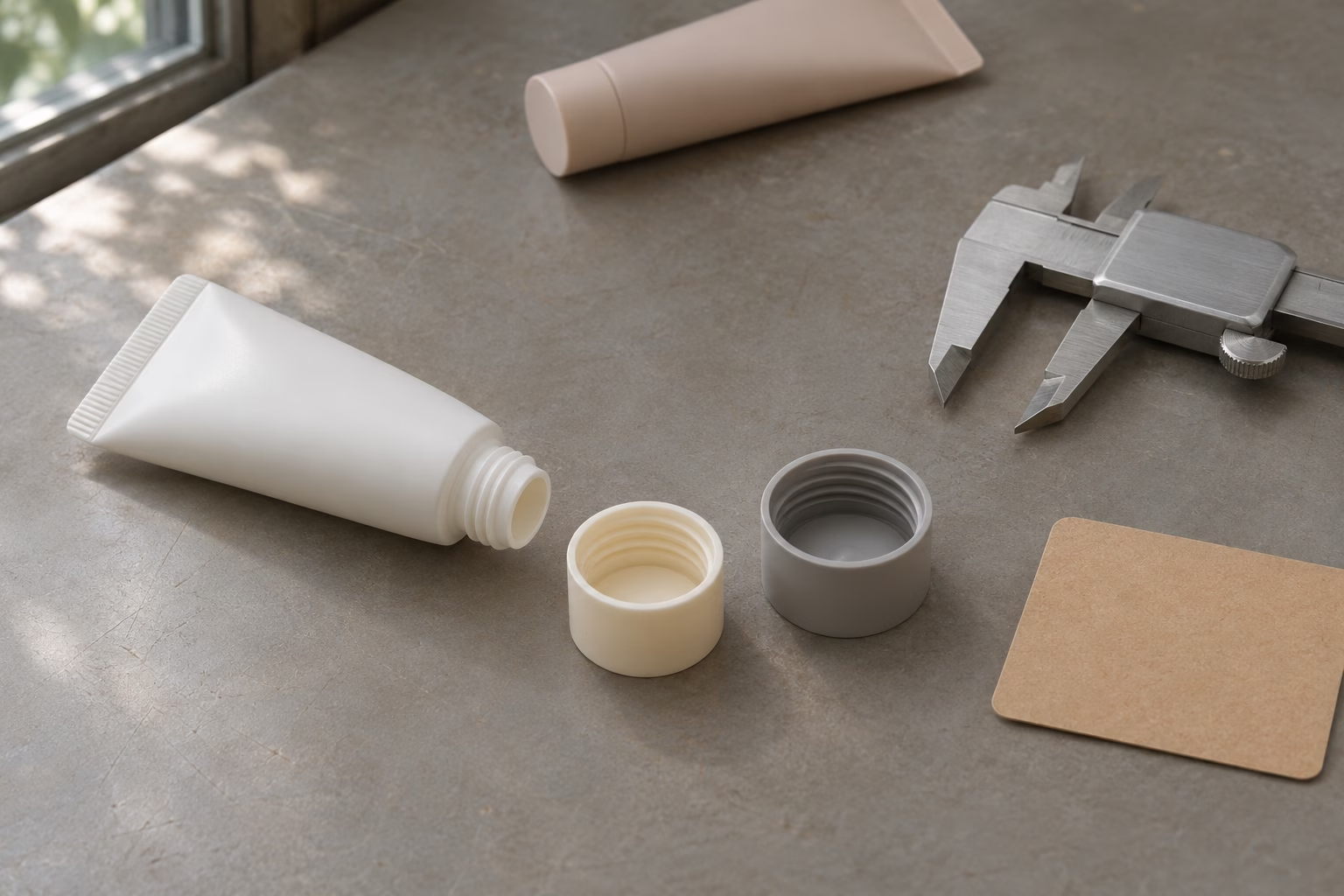
    Two plain tube caps beside unbranded sample tubes and a caliper on a packaging review table.
    AI-generated packaging review illustration. It does not show a GUOCUI facility, completed quality check or approved pack.

    Direct answer: To prevent mix-ups in a private label mini skincare kit, give every filled unit its own code, separate similar items at the packing table, and approve a first packed kit for each market and artwork version. Make the packer prove that each unit belongs in the kit before it disappears under a sleeve or into a closed carton.

    A packout is the last assembly step: the point where individually approved units, instructions and outer packaging become one saleable kit. The finished kit can fail even when every mini passed its own formula and packaging review. A body lotion can fit in the cleanser slot; a previous language insert can look right from the front. The useful question is what someone on the packing line can check in a few seconds.

    Start with the two mistakes your kit makes easy

    Put the physical minis side by side. Can someone distinguish a rinse-off cleanser from a leave-on lotion when both are upside down in a tray? Can they tell a French insert from an English insert when only its folded back is visible? Run this exercise with plain prototypes before committing to matched decoration. Size, colour and placement can help, but every difference should also be expressed in a code or readable name.

    On 28 October 2026, Naturie announced two seasonal combinations scheduled for 10 November, one pairing a lotion with a mini gel and the other pairing a gel with a mini tube. A separate Cosme Kitchen announcement on 28 October scheduled a sequence of holiday kits from 1 November. Those statements describe assortments and schedules. Neither establishes fulfillment or demand. For a buyer building their own assortment, the useful design question is how one assembly setup stays distinct from the next.

    Give the packer a reference they can work from

    For a hypothetical set, use three rows: cleanser A, lotion B and insert C. Create a separate row for the outer carton. Each row needs an item code, a revision, the number expected per kit, a photo or drawing of the correct part, and one visible check the packer can make. Choose identifiers that can still be read when the front of a unit faces down. The examples below are proposed checks for a sample brief.

    Example assembly checks for one market version
    Where a mix-up can happen What to verify before closing the kit What to do if it differs
    Filled minis look alike Readable unit code and name in each tray position; expected quantity of each. Stop assembly and isolate the kits packed since the last confirmed check.
    Caps look interchangeable Match the approved cap and tube component codes; check the assembled profile against a reference. Segregate the affected unit and refer the discrepancy to packaging review.
    Two language inserts share artwork Insert revision and market code match the outside carton. Hold the kit, clear mixed inserts from the table and confirm the next first kit.
    A mini is replaced on a repeat order Check the updated assembly sheet, barcode if used, and lot record for the substitute. Use the former version only within its agreed release scope; review the new version separately.

    The FDA cosmetics self-inspection guidance includes controls for material identity, preventing mix-ups and checking labels before use. That is useful background when discussing checks with a supplier. The table above is a suggested buyer tool. It does not certify a line, verify an order or substitute for destination-specific review.

    Walk one pack through the actual changeover

    Use a sample session to rehearse a switch from market A to market B. Remove the prior cartons, inserts and open bins; compare the next materials against the released list; then assemble one kit and photograph it open and closed. Check that unit identification is visible before the outer pack is sealed. Agree who signs off that first kit and what event reopens the check: a change of market, an insert revision, a switch of part lots, or a restarted packing run.

    Ask how to handle rework before anything is sealed. If a label version changes, can an affected kit be identified through its unit and carton records? Can a mini be removed without damaging the other components? Count a replacement as an explicit change to the kit record, so a later review can recover which units went together. A tray layout, a good reference photo and a clear stop point are easier to use than a long instruction no one can read at the table.

    What to send with a private label kit RFQ

    Share a draft kit map, the intended channel and destination, each unit’s intended use and quantity, the packaging and closure direction, and the required language versions. Indicate whether the minis will also be sold alone. Flag components that are still being selected. Request separate lines for product sampling, stock or custom components, printed pieces, assembly, inspection and export packing. Compare quotes on that same scope: a unit price can exclude work that another offer includes.

    GUOCUI BIO TECH / Guangzhou Guocui Biological Technology Co., Ltd. can discuss formula direction, labels, cartons and sample review through its customization service. Compare the travel hair and body mini kit development direction and the guide to reviewing each primary pack for the earlier formulation and packaging decisions. MOQ, quotation and timing depend on the confirmed formula, component choices, artwork, order plan and sample work.

    Buyer FAQ

    Can two minis use the same colour and tube shape?

    They can share a visual family. Before approval, verify a readable distinction on the filled units, a clear check at the packing table and the right use instructions for each product.

    Is a carton barcode enough to check the contents?

    A carton barcode can identify the outer kit. Check the unit identities and counts before sealing, then link the finished kit to the agreed lot and artwork records.

    What is the first sample to request?

    Request one assembled kit per proposed market or artwork version, alongside the individually identified filled units. Ask to see it both open and closed, with the insert revision and part codes recorded.

    Which microbiological limits should our lab use for the filled minis?

    Before sending samples, give the lab a list of each filled mini and its intended market. Ask the lab to record the applicable microbiological limits and standard edition, the sample and lot identification, and how the results will be reported. ISO published ISO 17516:2026 on 6 November 2026 and lists the 2014 edition as withdrawn. Confirm the applicable specification with your lab and compliance team. Discuss preservative efficacy or microbiological risk assessment separately where applicable.

    Evidence checked 7 November 2026. ISO 17516:2026 publication record · ISO 17516:2014 withdrawal record · ISO 11930 antimicrobial protection scope

    Before you release a kit: Make each unit recognizable at the packing table, keep an accepted open-kit reference, and agree when assembly must stop and be checked again.

    Discuss a mini kit packout with GUOCUI · Browse Products · Read Skincare Industry Trends

  • Solid Cologne Set Packaging: Build a Case-and-Pan Sample Matrix

    Solid Cologne Set Packaging: Build a Case-and-Pan Sample Matrix

    A solid cologne set needs a sample matrix that identifies the formula version, pan, case, label and set arrangement for each proposed combination. Approve those combinations by version. A good-looking case or a single scent sample cannot establish that every item in the proposed set is ready for production.

    This guide is a procurement worksheet for buyers comparing private label solid cologne packaging. Start with the GUOCUI solid cologne set inquiry page, then separate what the picture shows from the specifications your order still needs. The objective is a traceable sample decision that the buyer and factory can both read.

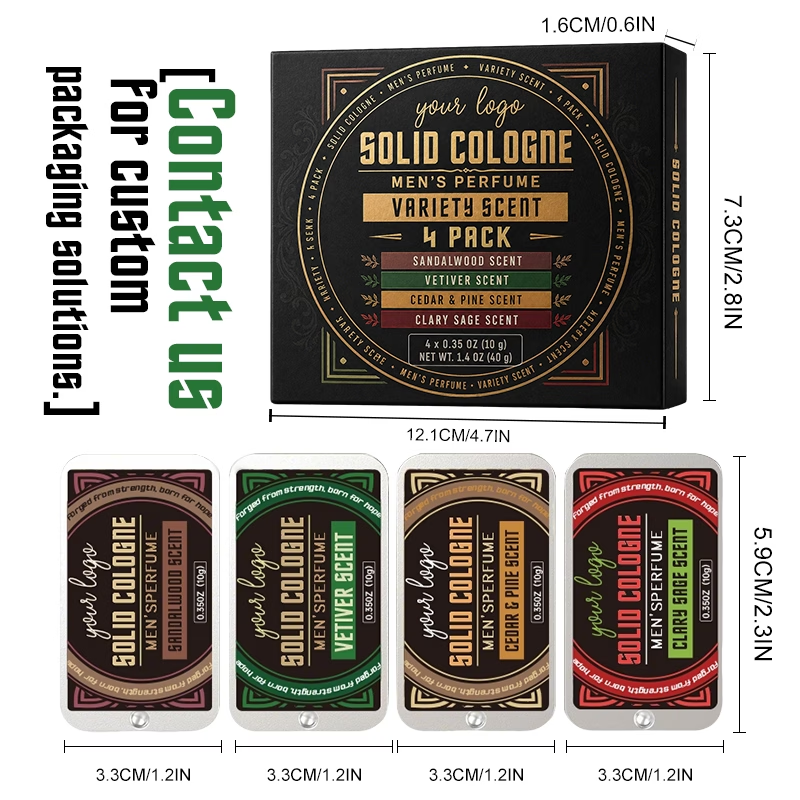
    Supplier artwork reference showing a solid cologne set with individual cases and an outer box
    Own-store supplier artwork reference for this product direction. This image is not a photograph of GUOCUI production, a completed QC inspection or the buyer’s approved sample. Illustrated quantities, dimensions, labels and scent names require separate order confirmation.

    Give every sample a combination ID

    Before comparing samples, put a combination ID on the sample bag and its record. Keep that ID separate from a marketing scent name. A useful entry identifies the proposed formula revision, fill specification, pan drawing, case drawing, closure, decoration and outer-pack revision. If one field is unknown, leave it open and name the person who will confirm it.

    Use simple identifiers such as A01 and A02. These are worksheet examples, not supplier model numbers. Photograph the received sample beside its ID, record the receipt date and retain the packaging it arrived in. A later comment such as “use the first black case” becomes difficult to interpret when several case or decoration revisions exist.

    Build the case-and-pan matrix before choosing a set

    Compare one proposed combination per row. Keep the formula and pack references visible together, even when the case supplier and formula contact are different people. The matrix below defines questions for development; it does not claim that a particular material, mechanism or test has been approved.

    Matrix fieldBuyer decisionEvidence to keep
    Formula and fillWhich sample revision and intended fill belong in this row?Sample ID and confirmed specification
    Pan and caseWhich drawings, material references and closure are proposed?Component references and dimensional review
    Use and handlingHow should the finished sample be opened, used and stored?Supplier instructions and recorded observations
    DecorationWhich artwork revision fits the selected component?Approved artwork and placement reference
    Set arrangementWhich combinations go into the outer pack, and in what order?Assembly map and pack revision
    Release decisionAccepted, revise or pending?Dated decision, reviewer and unresolved points

    Two rows may look almost identical but still require separate review. A different pan, fill specification, fragrance version or decoration method is a change to record. Ask the factory which checks need repeating when a component changes, rather than assuming that a previous sample approval transfers automatically.

    Separate empty-pack handling from filled-sample review

    An empty case is useful for discussing grip, opening, closure, label position and access to the pan. Record observations in ordinary language: the lid is difficult to move, the edge catches a finger, or the label covers an opening point. Avoid turning an informal handling check into a claim about durability or safety.

    A filled sample addresses a different question: how does the proposed product and packaging combination behave under the agreed evaluation conditions? Ask the supplier to define the appropriate compatibility, stability and packaging checks for the intended market and shipment plan. Record conditions, sample revision, observation dates and acceptance criteria. This article specifies no universal test duration, temperature or pass threshold.

    Review the whole set as an assembly

    Once individual combinations are identified, draw a simple assembly map. It should show the position of each case, the corresponding product identification and the outer-pack artwork revision. Confirm how a packer can distinguish items during assembly. If the cases look alike, a sequence visible only in the designer’s file will not help the packing team.

    Request a sample of the intended set arrangement for review. Check that the box, insert and labels correspond to the same revision record. Record whether information remains readable when the pack is closed and whether components can be removed as intended. Any distribution or shipping evaluation should follow an agreed plan appropriate to the finished pack, destination and transport mode.

    Quote the selected combinations, not the reference picture

    A quotation request should attach the matrix and identify the rows being considered. Include the target market, proposed quantity by combination, decoration requirements, outer-pack arrangement and shipping assumptions. Ask the supplier to distinguish confirmed items from options that still depend on component or formula review.

    Quotation depends on formula, packaging, quantity, label requirements and shipping plan. MOQ and quotation can be confirmed after formula, packaging and order plan review. Sample and production timelines also need confirmation after the chosen combination and outstanding approvals are clear. A reference image does not establish a fixed price, current stock or a manufacturing schedule.

    Freeze one approved revision and log later changes

    Keep a dated approval record that lists the accepted matrix rows, artwork revisions and remaining conditions. Identify a retained reference sample where available. Ask both sides to acknowledge the same record before production planning. “Approved” should point to a particular combination and revision, rather than the most recent image in a message thread.

    When something changes, create a change entry. State which row is affected, what changed, why, and which checks or approvals must be renewed. Keep the earlier entry readable. This makes it easier to explain why a revised case or label needs another discussion without reopening unrelated parts of the project.

    Questions buyers ask before sample approval

    Does one case-and-pan sample approve every scent in a set?

    No. Identify each proposed formula and packaging combination. Ask the supplier which evaluations apply to each version and record any justified grouping before accepting it.

    Can the artwork image confirm the fill quantity or case dimensions?

    No. Use the image as a discussion reference. Confirm the fill specification and component dimensions through the applicable specification and sample records.

    What should the buyer send before asking for a quotation?

    Send the sample matrix, target market, proposed quantity by combination, packaging and artwork requirements, desired set arrangement and shipping plan. Mark unresolved fields for review.

    What happens if the case changes after sample approval?

    Record the new component revision and affected matrix rows. Ask which compatibility, handling, artwork or packing checks need repeating, then approve the updated combination before release.

    GUOCUI BIO TECH / Guangzhou Guocui Biological Technology Co., Ltd. can receive your proposed matrix for a product and packaging discussion. Browse Products and the Body Spray category, review Customization, or send a solid cologne sample-matrix inquiry. Use the Skincare Industry Trends center for dated research, with sample approval kept separate from market interest.

  • Egg-Shaped Soap OEM: Turn a Visual Sample into a Quotation Brief

    Egg-Shaped Soap OEM: Turn a Visual Sample into a Quotation Brief

    Direct answer: an egg-shaped soap photograph can identify a visual direction for discussion. It cannot establish the formula, net weight, intended use, sample availability or finished specification. A useful OEM quotation brief keeps the reference image separate from the technical record, then lists the decisions still needed before a comparable price can be prepared.

    Review the corresponding egg-shaped soap product inquiry page alongside this guide. The picture starts a development discussion; the open specification fields still need confirmation.

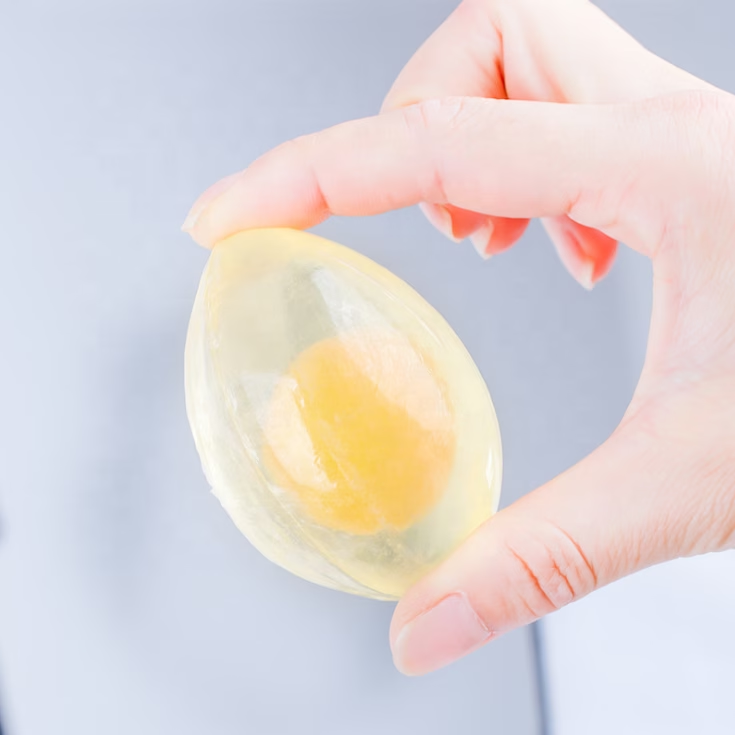
    Hand holding a translucent egg-shaped soap reference with a yellow-orange central area against a pale background
    Source image from the corresponding GUOCUI store listing. The visible shape and colors are reference features; the image does not verify ingredients, dimensions, net content, performance or production readiness.

    Begin with what the picture actually shows

    The reference shows a hand holding a translucent, rounded object with an egg-like outline and a yellow-orange central area. These are observations about the photograph. The central color is not an ingredient declaration. The hand is not a scale drawing, and the apparent size is not a confirmed dimension.

    For a buyer planning a private label soap project, the first useful instruction is therefore specific: which visible feature matters? Perhaps it is the outline, the contrast between two areas, or the way the item is presented. Mark that preference on the reference. Keep assumptions about composition and use out of the instruction until they have been reviewed.

    Give the visual reference and formula separate identities

    Use one reference code for the image and another for any formula or physical sample later supplied. A reference image can remain unchanged while the development route changes. Conversely, two visually similar samples may have different compositions. Calling both “the egg soap” makes it difficult to know which item a quotation or comment concerns.

    A compact project record can connect the store listing identifier, image filename, requested appearance and open questions. Add the sample code and revision only when those records exist. A missing field should stay marked “to confirm.” An empty field is easier to resolve than an invented value that quietly travels into artwork or an order sheet.

    Separate observations, requests and confirmed specifications

    Record typeExample for this projectQuotation treatment
    Image observationTranslucent outer area and contrasting center are visible.Reference only; no composition inferred.
    Buyer requestThe buyer would like a rounded outline and two visual areas.A development question, subject to review.
    Unconfirmed fieldDimensions, net content, composition and intended use are not established.Keep open or quote clearly defined options.
    Confirmed specificationA dated document identifies an agreed sample and its reviewed details.Use that version as the quotation reference.

    This distinction helps prevent a common handoff problem: a buyer approves a picture while the supplier prices an assumed product. Neither party has necessarily agreed the same scope. The written record should say what the reference contributes and which decisions remain unresolved.

    Build a quote with named options

    Ask for a base route and clearly named alternatives rather than one price attached to the photograph. The base route might describe the requested appearance, proposed pack format and an order range for review. Alternatives can address a different size direction, an additional color route or another outer package. These are requests to evaluate, not statements that the pictured product is available in those versions.

    Keep each alternative visible in the quotation. If one route needs further material or process review, say so beside that option. A lower headline price is not a useful comparison when another quote includes different packaging, artwork work or sample preparation. The buyer should be able to trace each quoted option back to the same list of inputs.

    Resolve packaging without guessing the sample size

    A photograph does not establish the clearance needed inside a box or the contact points of a protective insert. Begin by describing the channel and presentation goal: an individual item, a coordinated set or another format to discuss. Then ask which measurements and component drawings are needed before the pack can be costed.

    Artwork can start as an information plan. Decide where the product name, reviewed directions, required label information and buyer branding would go. Final dimensions and print files should follow the actual product and package decisions. Do not scale a carton from the hand in the source image or transfer a nearby listing’s measurements into this project.

    Send one brief the sample team can answer

    The most useful inquiry combines commercial context with a short decision list. It does not need a long ingredient wish list or an impressive claim. Provide:

    • The reference image or listing identifier and the visible features you want to discuss.
    • The intended product use, target market and sales channel, each stated separately.
    • Your preferred formula direction and any restrictions for technical review.
    • The size direction you would like assessed, with no assumption that the picture confirms it.
    • Packaging and artwork preferences, language needs and responsibility for supplying files.
    • An order range, delivery destination, sample requirement and desired launch window.

    GUOCUI BIO TECH / Guangzhou Guocui Biological Technology Co., Ltd. can use this information to organize a Private Label, OEM, ODM or Custom Formula discussion. MOQ and quotation can be confirmed after formula, packaging and order-plan review. Sample and production timing can be confirmed after the proposed scope has been checked.

    Close the quotation handoff in writing

    Before moving from discussion to an order decision, ask for one dated summary. It should identify the sample or specification version, the selected package, the included work and the unresolved questions. Keep appearance approval separate from any technical acceptance that has yet to occur.

    If the appearance changes during development, update the reference and state whether the quotation must be reviewed. If the formula changes but the photograph stays the same, update the technical record. This small distinction prevents an attractive image from becoming the only description of what the buyer expects to receive.

    Frequently asked questions

    Does the colored center identify an ingredient?

    No. A visible color area is an appearance observation. Ingredient identity needs corresponding formula or label documentation; it cannot be read from this photograph.

    Can the image establish net weight or dimensions?

    No. Ask for a measured, dated specification for the exact item being discussed. Do not estimate either field from the hand or surrounding composition.

    Can I request a different appearance or package?

    Yes, as a development request. Describe the change and ask for a feasibility review before treating it as an available option or approved specification.

    What is the first step toward a useful quotation?

    Send the reference together with intended use, market, packaging preference and order range. Ask which fields remain open and which sample or document will anchor the quote.

    Prepare the next discussion

    Browse GUOCUI Products and the Soap category to define the product category, review Customization options, or send your reference and open questions to GUOCUI. A useful starting brief makes the requested appearance clear while keeping unconfirmed technical details visible.

    When a physical sample is ready, use the facial cleansing bar sample QC checklist to organize a separate use and packaging review. The Skincare Industry Trends center collects dated research for future product discussions.

  • Seven-Sheet Mask OEM Brief: Read Ingredient Footnotes Before the RFQ

    Seven-Sheet Mask OEM Brief: Read Ingredient Footnotes Before the RFQ

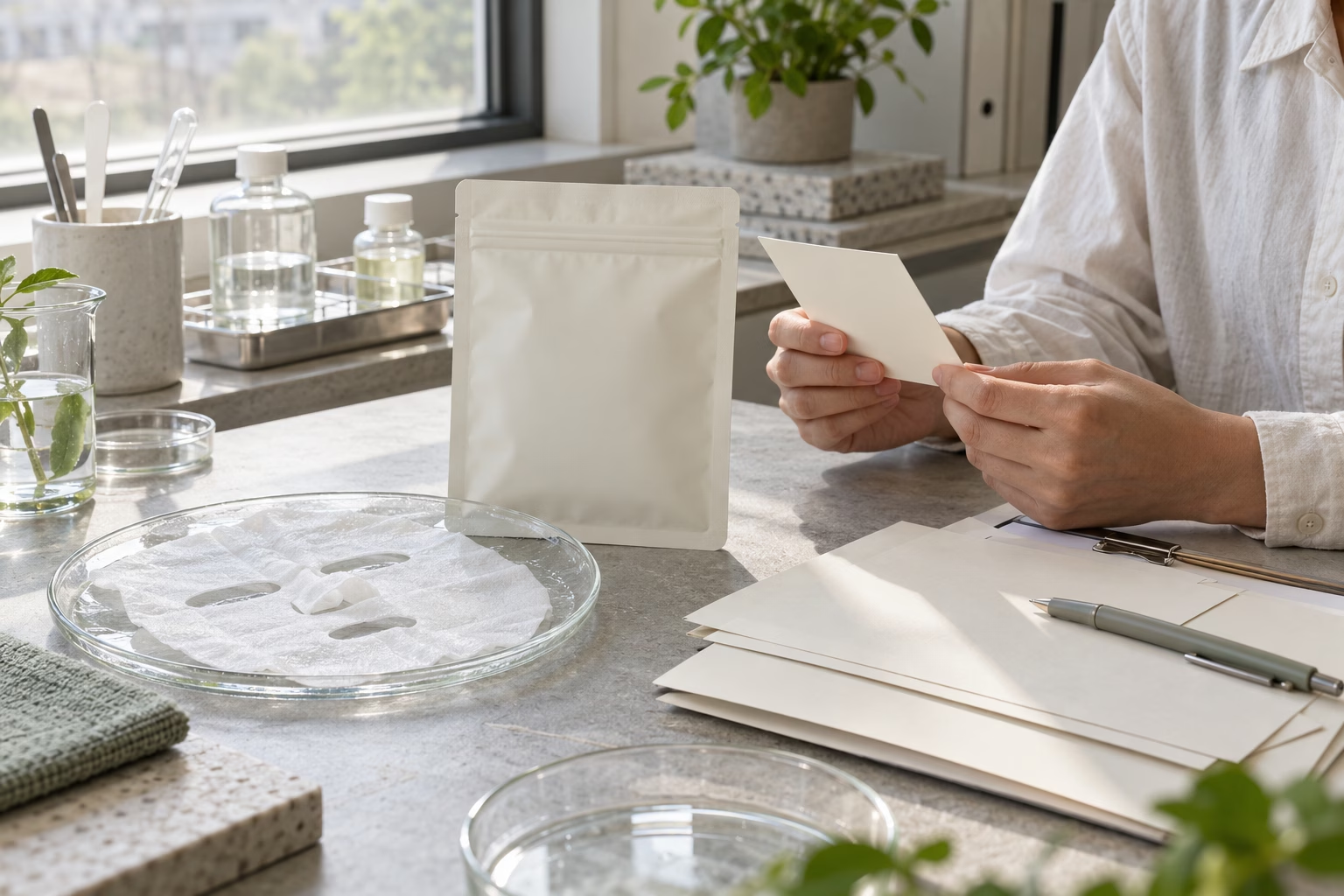
    AI illustration: a plain resealable facial-mask pouch, nonwoven sheet and blank specification cards at a sample-review table.
    AI-generated development illustration of a hypothetical mask-pouch and ingredient-document review. It does not show the source products, GUOCUI premises or staff, an approved formula, completed testing or QC, stock, capacity or shipment.

    Direct answer: a seven-sheet mask pack does not specify an ingredient percentage, a finished formula or a proven claim. For private label buyers, an October launch is useful when it prompts a clearer request for documents. Keep pack count, ingredient identity, raw-material specification and finished-product wording separate before requesting an OEM quotation.

    Evidence boundary: this brief reviews a company announcement dated 23 October 2026 and two current Japanese retailer listings read on 27 October. It describes published product information. No order, delivery, laboratory work or natural-demand sequence was verified.

    Verified facts: two products, one pack-count format

    In its 23 October announcement, the Japanese company behind My Beauty Diary described two seven-sheet daily-mask products and a rolling launch from that date. The announcement lists online channels; that list is a company distribution statement, not evidence of completed sales across those channels.

    Current @cosme SHOPPING pages separately identify the Glutathione Brightening Mask, JAN 4713575153403 and the NMN Aging Care Mask, JAN 4713575153410. Both list seven sheets and 125 mL. Each has its own ingredient list. The listings corroborate product identity and declared pack information; they are not independent formula tests or fulfilled-order records.

    Verified facts: read the qualifier beside the ingredient

    The NMN description refers to an ingredient with 99% purity. That is a raw-material statement; it does not disclose 99% NMN in the finished mask essence. The announcement’s retinol footnote names retinyl palmitate, which also appears in the retailer ingredient list. Its plant-derived PDRN footnote identifies DNA-Na and ginseng-root extract. None of these disclosures supplies a complete manufacturing formula, an active percentage or evidence for a GUOCUI product.

    Product names and translated ingredient headlines should therefore stay attached to the exact SKU and its footnotes. A common seven-sheet presentation does not make the two formulas equivalent.

    GUOCUI factory-side inference: improve the document request

    The practical sourcing response is to ask for a reviewable proposal. GUOCUI already maintains a Multi-Sheet Hydration Mask Pouch development direction. This news does not create another GUOCUI formula or add a new approved ingredient route.

    Keep four questions visible in the buyer brief:

    • What is the proposed ingredient? Ask the formulation reviewer to reconcile its label name, supplier identity and relevant specification. A marketing family name alone leaves that question open.
    • What does a percentage describe? Record whether it belongs to a raw material, a commercial blend or the finished formula. Request the underlying document rather than copying a number onto artwork.
    • What is actually being sampled? Keep the formula revision, sheet and filled pouch identified together. Existing pack-review checks remain with the catalog owner; this announcement does not approve them.
    • What wording is supported? Give the destination market, intended use and proposed cosmetic claims to the appropriate reviewers. An ingredient listing alone does not authorize regeneration, age-reversal or medical language.

    A simple hydration-focused proposal can be discussed without making NMN, DNA-derived material or a retinoid a prerequisite. Ingredient feasibility and finished-product evidence still need project review. Reducing the number of fashionable ingredients is a development choice, not a guarantee of safety or performance.

    Not claimed

    This brief does not establish a global first launch, natural popularity, sales growth, market demand, fulfilled retail orders or ingredient efficacy. It does not verify a finished GUOCUI formula, completed testing, available stock, factory capacity or legal clearance. The source brand’s photographs, packaging, proprietary wording, ingredient combination and use schedule are not part of the GUOCUI development proposal.

    Buyer FAQ

    Does 99% raw-material purity mean a 99% finished formula?

    No. They describe different things. Ask which material and document the number belongs to; the source disclosure does not provide the finished-product percentage.

    Can retinol and retinyl palmitate be treated as interchangeable labels?

    Do not substitute one name for the other. In this announcement, the footnote and retailer list identify retinyl palmitate. Review the actual proposed ingredient and destination wording.

    Does a seven-sheet pack establish seven days of use?

    It establishes the declared count. Instructions, frequency and any period after opening belong to the reviewed product and its supporting evidence.

    Does GUOCUI need to copy these ingredients?

    No. Buyers can brief an original hydration direction. Formula, sheet, pouch, claims and documentation are reviewed for that project.

    What should be sent before asking for price and timing?

    Send the market, channel, ingredient preferences, proposed claims, pack count, quantity range and artwork languages. MOQ, quotation and sample or production timing depend on formula and packaging review.

    Continue with the existing product brief

    Read the multi-sheet mask quotation checklist, browse Products and review Private Label / OEM / ODM customization. GUOCUI BIO TECH / Guangzhou Guocui Biological Technology Co., Ltd. is the supplier entity for this inquiry. Send a multi-sheet mask brief, or follow dated research in Skincare Industry Trends.

  • Foam Essence OEM Brief: Specify the Dispenser Before the Sample

    Foam Essence OEM Brief: Specify the Dispenser Before the Sample

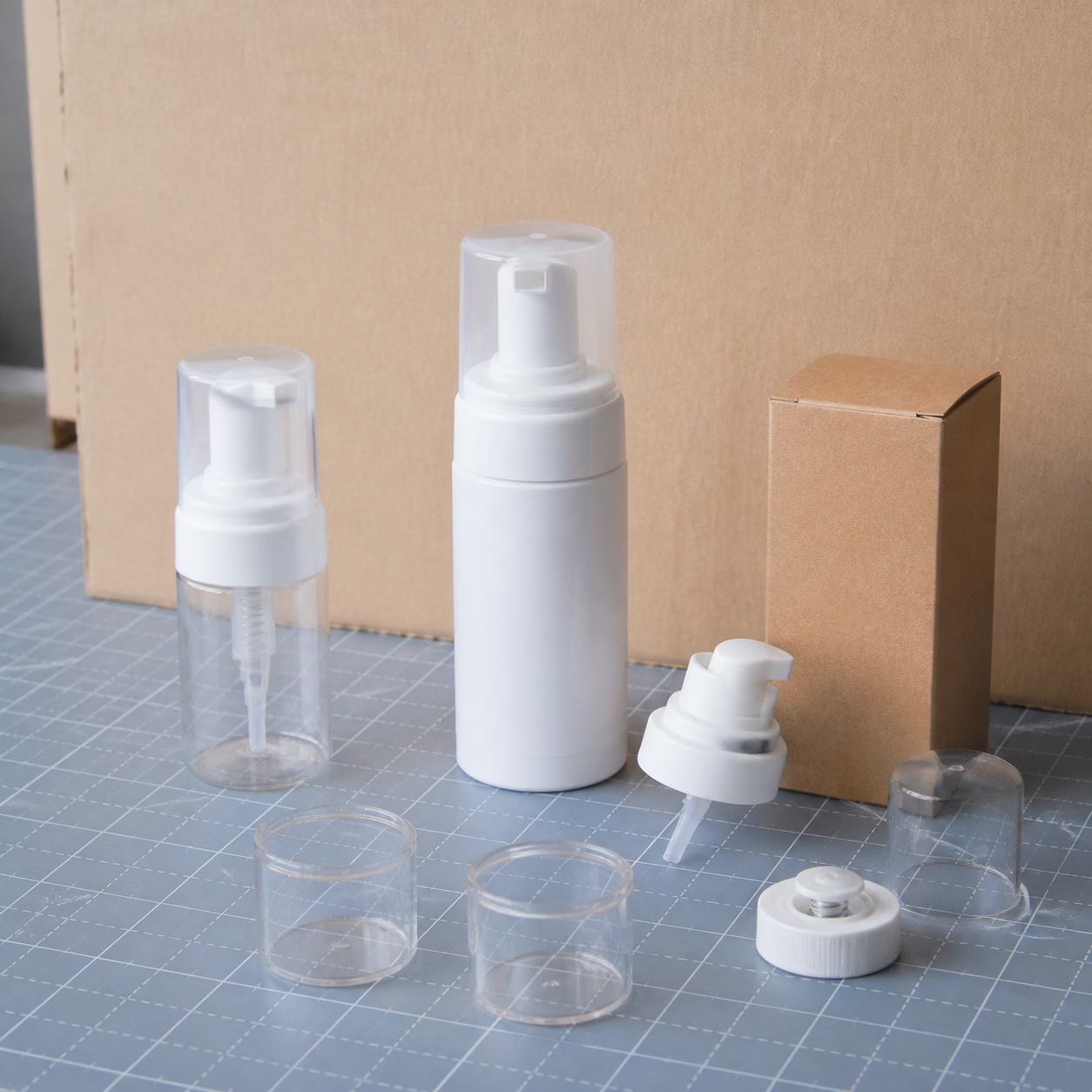
    AI-generated development illustration: plain mechanical foamer bottles, loose components and blank packaging for a fine-foam essence review.
    AI-generated development illustration reused from the original GUOCUI fine-foam essence concept. It does not show a source product, an approved formula, available components or actual GUOCUI factory work.

    Direct answer: a foam skincare announcement is a reason to clarify the formula, dispenser and intended use before requesting samples. It does not make a mechanical foamer equivalent to a pressurized pack, and it does not establish a new formula, growing demand or finished-product performance. GUOCUI already has a fine-foam facial essence development program; this brief improves that existing sourcing conversation.

    Evidence boundary: an ORBIS company release published 15 October 2026 states a limited launch on 20 October. Its exact product page and two undated supplier pages were reviewed on 26 October. The dated release supports the announced product format and launch statement. Supplier pages provide background on dispensing, without establishing recency, GUOCUI supply readiness or buyer demand.

    Verified facts: a specific announcement, with a specific dispensing route

    In its 15 October company announcement, ORBIS describes a leave-on foam mask and gives 20 October as the limited-launch date. The release identifies carbon dioxide as a propellant. This is a source-company product statement. We have not placed an order, verified fulfillment or independently tested its formula, and the announcement is not evidence of market-wide growth.

    The exact official product page is useful for checking the product’s own identity and instructions. It belongs to the same company source group as the announcement, so it is not an independent second demand signal. Public product details should remain attached to that product rather than be transferred to a private-label specification.

    Separately, Alchemy Ingredients publishes a non-aerosol foam-mask formulation idea, while Jarsking’s pump guide discusses matching a mechanical foamer to its liquid. These are undated supplier references. They show that dispensing routes can be discussed separately; they do not prove that a particular supplier formula, component or leave-on use is suitable for GUOCUI.

    GUOCUI factory-side inference: start with the pack and use decision

    The useful question for a Private Label / OEM / ODM / Custom Formula buyer is narrower than “can you make this foam?” Ask which dispensing route is being reviewed, what the user will do with the dispensed product, and which sample represents that proposal. A mechanical foamer brief should have its own formula identity, component version and sample observations. A pressurized route needs its own qualified filling, packaging and transport review.

    Our existing facial essence program already covers foam density, collapse, spread, finish, pump recovery and packaging choices. We therefore retain that product owner instead of creating another catalog item from the same format. The practical review is to record delivered product dose separately from the foam’s visual size. A convincing mound in a photograph cannot replace a measured delivery record or support an ingredient concentration claim.

    Three records to prepare at the sample table

    1. Delivery: identify the formula, filled pack, component version, priming state and complete strokes. Agree an appropriate collection and measurement method, including how outlet residue is handled. Leave tolerances and repetitions to the project reviewers.
    2. Appearance: photograph the dispensed foam at defined observation points. Record structure, spreading and collapse using the same comparison conditions. Keep these observations distinct from the amount of product delivered.
    3. Intended use: specify the application area, proposed rinse or leave-on instruction, dose language, after-feel target and destination market. Review the evidence needed for that proposal before approving copy or artwork.

    These are connected records, not interchangeable approvals. A dispenser may produce an attractive foam while the use instructions or formula suitability remain unresolved. A sample revision can also change more than appearance: the next review should identify which formula, component and artwork decisions are reopened.

    What this changes in a buyer’s quotation request

    Send the target country, sales channel, intended use, preferred essence feel, fragrance direction, pack family, capacity preference and estimated quantity range. Include authorized logo files, label languages and the proposed launch window. Ask the team to separate formula sampling, primary packaging, decoration, carton and any specialized dispensing review when those need different decisions.

    MOQ, quotation and sample or production timing remain project variables. A retail price or limited-launch date cannot establish GUOCUI cost, minimum order, manufacturing readiness or delivery time. Review the B2B product catalog, the Customization service and the linked fine-foam essence program before sending the brief.

    Not claimed

    This brief does not claim natural sales velocity, search growth, consumer demand, formula equivalence, clinical benefit, patent clearance, approved leave-on suitability or confirmed supplier availability. No source photograph, trademarked complex, ingredient combination, signature packaging or usage schedule is transferred to a GUOCUI product. Any development illustration is a concept image, not proof of GUOCUI premises, personnel, completed testing or current production.

    Buyer FAQ

    Can a mechanical foamer use the same instructions as a pressurized foam product?

    Instructions belong to the accepted formula, dispenser and intended use. Similar-looking foam does not establish equivalence, so the proposed route needs its own review.

    Does foam height show the amount of moisturizer or active delivered?

    No. Record delivered product dose using an agreed method and evaluate foam appearance separately. Neither observation alone establishes ingredient concentration or performance.

    Is this a new GUOCUI stock product?

    No. The existing fine-foam facial essence catalog item is an inquiry-only development direction. Formula, packaging, evidence, quotation and timing require project review.

    Follow Skincare Industry Trends for dated sourcing evidence, or send GUOCUI a fine-foam essence brief. GUOCUI BIO TECH / Guangzhou Guocui Biological Technology Co., Ltd. can organize the formula, packaging, label and export questions around your project.

  • Hair Mask OEM Brief: Separate Launch Dates from Sample Decisions

    Hair Mask OEM Brief: Separate Launch Dates from Sample Decisions

    Evidence window: company announcements published on 20–21 October 2026, checked on 26 October 2026. The 8 October supplier item below is development background. Undated product and OEM pages establish identity or page organization only. Planned November and December activity remains future activity.

    Direct answer: recent hair-mask announcements give private label buyers a reason to brief a separate conditioning step. They do not establish rising demand or validate a formula. Decide whether the range needs a rinse-off cream, then define the hair sample, desired finish and filled-pack review before adopting ingredient stories or launch dates.

    The accompanying image is an AI-generated development illustration. It does not document GUOCUI premises, staff, an approved formula, actual hair testing, completed QC, stock, capacity or shipment.

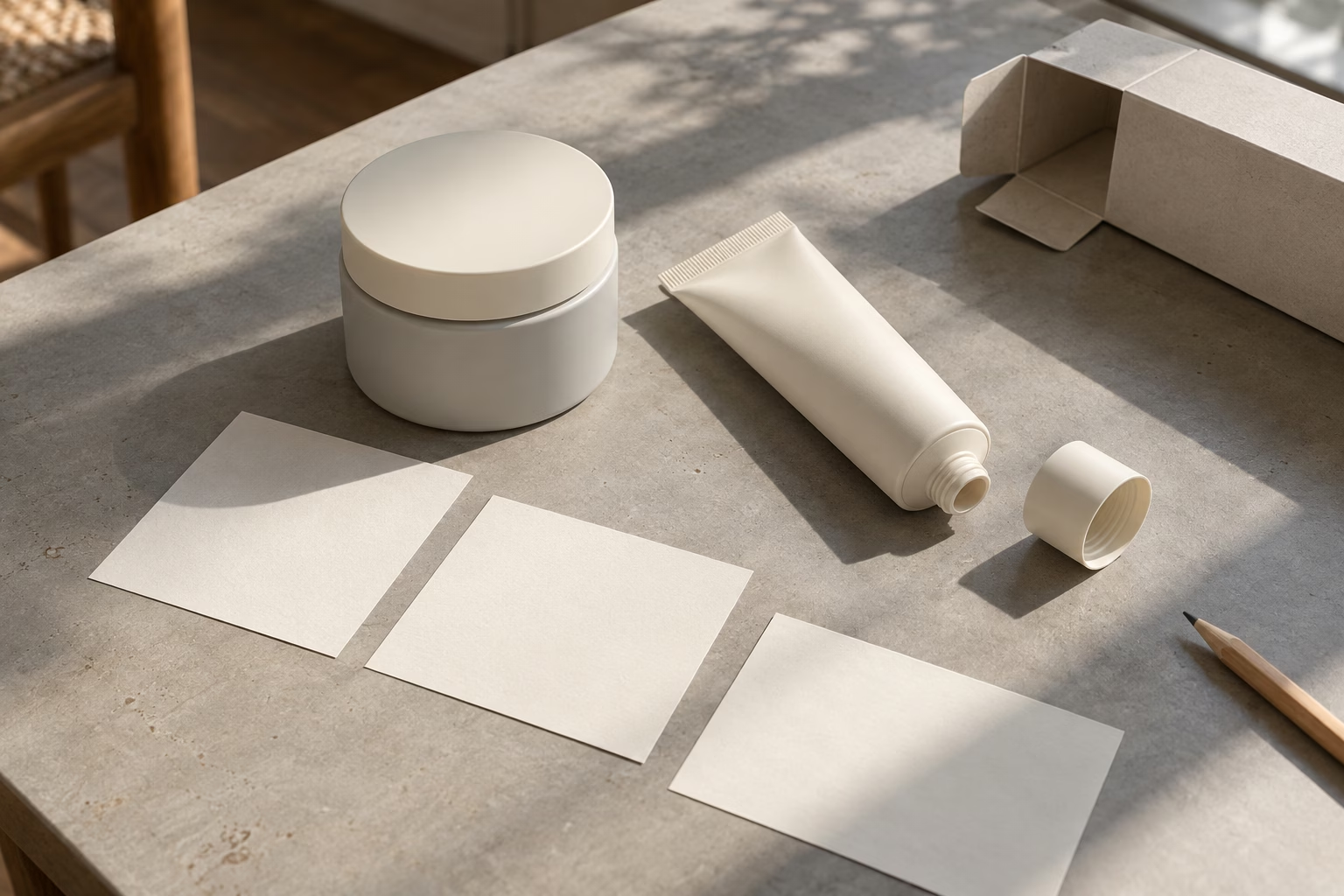
    AI illustration: AI development concept of a haircare sample planning table with plain jar and tube packaging and blank review cards.
    AI-generated development concept illustration. Packaging, texture and workflow scenes are illustrative and do not represent validated formulas, approved packaging or actual factory operations.

    Verified Facts: One Stated Launch and One Future Pipeline

    BottleWorks’ 21 October company announcement states that its SECOND IMPACT hair mask began selling through its official online site that day, with wider Japanese retail distribution planned from 1 December. This is the company’s launch statement; no order, delivery or sell-through was independently checked. The brand’s exact mask page identifies a cream-format product separately from its shampoo and treatment. Both pages belong to the same company source group.

    Beauté de Mode’s 20 October byTREES release announces a mask and a separate hair mist. It schedules the first listed channels from 13 November and another retail group from 30 November. Those dates had not arrived at this brief’s cutoff. An announcement published in October is therefore not evidence that the products were already purchased or delivered in October.

    As background, BASF’s 8 October supplier announcement discusses skin and hair formulation concepts and sensory development. It supports treating feel as a development variable; it does not verify these brands’ formulas, GUOCUI production readiness or consumer results. An undated OEM hair-mask page was reviewed for its sample-first, formula, packaging and inquiry organization. Its capabilities and claims are not transferred to GUOCUI.

    GUOCUI Factory-Side Inference: Give the Mask Its Own Brief

    The practical opportunity is a clearly identified product role. A cleansing shampoo, a separate rinse-off conditioning cream and a leave-in spray can sit in one range while requiring different formulas, methods and packs. A shared hair-care story does not make their sample results interchangeable.

    For a Private Label / OEM / ODM / Custom Formula project, begin with an independently developed conventional conditioning cream. Describe the intended adult hair-care customer and desired finish without importing a source brand’s protein system, microcapsules, technical names or repair narrative. A lighter rinse target and a richer cream target can be compared as proposals. Neither is an approved outcome before evaluation.

    The GUOCUI rinse-off conditioning hair mask development review uses an ordinary jar-and-scoop concept. It separates cream behavior from package access, closure and label decisions. Formula feasibility, applicable safety work and the actual manufacturing scope remain subject to project review.

    A Short Checklist for the Sample Table

    • Identify the hair sample, preparation and proposed rinse-off step. Agree the comparison method and observation times with the technical reviewer.
    • Connect each formula code with amount, application, rinse and drying conditions. Record wet combing feel, dry finish and residue separately.
    • Assess the selected cream inside its actual jar, closure and liner. Review wet-hand access, rim residue, cream removal and compatibility.
    • Keep formulation, component and artwork versions together. A tube, refill or fragrance change may reopen the relevant checks.
    • Confirm the required documents, quotation variables and remaining approvals before setting a commercial schedule.

    Not Claimed

    This brief does not claim a global hair-mask surge, sales growth, verified natural social momentum, independently tested repair performance or approved GUOCUI supply. Source ingredient percentages, proprietary blends, comparative tests, distinctive packs and brand imagery are not copied into the product direction. A company’s future channel plan is not actual distribution.

    Buyer Questions

    Does an announced launch prove demand?

    No. It establishes a dated company statement. Actual sales, delivery and natural demand require their own evidence and time boundary.

    Can a shampoo sample approve a separate mask?

    No. The mask needs its own formula, method, packaging and acceptance criteria. Shared branding does not close those decisions.

    What should a buyer send before asking for a price?

    Send the market, channel, intended routine, texture and fragrance targets, packaging idea, quantity range, languages and launch window. MOQ, quotation and sample or production timing can be confirmed after formula and packaging review.

    Buyer takeaway: use the dated announcements to open a development question, then approve a defined formula-to-pack system with evidence from the actual project.

    Explore the Skincare Industry Trends center, Products, Hair Care and Customization. GUOCUI BIO TECH / Guangzhou Guocui Biological Technology Co., Ltd. is the supplier entity for this inquiry. Send your hair-mask sample brief.

  • Skincare Industry Trend Brief: Neck Patches Need Their Own Fit and Sachet Review

    Skincare Industry Trend Brief: Neck Patches Need Their Own Fit and Sachet Review

    Evidence boundary: this brief reviews public announcements dated 13–19 October 2026 and their stated product dates through 23 October. Sources were checked on 23 October 2026. An announced launch date is not proof of completed orders, sales growth or consumer demand.

    Direct answer: a neck-specific hydrogel patch needs a separate intended-use, fit, liner and filled-sachet brief. An existing facial mask can supply questions to investigate, but its shape, wear directions, clinical work or packaging result cannot approve a neck application. For Private Label / OEM / ODM buyers, the useful response is a documented sample request with clear boundaries.

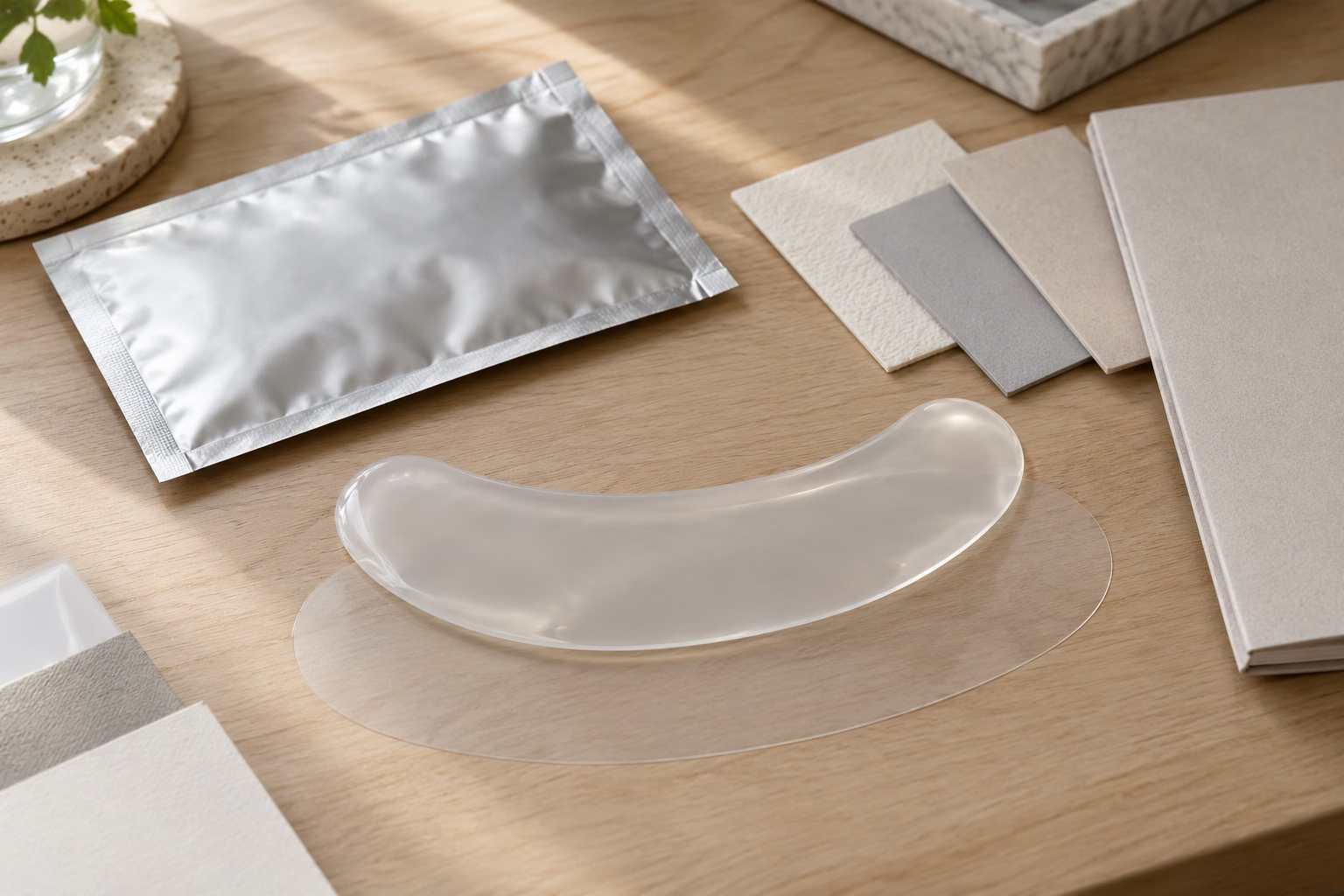
    AI development illustration of a smooth gel strip on a separate liner with a blank sachet material swatches and unmarked sample-request folder
    Original AI development illustration of a GUOCUI concept, not a reference-brand product, real facility or completed test.

    Verified facts: a neck format and two different launch stories

    In a 19 October company announcement, Biodance introduced neck hydrogel patches, separately identifying collagen-peptide and caviar-PDRN versions and stating online availability from that date. This confirms the company’s dated format announcement. We did not place an order or verify fulfillment. Its brand-level sales and older facial-mask study do not establish performance or demand for the new neck products.

    A 13 October announcement from the Japanese distributor of STEP by rom&nd describes a 23 October introduction through specified retail chains. The range includes a milky essence and a two-phase mist. Store start dates may vary. This is a separate routine and channel announcement, not evidence that every outlet has stock or that those formulas suit another body area.

    Meanwhile, Sugi’s 14 October DRIP TUNE announcement gives 21 October for an advanced fermented serum. Its percentage discussion names both a retinoid ingredient and a solvent in the footnote. Buyers cannot interpret a commercial blend’s addition level as a verified pure-active concentration. These three announcements describe different product decisions; one shared trend word does not combine their evidence.

    GUOCUI factory-side inference: make the application area a specification

    The neck-patch announcement creates a practical development question: what changes when a gel format moves from the face to a different application area? This is our factory-side inference, not a finding from a completed GUOCUI test. Start by identifying the proposed area, outline, handling priorities and instructions that require assessment.

    A neck cream, a facial sheet and a removable gel patch have different use and package questions. A cream brief focuses on dispensing, spread and after-feel. A nonwoven sheet adds wet strength and folding. A gel patch with a release liner adds separation, integrity and placement questions. Keep the product identity specific enough that reviewers know which system is being evaluated.

    Four linked decisions before sampling

    • Intended area: specify the proposed neck placement and setting. Appropriate safety and use assessment must support final directions.
    • Gel and outline: describe an ordinary smooth surface, feel and open-strip proposal. Material feasibility, handling and area-specific fit remain to be assessed.
    • Liner and pouch: request a separate liner and individual sachet. Review filled-pack compatibility, opening, integrity and seals.
    • Commercial unit: define patches per sachet and sachets per carton. Align that unit across specification, artwork, quotation and packing list.

    The rows are linked. Changing gel composition may change liner separation or pouch behavior. Changing the outline may change insertion, opening or label illustrations. Keep the formula, cut pattern, liner and sachet version beside each coded sample. A successful demonstration with an empty pouch does not establish the filled product’s behavior.

    A clean-room direction leaves distinctive mechanisms behind

    GUOCUI’s proposed response is an ordinary smooth cosmetic gel patch with an independently specified open strip, separate liner and plain individual sachet. No reference-brand pixels, package design, proprietary complex or distinctive surface structure belongs in the development artwork. Component feasibility and rights remain subject to review.

    The concept does not transfer branded ingredient combinations or concentrations. It supplies no micro-needle, penetration, wrinkle-treatment, post-procedure or clinical-performance story. Optional ingredient discussion begins with the buyer’s ordinary cosmetic moisture brief and the documents available for that market. A simpler concept makes the unresolved questions easier to see; it does not remove assessment requirements.

    What a buyer can do with this information now

    Prepare one brief that identifies the intended neck area, smooth-gel proposal, liner, sachet and desired sample comparison. Add the target country, channel, ingredient exclusions, label languages and commercial quantity unit. Ask the development reviewers to define suitable methods and decision criteria rather than requesting an unsupported universal wear time.

    Quotation depends on formula, materials, cutting, packaging, artwork, quantity, documentation and shipping plan. Sample and production timelines can be discussed after those inputs are reviewed. An announcement’s retail price or pack size does not determine GUOCUI’s price, MOQ or manufacturing schedule.

    Not claimed

    This brief does not establish market growth, natural review velocity, supply availability, a patent clearance, a completed sample, regulatory approval or finished-product performance. It does not apply another brand’s sales, study or ingredient evidence to GUOCUI. AI illustrations show a development discussion; they do not document actual facilities, workers, approved components or testing.

    Questions from private label buyers

    Can an existing face-mask specification be reused?

    It can help organize questions, but the proposed neck application, shape, formulation, handling and directions need their own assessment and version record.

    Does a new neck patch require branded delivery technology?

    No such mechanism is part of the GUOCUI concept. The proposed ordinary smooth gel surface keeps special structures outside the brief; feasibility and rights still require review.

    Does the announced date prove that a product is selling well?

    No. It establishes the stated announcement or schedule. Actual fulfillment, comparable sales and natural demand need separate evidence.

    What should be approved before commercial planning?

    The selected formula, intended-use scope, patch outline, liner, filled sachet, instructions and artwork should be linked to the agreed assessment and approval records.

    Turn the format observation into an inquiry

    Use the Skincare Industry Trends center, browse GUOCUI Products and review the smooth hydrogel neck patch development direction and compare the separate neck cream direction. Review private label and OEM/ODM customization, then send your proposed neck-patch sample brief to GUOCUI BIO TECH / Guangzhou Guocui Biological Technology Co., Ltd. Product links describe development conversations, not verified stock or an order commitment.