Evidence boundary: The 6 October 2026 update covers a 1 October cream-cleanser launch stated in an 18 September company release, with current product and supplier pages reread on 6 October. The 20 August and 21 September sections remain dated background, including their packaging-policy discussion. Listing, factory inference and unknown fulfillment remain separate; no sales, search growth or formula equivalence is claimed.
Direct answer: what changed on 20 August 2026?
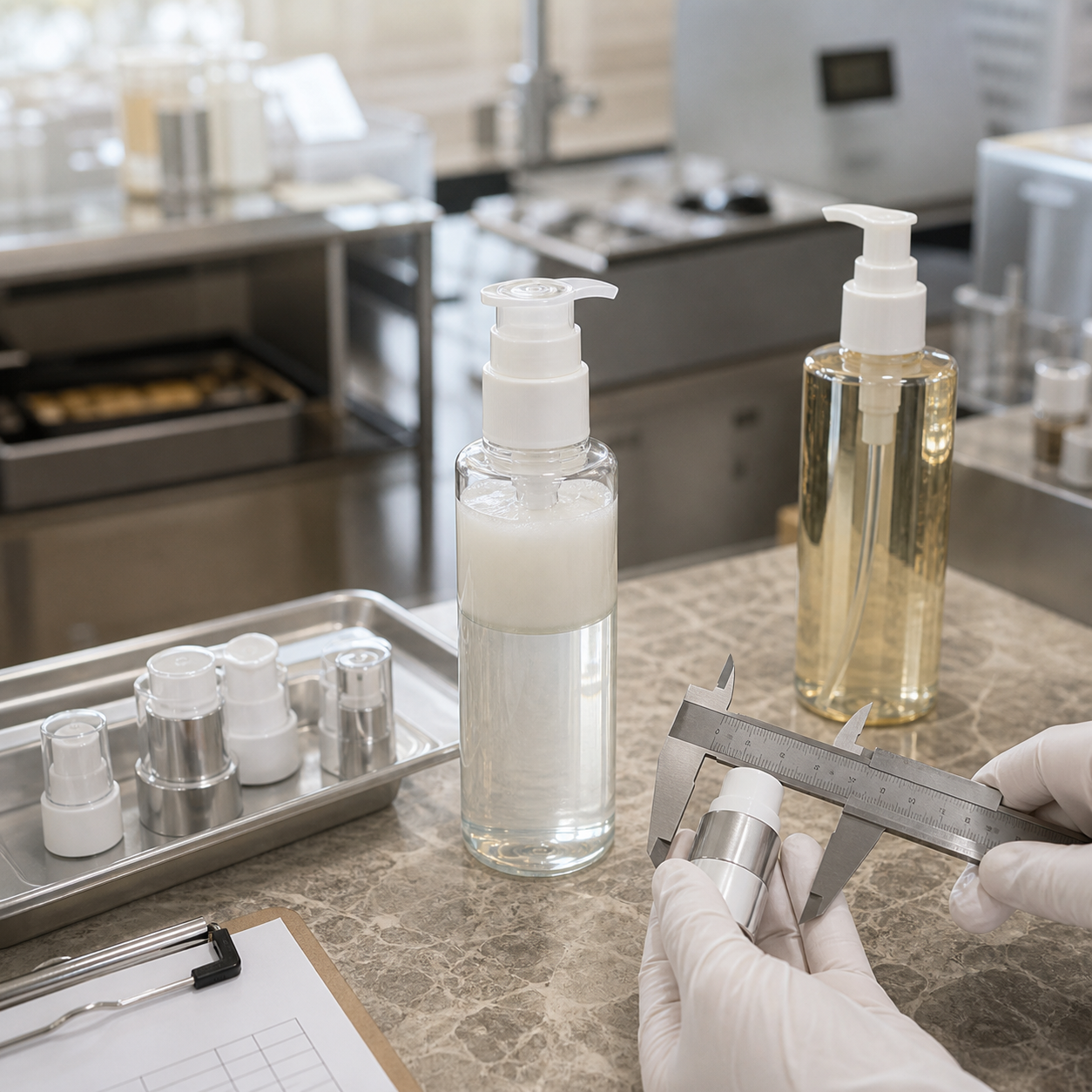
Three buyer-relevant signals moved at the same time. A dated Japanese launch put a visibly separated toner-and-emulsion format into a simple shake-and-use routine. A second dated launch made cleansing-oil speed, rinse residue and pump handling easy to inspect. Separately, Sephora and CJ Olive Young began a curated K-beauty rollout across more than 500 US stores and Sephora.com. For a private-label buyer, the useful conclusion is not “copy these products.” It is to ask for better sample evidence: remix behavior, low-temperature stability, pump leakage, rinse residue, component records and channel-ready labels.
Verified facts, factory inference, and what is not claimed
| Evidence layer | What can be said | Buyer action |
|---|---|---|
| Verified facts | BCL dated a two-phase 180 mL toner launch for 20 August; ALBION lists a cleansing oil launched on 18 August with a full ingredient list; Sephora describes a 19-brand US assortment in 500-plus stores and online. | Record exact dates, formats, source URLs and the market where each fact applies. |
| GUOCUI factory-side inference | Visible remix, rinse and pump checks can become a clearer B2B sample-review program than an ingredient-only pitch. | Define pass/fail checks before formula and component quotations are compared. |
| Not claimed | No source proves that these formats are best sellers, that one SKU is driving the channel event, or that a GUOCUI sample will perform like a referenced retail product. | Do not convert “new,” store count or brand statements into demand, efficacy or sales claims. |
Signal one: two-phase hydration needs a remix specification
The useful part of the BCL release is the product structure: an emulsion layer and a lotion layer are intentionally combined before use. That makes separation visible, but it also creates practical questions. How long should the bottle be shaken? How quickly may the layers separate again? Does the formula remix consistently after cold storage and transport vibration? Does the bottle dispense cleanly without dribble or uneven phase pickup?
Use an original formula, package identity and artwork. For coded samples, agree remix and after-feel targets, storage conditions, dispensing observations and residue checks. These are development criteria rather than proven finished-product claims.
Signal two: cleansing oil should be judged at the sink and in transit
The ALBION product page provides a dated exact SKU and ingredient disclosure. GUOCUI does not reuse that formula, name, pink package or product photography. The factory-side lesson is narrower: cleansing-oil decisions can be made with observable tests. A buyer can compare makeup lift, emulsification time, white-plate rinse residue, eye-area caution wording, pump recovery, cap or lock security, and leakage after a simulated shipping orientation check.
Compare original formula and closure routes. Agree fragrance, capacity, label stock and travel-pack needs before quotation; component supply and decoration affect cost and timing.
Signal three: channel expansion is not single-SKU demand proof
The Sephora Newsroom announcement states that 19 Olive Young-curated Korean beauty brands entered more than 500 US Sephora stores and Sephora.com beginning 20 August. This is verified distribution evidence. It does not establish sales, rankings or review velocity for any individual item.
Specify the channel, hero format, labels, claims, carton, tester needs and evidence requirements. Monitor exact SKUs independently; the retail event does not authorize copying package identity.
Packaging proof now belongs in the RFQ
The EU Packaging and Packaging Waste Regulation applies from 12 August 2026, while individual duties and transition points still depend on the article, role, material and timing. Buyers should read the official EUR-Lex text and obtain market-specific advice rather than treating one generic statement as compliance approval.
Record component materials, available weights, decoration, refill options, destination and final-review responsibility. This supports a packaging discussion; it does not certify compliance.
21 September review: dry-hand makeup gel needs its own use test
Verified facts: pdc’s 180 mL cleansing gel specifies dry-hand application then rinsing. Its company release separates 18 August advance orders from 14 September general sale/manufacturer shipping; store dates vary. Reread on 21 September, this September milestone does not reset first sale.
GUOCUI factory-side inference: compare dry-makeup application separately from wet-skin face washing. Fix the makeup film, drying interval, gel mass, contact method and rinse conditions. Record residue separately from slip. Measure filled-pump output before comparing pump counts, and link formula, actuator and instruction versions.
Not claimed: sales growth, natural demand, equivalent removal, eye-area safety, lash compatibility or GUOCUI use of the source ferment complex. Branding, packaging and proprietary claims stay excluded.
Define a dry-hand makeup cleansing gel project with the gel sample checklist. The next evidence is a coded formula and filled-pack assessment, with safety and claim review before artwork approval.
6 October review: approve the cream use sequence separately
Direct answer: a cream-texture makeup cleanser adds a different sampling question to the existing oil and gel routes. Assess dispensing, spreading, water addition and rinsing as separate observations before accepting instructions or packaging.
Verified facts: KINARI’s 18 September company release dates Asmy’s cream cleanser to 1 October 2026; the holiday set is scheduled for 2 November. Checked on 6 October, the official product page identifies product 10152, 120 g, a full ingredient declaration and a cream-to-oil-feel use sequence. These are listing and company-statement facts, not independently verified fulfillment or demand.
GUOCUI factory-side inference: fix the makeup film, cleanser mass and spreading conditions; record any sensory transition separately from visible residue. Agree water-addition and rinse conditions, then review regular and mini filled tubes individually. Link formula, component and instruction versions. A sample’s changing slip alone cannot approve removal wording.
Not claimed: sales growth, formula equivalence, a ready GUOCUI formula, sensitive-skin safety, waterproof removal or lash compatibility. Source branding, distinctive artwork, formulation and claims remain excluded.
TY Cosmetic’s cleanser page lists cream/milk formats and tube/pump options. This is supplier-format background, not demand evidence or confirmation of GUOCUI availability. Discuss an original cleansing cream sample brief through Customization and send the intended use and pack plan.
A focused OEM/ODM validation checklist
- Define one hero and its tester or mini, with original formula and component routes.
- Record use conditions, filled-pack behavior, sample codes and requested technical reviews.
- Confirm claims, artwork, quote variables and approval versions before production planning.
What GUOCUI needs before a sample discussion
Send market, channel, use sequence, texture, fragrance, filled-pack requirements, quantities, artwork and launch window. MOQ, quotation and sample or production timing follow formula, packaging and order-plan review.
Start with the GUOCUI B2B product catalog, review the current texture and rinse review program, see packaging component review questions, or read the Skincare Industry Trends center. For a buyer-specific route, use Customization and then send the project brief.
FAQ for private-label buyers
Does an oil-like cream feel approve removal claims?
No. Assess the sensory change, residue and filled-pack instructions separately. The final formula, intended use and evidence determine claims.
Does a two-phase appearance prove formula stability?
No. Intentional separation still needs a defined remix target, appearance checks and suitable stability, compatibility and microbiological review for the finished brief.
Can GUOCUI copy the referenced Japanese launches?
No. Public sources are research evidence only. A GUOCUI project uses a new formula brief, separately sourced components, original artwork, original images and conservative claims.
What is the minimum useful cleansing-oil sample test?
Compare makeup lift, emulsification, rinse residue, pump behavior and leakage using the exact filled sample and component route proposed for the project.
Does 500-plus stores prove a product is selling quickly?
No. It verifies distribution reach for a curated assortment, not sales, ranking, inventory velocity or review growth for an individual SKU.
Can GUOCUI guarantee PPWR compliance?
No. Responsibilities depend on the exact package, role, market and applicable provisions. GUOCUI can help organize component and artwork information for the buyer’s final review.
How are MOQ, price and lead time confirmed?
Quotation and timing depend on formula, components, capacity, decoration, quantity range, requested checks, carton plan and shipping destination. They are confirmed after the brief is reviewed.
12 October action review: distinguish balm transfer from rinse appearance
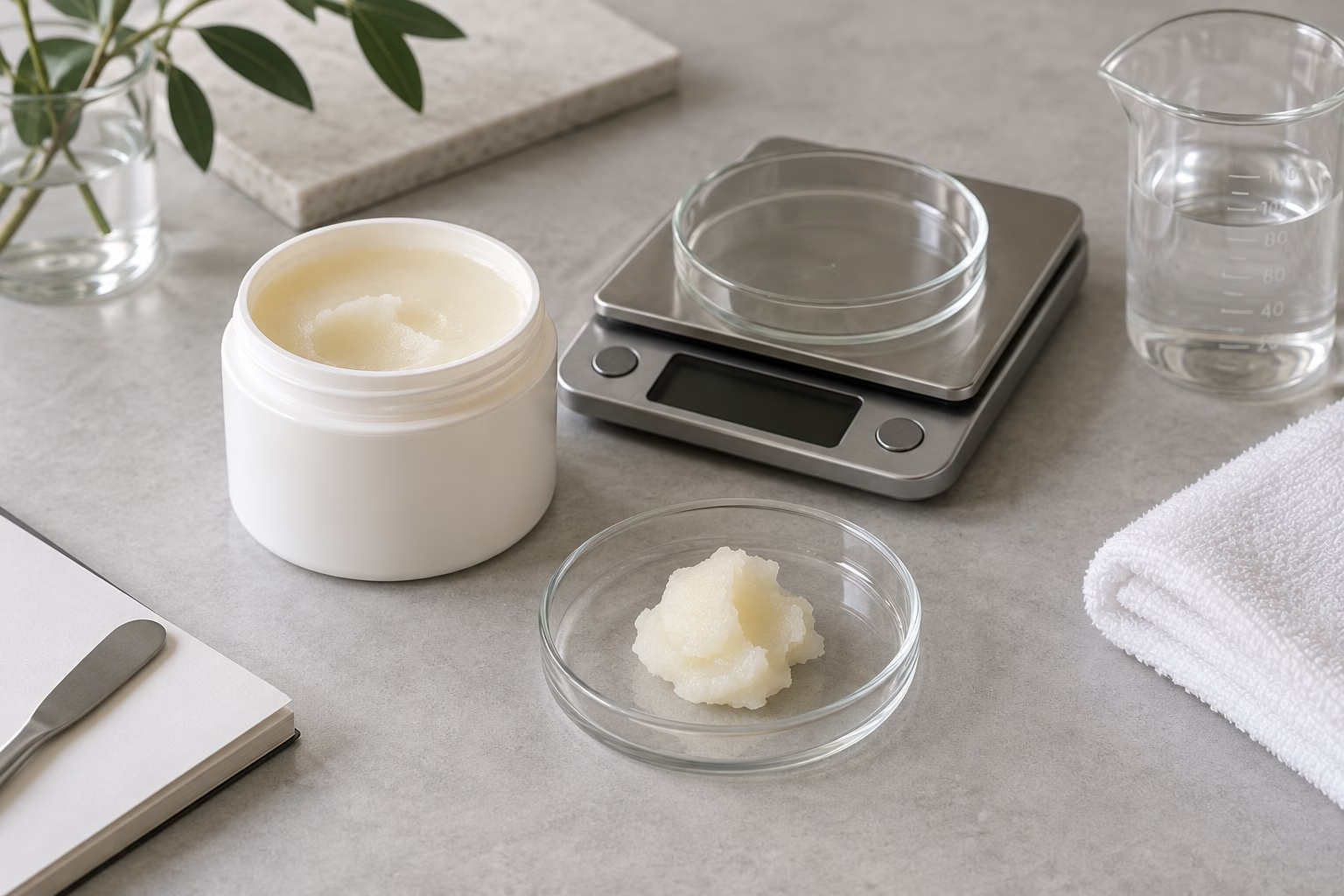
Direct answer: a balm-format sourcing review should identify the portion reaching the test surface and use separate controls to explain visible rinse film. Package movement, fragment shape and milky appearance cannot approve an application amount or a removal claim.
Verified facts and dates: the latest reviewed daily selection report is dated 5 October 2026. The 18 September company release and current cream-cleanser listing, reread on 12 October, retain the earlier cream-format evidence. They do not establish a new balm launch. This action update follows an internal product-source review; it adds no newly verified market-growth or sales fact.
GUOCUI factory-side inference: start the existing low-melt cleansing balm program with an ordinary jar and spatula. Record actual transferred portion separately from utensil residue and handling loss. On a suitable non-skin screening surface, retain an untreated makeup reference and compare water-only, balm-only and makeup-plus-balm observations. The balm-only control helps distinguish the formula’s own film from the combined result. Keep sample identity, conditioning history, lighting and use method linked to the photographs.
Not claimed: this is a proposed buyer review method, not a completed test, validated consumer instruction, freedom-to-operate conclusion, finished-formula approval, sensitive-skin result or proof of demand. Source images, specialty dispensing hardware, botanical combinations and performance claims are excluded from the public product direction.
Review packaging choices, Products and Customization, or send the sample question. The Trends center preserves the dated research context.
Additional portion and rinse review FAQ
Does a balm package movement establish the applied amount?
No. A controlled comparison records the portion reaching the agreed test surface, with utensil residue and handling loss recorded separately. Package movement or scoop count is not a measured dose.
Does a pale film after rinsing identify remaining makeup?
Not by itself. Compare water-only, balm-only and makeup-plus-balm observations against the untreated makeup reference under the same method before choosing follow-up work.
Does this action update establish a new market trend?
No. It adds a proposed factory-side review method following an internal source review. It does not establish a new launch, completed testing, market growth, sales or demand.
Leave a Reply