Direct answer: a morning facial oil should be approved as a complete formula-and-package system, not as a pleasant drop on the back of a hand. Before private label sampling moves forward, the buyer and factory should agree on the finish at five and fifteen minutes, makeup compatibility, odour and colour limits, package dosing, closure cleanliness, target-market claim boundaries and the sample-to-QC handoff. Those seven checks turn a broad trend direction into a brief that can be quoted, sampled and reviewed consistently.
Recent launch activity has renewed interest in lightweight oils used after morning cleansing. GUOCUI BIO TECH treats “morning facial oil” as a buyer-use brief: quick spread, controlled residue, routine compatibility and clean package handling. The final formula, label and test plan depend on the target market and confirmed project details.
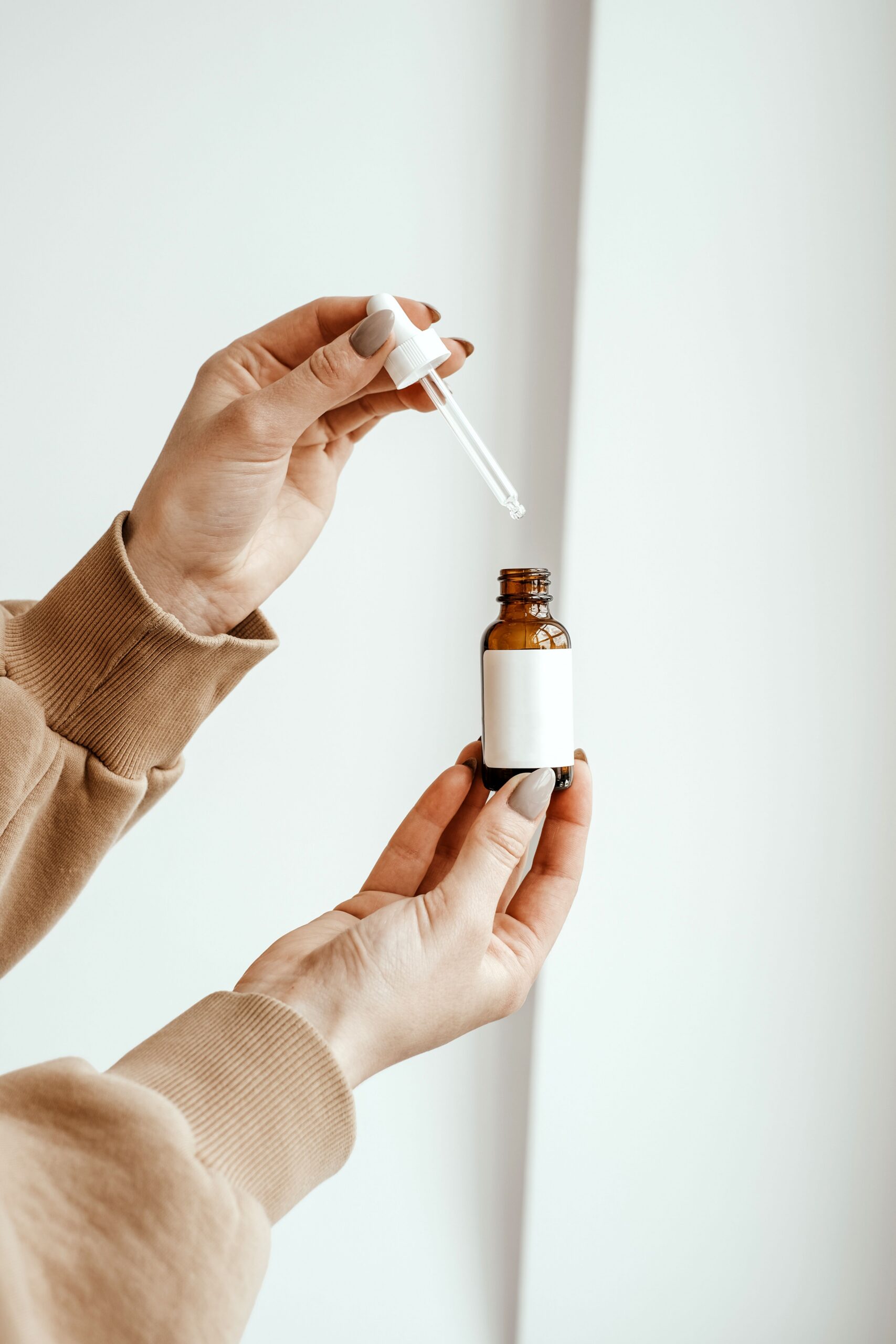
What is a morning facial oil OEM brief?
A morning facial oil OEM brief describes an oil-based face-care direction designed for use in a daytime routine. “Morning” is a use context, not proof of a treatment effect. The buyer may request a dry-touch oil, a light oil serum or a more cushioning blend, but the useful brief describes the expected dose, absorption window, next skincare step, makeup routine, climate and channel. It should not promise medical outcomes or rely on a competitor’s ingredient name, bottle shape or advertising language.
A sample can feel elegant in one application yet become too glossy under foundation, change odour during storage or leave residue around a dropper neck. Compare controlled versions and record what changed; a scorecard is more useful than asking for a sample that simply feels “premium.”
Seven tests before private label sampling is approved
1. Define the finish at zero, five and fifteen minutes
Agree on a fixed dose and application area, then record spread, slip, tack, shine and residue at each time point. The buyer should describe the acceptable finish for the intended customer and climate. A spa treatment oil may allow more cushion than a daytime ecommerce product positioned for use before makeup. Compare samples under the same conditions so the decision is repeatable.
2. Check compatibility with the next routine step
Test the oil with the planned moisturizer, sunscreen-direction sample or makeup base rather than evaluating it alone. Observe rolling, separation, uneven spreading and excess shine. This is a compatibility screen, not a universal performance guarantee: consumers use different products, doses and techniques. The product page and label should explain the intended order and amount without claiming that every makeup system will behave identically.
3. Set odour and colour acceptance limits
Oil systems can change in odour or colour when raw materials, light, air, heat and package headspace interact. The technical team should define suitable stability and package-compatibility work for the confirmed blend. During buyer review, retain a reference sample, note the acceptable natural aroma or fragrance level and compare later samples in the same lighting. Do not mask a stability concern with stronger fragrance.
4. Review the blend and public claim boundary together
Discuss the desired sensory role of the blend: fast spread, soft after-feel, cushion, fragrance-free direction or support for a barrier-care routine. Ingredient selection must then fit the target market, formula system and label review. Avoid turning a general cosmetic brief into an unverified acne, inflammation, repair or clinical claim. A safer public description explains texture, use context and customization options while leaving formula-specific claims for review after the composition is confirmed.
5. Compare dropper, pump and controlled-orifice dosing
A glass dropper raises questions about neck wipe-back, bulb compatibility, leakage and dosing variation. A small pump or reducer may give cleaner handling for some channels. Fill the actual candidate package, then check first dose, repeated dosing, closure area, label contact and travel orientation.
6. Review label directions and buyer-market questions
Confirm the intended use order, dose wording, external-use statement, patch-test direction where appropriate, net content, ingredient-label route, responsible-party details and language versions required by the buyer. The factory can support artwork dimensions and production handoff, while the buyer or its local compliance owner should confirm destination-market requirements. Keep competitor brands, protected series names and medical language out of public copy and artwork.
7. Freeze the sample-to-QC handoff
Before bulk production, identify the approved formula or version reference, primary package code, closure, fill size, artwork revision, carton configuration and agreed QC notes. The physical reference and written record should reach the filling, packing and buyer-communication teams. This prevents one team from approving the finish while another orders a different actuator or label size.
Buyer decision table
| Decision | What to record | Why it changes the project |
|---|---|---|
| Finish | Spread, slip, tack, shine and residue over time | Sets the useful sensory target for the chosen channel |
| Routine fit | Next product, dose, order and makeup use | Guides compatibility screening and directions |
| Oil direction | Dry-touch, light serum or cushioning feel | Changes raw-material choices and cost review |
| Package | Capacity, dropper or pump, closure and decoration | Changes dispensing, leakage, artwork and quotation |
| Handoff | Approved sample, package code, artwork and QC notes | Keeps production and buyer approval aligned |
Customization options to discuss with GUOCUI
The project can be developed around different sensory and channel directions without copying another brand. Options may include a lighter or more cushioning oil feel, fragrance-free or low-fragrance direction, dropper or pump formats, 15 ml or 30 ml sampling routes, custom logo labels, folding cartons, set packaging and multilingual artwork coordination. These are discussion points rather than fixed stock promises; availability and suitability must be checked against the confirmed formula, package supplier and order plan.
Factory credibility should appear in the workflow, not in exaggerated claims. A practical project moves through brief review, formula discussion, sample evaluation, package matching, label and carton confirmation, pre-production handoff, filling and packing checks, and shipment preparation. Buyers can review the GUOCUI product catalog, compare facial serum directions, and see the customization process before sending an RFQ.
Buyer handoff checklist
- Target country, sales channel and intended user routine.
- Desired finish at five and fifteen minutes.
- Products expected before and after the oil in the routine.
- Preferred oil feel, fragrance direction and ingredient restrictions.
- Package type, capacity, decoration, label languages and carton needs.
- Quantity range, sample deadline and planned launch window.
- Destination-market document, testing and claim-review questions.
MOQ and quotation can be confirmed after formula, packaging, quantity, label requirements and shipping plan review. Sample and production timeline can be confirmed after formula and packaging review. Providing these inputs first helps GUOCUI’s export team return a useful sampling route instead of a generic estimate.
Frequently asked questions
Does a morning facial oil have to use a dropper?
No. A dropper, pump or reducer insert can be considered. The decision depends on formula flow, dose control, closure cleanliness, leakage review, decoration area, channel and buyer preference. Test the selected sample in the actual package before approval.
Can GUOCUI promise a fixed MOQ, price or lead time from the concept name?
No. Those decisions vary with formula route, package availability, decoration, quantity, testing, artwork and shipping plan. Share the brief and quantity range so the team can review a project-specific route.
Can the page claim acne treatment or anti-inflammatory results?
Not without an appropriate legal, technical and evidence basis, and such claims may move beyond ordinary cosmetic positioning. A safer OEM page focuses on sensory direction, routine use, customization and the review process for the target market.
What should be approved before bulk filling?
The handoff should identify the approved sample, formula or version reference, package and closure codes, fill size, artwork revision, label languages, carton configuration and QC notes. Any market-specific testing or document responsibilities should also be assigned.
Send a clearer morning facial oil RFQ
GUOCUI BIO TECH / Guangzhou Guocui Biological Technology Co., Ltd. supports private label and OEM/ODM buyers with formula-direction discussion, sample review, package matching, custom labels and cartons, QC communication and export preparation. Use the Contact form to send the market, channel, finish, package, quantity range and sample timing.
Trend context: a July 2026 first-party Japanese launch notice was used only as evidence that morning-use facial oil is an active product direction. No brand name, formula claim, image, package design or proprietary wording from that release was reused.
Leave a Reply