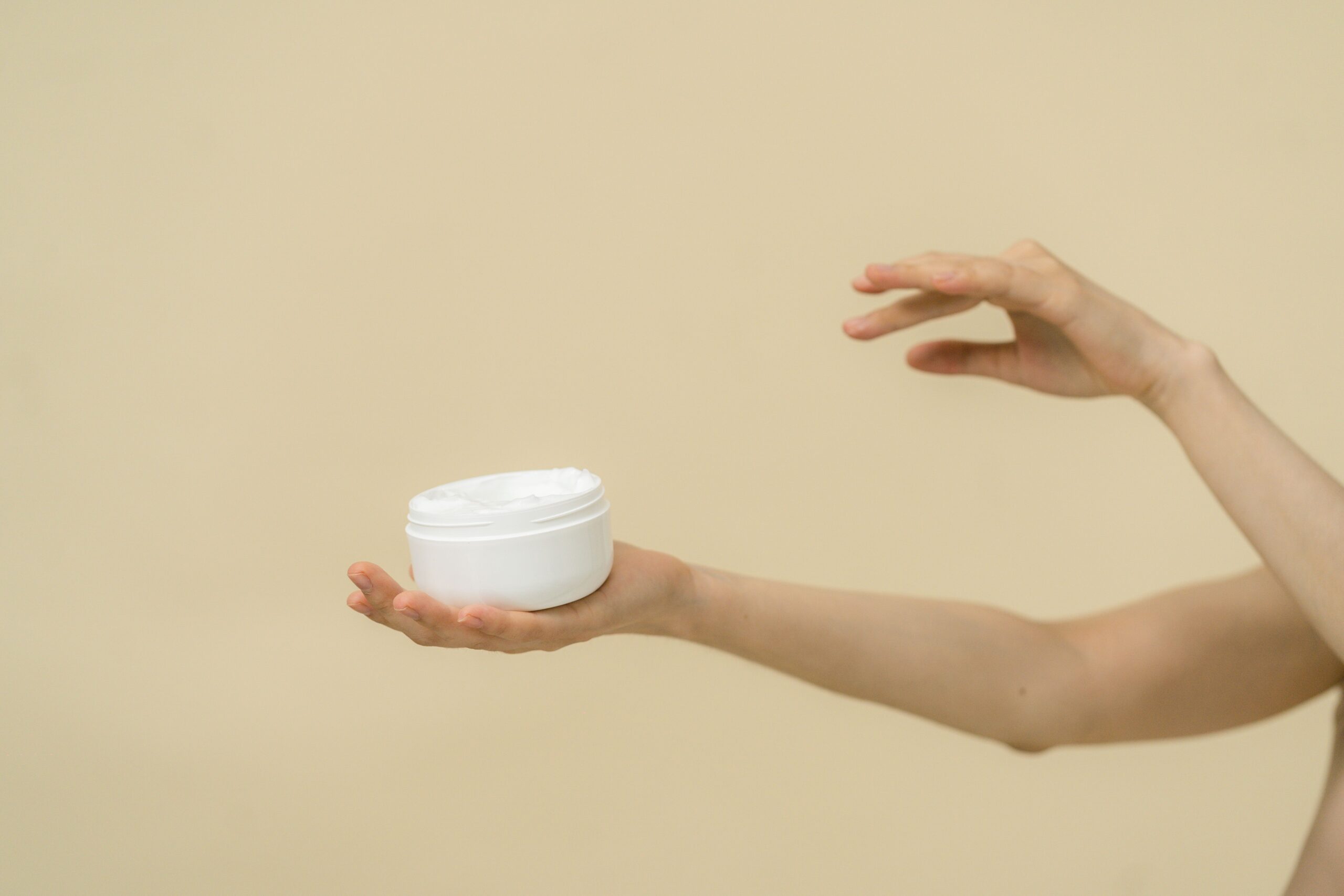
Direct answer: A private label cream package is not ready because it looks clean or promises touch-free use. Before an OEM sampling decision, the buyer and manufacturer should confirm formula viscosity, dose repeatability, product-contact surfaces, leakage control, residue, filling method, decoration limits and transport performance. The package should be reviewed as one system with the formula, cap, pump or applicator, label and shipper carton.
A 2026 cosmetics packaging award highlighted a mono-material dispenser with an integrated applicator and locking function. A separate 2026 packaging-industry review emphasized that refill pouches, bottles and pumps work better when developed as a compatible system rather than as isolated components. These are useful sourcing signals, but they do not prove that one package will suit every GUOCUI formula or buyer market. The practical next step is a controlled sample review.
What “hygienic cream packaging” means in an OEM project
For a private label buyer, hygienic cream packaging means the pack helps control how the formula is exposed, dispensed and handled during use. It may be a tube, airless pump, airless jar, standard jar with a spatula, or an integrated applicator format. The word “hygienic” should describe a design intention and test plan, not an unsupported medical, sterile or contamination-free guarantee.
GUOCUI BIO TECH / Guangzhou Guocui Biological Technology Co., Ltd. can discuss cream texture, package type, fill size, custom logo label, carton, sample review and QC communication. The final package route depends on the formula and buyer plan. A rich cream, light gel cream and fluid lotion may need different pumps, orifices and filling settings even when the marketing concept sounds similar.
Eight checks before private label sampling
1. Match the dispenser to the real formula viscosity
Do not select a pump from a rendering alone. Tell the manufacturer whether the target is a light gel cream, medium lotion cream, rich balm-like cream or another texture direction. During sample review, watch whether the first dose requires repeated pressing, whether the dose changes after several uses, and whether the pack still dispenses after the product has rested. A package that works with water may fail with the finished formula.
2. Define a usable dose and repeatability test
Agree on the expected use pattern: a small facial dose, a larger body-cream dose, a targeted applicator dose or a travel-use dose. Record several consecutive outputs rather than judging one press. The buyer does not need to publish an exact dose claim, but the factory needs a practical target for pump selection, filling and sample comparison.
3. Review every product-contact surface
List the parts that touch the cream: inner bottle, piston, dip tube, pump path, valve, gasket, applicator, lid liner and any refill spout. Ask which materials are proposed and whether the supplier has compatibility information for the intended formula type. If an integrated puff, sponge or tip is considered, add cleaning, drying, replacement and user-instruction questions. Do not describe the package as sterile unless a separate validated process supports that statement.
4. Test the lock, cap and leakage path
A carry-friendly package needs more than a visual lock icon. Check whether the cap stays closed, whether the actuator can move in transit, and whether cream appears around the neck, seam or applicator after repeated handling. Review the filled sample upright, sideways and inverted according to the intended shipping and use conditions. Export cartons, parcel delivery and hot or cold storage can expose weaknesses that a clean studio sample will not show.
5. Inspect residue and evacuation
Low visible residue can improve the user experience, but “uses every drop” should not be promised without evidence. During the sample test, look for product trapped below the pump, around a shoulder, inside an applicator or near the base of a piston. Weighing the package before and after a controlled use cycle can support an internal comparison between options. The buyer can then choose the better package without turning an internal test into an exaggerated public claim.
6. Confirm artwork and decoration limits early
Ask for the printable area, label panel, curvature, seam, hot-stamp limits, color tolerance and minimum readable type size. A package with several moving parts may leave less space for multilingual directions, responsible-party information, warnings and batch coding. Review the logo, ingredient label and carton together. A beautiful applicator is not a complete export package if required market text does not fit.
7. Align filling, assembly and QC checkpoints
Before quotation, clarify whether the package arrives assembled, whether a pump needs priming, how the applicator is protected, and what components must be checked before filling. A practical QC plan may include incoming package appearance, component fit, fill-weight check, closure check, code readability, leakage observation and carton count. The exact checkpoints should match the pack and order, not a generic promise.
8. Test the shipping set, not only the primary pack
Include the unit carton, insert, divider and outer carton in the review. Confirm how the pack is oriented, whether the lock can be disturbed, and whether decoration rubs against adjacent units. If the buyer plans an Amazon, TikTok Shop, salon, spa, distributor or wholesale launch, share the expected fulfilment route. Different channels create different label, display and parcel-handling needs.
Quick comparison for cream buyers
| Package route | Useful when | Sampling questions |
|---|---|---|
| Standard jar | Rich textures, visible fill and familiar retail presentation | Liner, spatula, opening size, user handling, seal and carton protection |
| Airless pump or jar | Controlled dispensing and reduced routine product exposure | Priming, dose repeatability, piston movement, residue and filling compatibility |
| Tube | Travel, targeted use and flexible fill sizes | Orifice, cap, squeeze force, panel decoration, seam and leakage |
| Integrated applicator | Convenient targeted or hands-reduced application concepts | Material/FTO review, cleaning, drying, lock, dose, applicator protection and replacement logic |
Buyer handoff checklist
- Product type and target texture: gel cream, lotion cream, rich cream or balm-like direction.
- Preferred package route, fill size and whether an applicator or refill is required.
- Target market, sales channel and language or label requirements.
- Logo files, decoration preference, carton or set structure and batch-code area.
- Expected quantity, sample goal, launch window and shipping plan.
- Any required compatibility, leakage, drop, transport or user-handling review.
MOQ and quotation can be confirmed after formula, packaging and order-plan review. Sample and production timing can be confirmed after the formula direction, package components, artwork and required checks are clear. This prevents a buyer from receiving an attractive but incomplete quotation.
How GUOCUI can organize the next review
Start with the intended cream and channel, then narrow the package options. The team can compare available bottle, jar, tube, pump, label and carton routes; prepare a sample-review brief; record buyer feedback; confirm artwork and packaging questions; and align QC and packing communication before bulk production. Buyers can review the GUOCUI product catalog, explore Face Care, check Customization, and read the related face cream sample guide.
To request a packaging review, send the product type, texture target, package idea, market country, expected quantity and timing through the GUOCUI inquiry form.
FAQ
Does an airless package work with every cream?
No. Pump path, piston, dose, viscosity, filling and material compatibility still need to be reviewed with the intended formula.
Can GUOCUI quote a hands-free cream package from a reference picture?
A picture can start the discussion, but quotation needs the formula type, fill size, package structure, decoration, quantity and market requirements. A supplier sample or specification may also be needed.
Can the page say the package is sterile or contamination-free?
Not from the package idea alone. Public wording should stay factual and use terms such as controlled dispensing or reduced routine hand contact unless a separate validated claim supports stronger language.
What should a buyer approve before bulk production?
Approve the formula sample, filled package function, color and decoration, label and carton content, code position, packing method, quotation variables and the agreed pre-production confirmation steps.
Short conclusion: The best hygienic cream package is the one that works with the real formula, survives the buyer’s channel and can be filled, labeled, checked and shipped consistently. Treat the pack as a system, then approve it with evidence.
Industry sources reviewed: 2026 Cosmopack Awards packaging winner page and Amcor’s July 2026 integrated refill-system article. GUOCUI does not claim ownership of the referenced proprietary designs and does not copy their text, package appearance or protected mechanism.
Leave a Reply