Direct answer: A sample review should check texture, scent, skin feel, packaging fit, label direction, buyer feedback, and production feasibility before moving into bulk private label skincare planning.
This buyer guide is written for skincare brand owners, Amazon and TikTok beauty sellers, salon or spa buyers, distributors, and private label teams who need a practical way to speak with a factory before sample or bulk production starts.
Why this matters for a B2B skincare project
GUOCUI BIO TECH is positioned as a skincare OEM/ODM and private label supplier, so the most useful content is not generic beauty copy. A buyer needs to know what information the factory team needs before it can discuss samples, packaging, quotation logic, and production preparation.
The key question behind this topic is private label skincare samples. The practical angle is sample review: helping the buyer prepare enough detail so the export team, sample team, packaging team, and QC team can work from the same request.
Information buyers should prepare
Product format: serum, cream, cleanser, mask, body care, scalp care, essential oil, or a set.
Formula direction: texture, skin feel, fragrance preference, hero ingredient direction, and claim boundaries.
Packaging direction: bottle, jar, tube, pump, dropper, label, box, carton, and set structure.
Order planning: estimated quantity, target market, sales channel, language needs, and launch timing.
Compliance review: claims, ingredient naming, local label requirements, and buyer-side import documents.
Factory-side review path
Step
What GUOCUI should check
Buyer decision supported
Sample discussion
Texture, scent, skin feel, formula direction, and packaging fit.
Whether the product direction is realistic before bulk work.
Packaging proofing
Capacity, closure, label area, carton layout, and set presentation.
Whether the product can be presented clearly in the buyer’s channel.
Quotation review
Formula, packaging, label work, quantity, timeline, and shipping plan.
Whether MOQ and quotation are ready to confirm.
QC and packing plan
Appearance, filling, sealing, label position, carton marks, and shipment preparation.
Whether the order can move into stable production steps.
FAQ for buyers
Can GUOCUI quote from only a product name? Usually not accurately. Quotation depends on formula, packaging, quantity, label work, and shipping plan.
Can buyers request low MOQ private label directions? Buyers can ask for low MOQ options, but the final MOQ should be confirmed after formula and packaging review.
Can packaging be customized? Packaging can be discussed by bottle, tube, jar, pump, label, box, carton, and set plan. The buyer should provide capacity and channel requirements when possible.
What should be sent before a sample request? Send product format, target market, formula direction, packaging reference, estimated quantity, and expected launch timeline.
Next RFQ action
Before sending an inquiry, prepare one short brief that includes product type, formula direction, packaging idea, quantity range, label language, target market, and sample deadline. This makes the first factory reply more useful and reduces repeated clarification.
Direct answer: a private label creamy serum brief should describe what the buyer expects to see and feel, how the formula should dispense, which products it must layer with, and which claims still need evidence. “Creamy serum” is a format direction, not a finished formula. The factory still needs a target texture, absorption profile, package route, fragrance preference, market, quantity plan and sample-review method before it can confirm MOQ, quotation or timing.
A useful serum brief turns a trend word into sample-table decisions the buyer and factory can both check.
What is a creamy serum?
A creamy serum is a facial serum direction with more body and cushion than a typical fluid serum, while remaining lighter and easier to spread than many creams. That definition is intentionally practical. It does not promise a fixed ingredient list, clinical result or universal skin feel. Two samples can both be called creamy serums and still differ in slip, richness, absorption, finish, fragrance, pump response and compatibility with the rest of a routine.
Recent retail launches show that buyers are looking again at hybrid textures and controlled dispensing. Packaging awards also continue to highlight applicators and dispensing systems that change how a formula is used. These are useful format signals, but a private label project should not copy a branded ingredient, bottle silhouette, colour system, claim or test result. GUOCUI translates the signal into an original formula-and-packaging brief for the buyer’s channel.
Choose the job before choosing the ingredients
Start with the job the product should perform in the line. Is it the lightweight step before a cream, a one-step hydrating-feel product for a simple routine, a richer night serum, or the hero texture in a three-SKU range? This decision affects the sample target more than a long list of fashionable ingredients.
Format direction
Sample target
Packaging question
Fluid serum
Fast flow, light spread and quick absorption
Can the dropper or pump control a low-viscosity dose?
Creamy serum
Visible body, easy spread, low drag and a comfortable finish
Will the pump prime, dispense and empty consistently?
Gel-cream serum
Fresh break, cushion and low tack
Does the formula recover after pumping and storage?
The table is a discussion tool, not a specification. The final direction should be confirmed with samples, packaging components and the buyer’s actual routine or channel use.
How to describe texture without vague marketing words
Words such as silky, rich, elegant or premium can start a conversation, but they are not enough for a lab brief. Pair them with observable choices. Ask how quickly the sample should spread, whether it should hold a soft peak, how much slip is expected, when tack should disappear, and whether the finish should feel natural, dewy-looking or more velvety.
Pickup: should one pump hold its shape or begin flowing immediately?
Spread: should it move with long slip or settle after a few passes?
Absorption: what should the buyer notice after 30 seconds and after several minutes?
Finish: should the skin feel cushioned, dry-touch, lightly emollient or almost weightless?
Layering: must the sample sit under makeup, sunscreen or a separate moisturizer without visible rolling or pilling?
Fragrance: should it be fragrance-free, low-scent or matched to a broader product line?
These questions make sample feedback more useful. “Make it lighter” can mean lower viscosity, faster absorption, less oiliness, less tack or a smaller pump dose. The buyer should identify which one is causing the problem.
Match the pump to the formula, not the mood board
A pump that looks appropriate in a reference image may not suit the proposed formula. The factory and packaging supplier need to review viscosity range, priming, dose, residue, leakage, closure fit, component materials and decoration area. A creamy serum may be considered for an airless pump or another controlled-dispensing component, but the exact route depends on the sample and component.
Ask for package samples early enough to test the formula in the intended component. Check the first pumps, normal dose, end-of-pack behaviour and visible residue. If a travel lock, replaceable part or special applicator is proposed, review handling and cleaning responsibility as well as the visual idea. Do not claim hygienic, recyclable, low-waste or air-protective performance until the selected component and supporting information justify the wording.
Review the sample in the buyer’s real routine
A factory sample should be evaluated on clean skin and in the intended product order. Record amount, spread, absorption, tack, finish, fragrance and any visible interaction with the next layer. When possible, compare samples under the same room conditions and with the same application method. This does not replace stability, compatibility, safety or claims testing; it prevents the buyer team from choosing a sample through memory alone.
Use a simple review sheet and give each revision one clear objective. If a sample pills under a particular next product, record the application amount, waiting time and product order. If fragrance is too noticeable, say when it is strongest and how long it remains. If the pump feels inconsistent, record the first-use and repeated-dose behaviour. Specific notes help the formulation, packaging and export teams understand the same problem.
Keep the claim brief separate from the texture brief
A pleasing creamy texture does not prove a brightening, wrinkle, blemish, barrier or clinical claim. Claims should be written for the target market and supported by appropriate evidence. Ingredient stories, percentages, test language and before-and-after plans need their own review. GUOCUI can discuss cosmetic directions such as hydration feel, comfortable layering, barrier-support positioning or an even-looking finish, but public wording must follow the final formula, evidence and market requirements.
Retail references should stay in the internal research record. Remove competitor names, proprietary ingredients, signature packaging, exact claim language, clinical timelines and visual trade dress from the public product concept. The new brief should state the buyer’s channel, sensory target, original formula direction and packaging options in plain industry language.
What affects MOQ, quotation and sample timing?
MOQ and quotation depend on the reviewed formula, packaging, quantity, artwork, label, carton, set assembly and shipping plan. A stock component with a label has a different commercial path from a custom-colour airless pump or special applicator. Formula revisions and compatibility work also affect the sample plan. For that reason, GUOCUI does not guess one fixed minimum, price or lead time from the words “creamy serum.”
Sample and production timing can be confirmed after formula and packaging review. Buyers can shorten the early discussion by sending a realistic quantity range, destination market, required label languages, target capacity, preferred component route and the date by which samples need to be evaluated.
Buyer checklist for a creamy serum RFQ
Target market, sales channel and buyer type.
Product role: hero serum, simple-routine step, night product or range companion.
Texture reference described through pickup, spread, absorption, tack and finish.
Fragrance preference and products the sample must layer with.
Ingredient directions that are required, optional or excluded.
Claims under consideration and who will review target-market compliance.
Target capacity, pump or bottle direction, decoration and carton preference.
Estimated quantity, sample needs, shipping destination and target timing.
Frequently asked questions
Does a creamy serum replace a face cream?
Not automatically. It is a hybrid texture direction. The final sample should be judged by its actual viscosity, spread, finish, routine role and package, not by the name alone.
Can a buyer request an airless pump?
Yes, as a packaging direction. The actual component still needs formula compatibility, priming, dose, leakage, decoration and packing review.
Can GUOCUI copy a retail creamy serum?
No. A retail product may indicate a format opportunity, but the GUOCUI project must use an original formula brief, packaging direction, artwork and compliant claims.
How many sample revisions are needed?
There is no universal number. It depends on how clear the first brief is, how the samples perform and whether formula, fragrance, package or claim directions change.
What should the buyer approve before production?
The buyer should approve the formula sample, sensory target, packaging components, artwork proof, label text and the agreed production specification.
Direct answer: a private label skincare line can use one packaging family without making every SKU identical. Keep a shared visual and component logic—such as related bottle finishes, closure colours, label grids and carton materials—while choosing the actual bottle, pump, tube or jar around each formula. The factory should review fill compatibility, dosage, decoration space, pack protection and order quantities for every SKU before the buyer approves a range.
A packaging family is a coordinated component system, not one container forced onto every formula.
What is a private label skincare packaging family?
A packaging family is a planned group of components that makes several products look related and keeps factory decisions organized. A cleanser, serum and cream may use different containers, but the range can share a finish, cap colour, label structure, carton stock and artwork hierarchy. This gives the buyer a consistent shelf story while leaving room for the technical needs of each formula.
The useful distinction is between shared design rules and shared components. Design rules can often carry across the full range. Components should be shared only when the formula, fill process, dosage, capacity and use experience support them. A thick cream may need a different pump path from a fluid serum. A cleanser for the shower needs a closure and label route that can handle wet handling. A travel item may need additional leakage and pack-protection review.
Give each SKU one job in the line
Before choosing bottles, define what each product contributes to the buyer’s channel. A clear three-SKU range is often easier to sample, quote and explain than a long list of loosely related items. The roles below are planning examples, not fixed product claims.
SKU role
Buyer decision
Packaging question
Hero product
Which texture or routine step should introduce the range?
Does the primary pack show the intended positioning and dosage clearly?
Companion product
What second format makes the routine more useful?
Can it share finishes, labels or cartons without forcing the wrong closure?
Travel or trial format
How will buyers sample, bundle or launch the line?
Is the smaller pack fillable, sealable, label-ready and protected for transport?
A salon range may prioritize backbar and retail sizes. An online seller may prioritize a hero SKU, a bundle and a compact trial size. A distributor may need multilingual cartons and a clearer case-pack plan. These channel choices should be part of the first packaging discussion because they affect components, artwork, sampling and quotation.
Build the component matrix before requesting samples
Use one row per SKU and record formula format, target capacity, dispensing method, bottle or jar material direction, closure, decoration, carton and shipping protection. The matrix does not need final engineering data on day one. Its purpose is to make missing decisions visible before separate suppliers and factory teams begin working from different assumptions.
Formula and viscosity direction: fluid serum, emulsion, cream, gel, oil, cleanser or another cosmetic format.
Dispensing route: pump, dropper, cap, nozzle, jar opening or sachet, subject to compatibility review.
Capacity and fill plan: target net content, sample size, travel size and full-size relationship.
Decoration: direct print, label, sleeve or other approved route, including usable artwork area.
Secondary pack: folding carton, insert, set box or no carton after protection and label needs are reviewed.
Do not approve a component from a catalogue image alone. The factory-side path should include physical samples or reliable component specifications, formula contact review, fill and dispensing checks, closure fit, decoration proofing and packing review. The exact checks depend on the formula, component and destination market.
Standardize the parts that reduce confusion
Standardization is most useful when it reduces artwork versions, colour mismatches or unnecessary component changes. A range may share one neutral bottle finish, two closure colours and one carton material. The artwork can then distinguish the SKU by product name, routine step and a controlled accent system. This is different from copying a competitor’s distinctive bottle, colour code or trade dress.
Keep the visual system original. GUOCUI buyers can provide a mood board, logo, market, channel and price-position direction, but reference images should be translated into a new component and artwork brief. Remove competitor names, proprietary series terms, signature shapes, famous colour combinations and copied advertising lines. A useful reference explains the buyer’s preference; it does not become a relabelled public asset.
Separate the parts that carry technical risk
Some components should remain SKU-specific even when the range looks coordinated. A pump selected for a lotion may not give the same dose or priming behaviour with a thicker cream. A dropper may suit one oil or serum direction but not another formula. A refill pouch, airless bottle or treatment-style applicator introduces its own filling, sealing, residue, cleaning and user-instruction questions.
Ask the packaging and formula teams to flag these differences early. The buyer should know which visual decisions are flexible and which technical decisions still need samples or tests. This prevents a late artwork change from being treated as a simple graphic edit when it actually changes a component, label area, carton size or filling plan.
Review the range at one sample table
A multi-SKU line should be reviewed together at least once before final artwork. Place the approved formula samples, primary packs, closures, labels, cartons and set structure in one view. Compare fill levels, cap and pump colours, label alignment, product names, routine order and the amount of visual variation across the range. Photograph the agreed direction for internal reference, but keep the component codes and written approvals attached to the project record.
The sample review should also identify what is still provisional. A bottle colour may be accepted while the pump output is still under review. A carton layout may be approved in principle while local label copy remains with the buyer’s regulatory team. Separating approved and pending decisions gives the factory, designer and buyer a cleaner handoff.
How the packaging family affects MOQ, quotation and timing
One packaging family does not create one universal MOQ or price. Quotation depends on the formula, component route, decoration, quantity, label and carton work, set assembly, sample plan and shipping requirements for each SKU. Shared materials or finishes may simplify some work, but a custom colour, mould, pump, refill part or low-volume travel pack can create a separate requirement.
For the same reason, sample and production timing should be confirmed after the formula and packaging matrix is reviewed. Buyers should avoid announcing a fixed launch date before the critical components, artwork responsibilities and approval steps are mapped. GUOCUI can discuss low-MOQ directions, but the final minimum and quotation should be confirmed from the actual range plan rather than guessed from a title.
Buyer checklist for a three-SKU RFQ
List the three product formats and explain the role of each SKU.
Provide the target market, sales channel and expected launch order.
Give the preferred full-size and trial-size capacities.
Mark which colours, finishes, closures and carton materials should be shared.
State which formula, fragrance, texture and ingredient directions are still open.
Provide logo files, label languages, barcode responsibility and any buyer-side review requirements.
Share the estimated quantity per SKU, sample quantity, shipping destination and target timing.
Frequently asked questions
Must every SKU use the same bottle?
No. A coordinated range can share finishes, label rules and carton materials while using different containers selected for each formula.
Can one pump be used for serum, lotion and cream?
It should not be assumed. Formula viscosity, priming, output, residue and compatibility need to be checked for the actual component and formula.
Does shared packaging always lower MOQ?
No. It may simplify some sourcing or artwork work, but each component, colour, decoration and quantity still has its own commercial requirements.
When should final artwork begin?
Layout planning can start early, but final files should follow confirmed component dimensions, decoration areas, required copy and buyer-side market review.
What should a buyer send GUOCUI first?
Send the SKU roles, formula formats, capacities, packaging preferences, target market, quantity range, label languages and launch timing. The export team can then identify the missing sample and quotation inputs.
Updated 20 August 2026. This checklist is for brand owners, distributors, Amazon or TikTok beauty sellers, salons, spas and wholesale buyers preparing a private label skincare request.
Direct answer: A skincare RFQ is ready for factory review when it gives nine decisions: product format, formula and texture goal, cosmetic claim boundary, packaging and capacity, artwork and label languages, estimated quantity range, target market and channel, sample deadline, and shipping plan. GUOCUI should confirm MOQ, quotation and timing only after the formula and packaging route is reviewed.
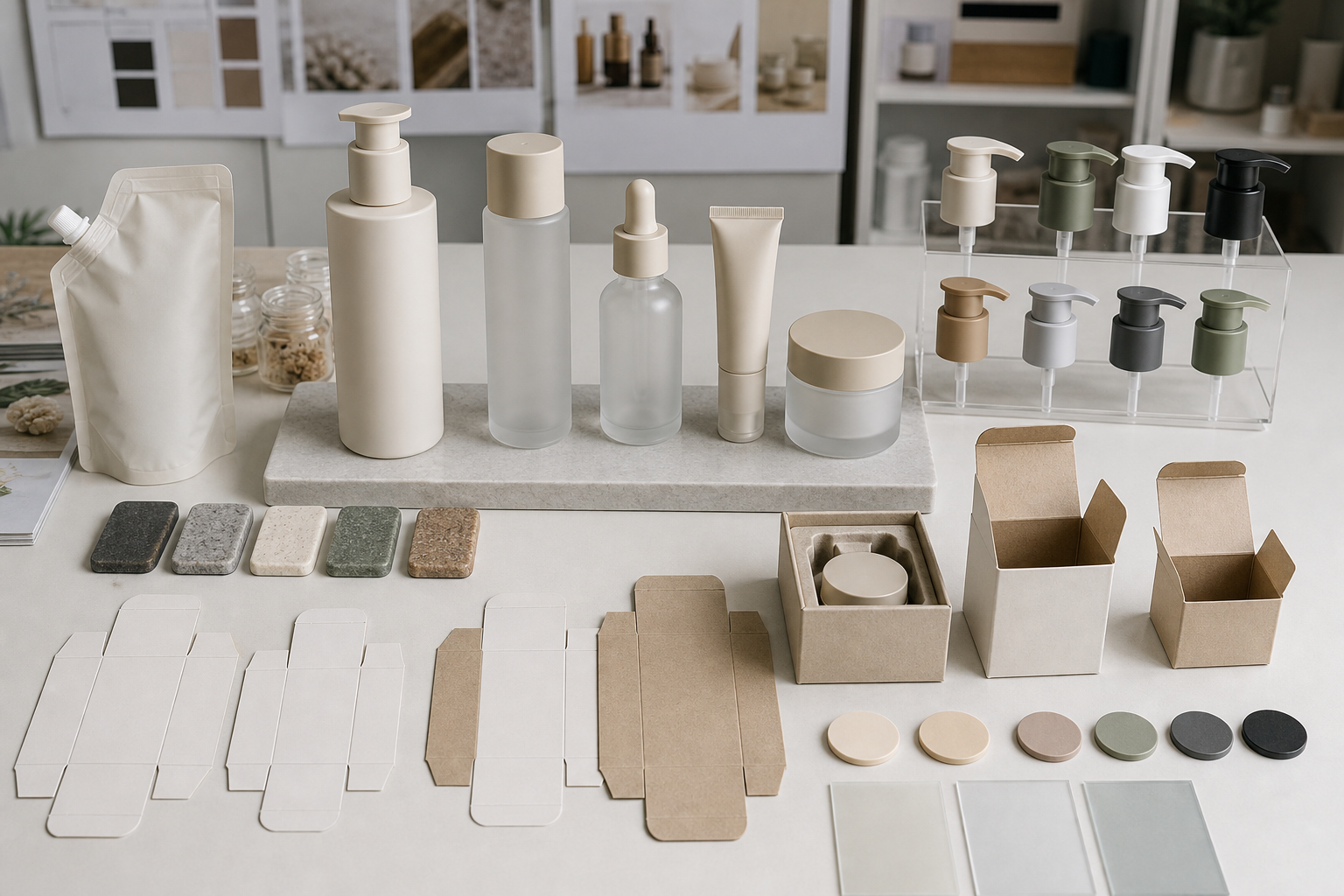
Original clean-room visual showing a generic sample, pump, label and carton review before quotation. It is not evidence of a specific buyer order, final formula, certification or production batch.
The nine inputs that make an OEM skincare RFQ usable
Product format: name the first item to review, such as serum, cream, cleanser, mask, body care, scalp care, cosmetic oil or a coordinated set.
Formula direction: describe the expected texture, rinse or leave-on feel, fragrance preference and ingredient direction without copying a competitor formula or proprietary name.
Claim boundary: state the cosmetic positioning and market. Terms involving treatment, acne, whitening, SPF, hair growth or clinical performance require separate evidence and regulatory review.
Packaging route: identify bottle, jar, tube, pump, dropper, sachet or refill direction, plus the preferred capacity and any channel constraints.
Artwork route: provide logo files, label languages, color references, carton needs and the person responsible for final artwork approval.
Quantity range: give an honest planning range rather than asking for a fixed public MOQ that may not fit the formula and component route.
Market and channel: tell the factory where and how the product will be sold so label, pack durability and presentation questions can be reviewed in context.
Sample and launch dates: separate the date needed for sample evaluation from the intended launch window. Production timing cannot be inferred from a launch date alone.
Shipping plan: share the destination and whether the request needs individual cartons, master-carton marks, set assembly or other export packing discussion.
Choose the development route before asking for a price
Route
What the buyer should lock first
What the factory should review
Private label packaging
Product format, capacity, logo, label language, quantity and channel
Available base direction, component fit, decoration route, carton and filling plan
Existing formula adjustment
Texture, scent, color, ingredient preference and cosmetic claim boundary
Feasibility, sample comparison, stability implications and packaging compatibility
Development scope, sample rounds, formula review, pack selection, QC points and quotation variables
Short conclusion for buyers: asking for “the lowest MOQ” before choosing a formula and package rarely produces a dependable answer. A narrower brief gives the sample, packaging, export and QC teams something they can actually check.
What happens after GUOCUI receives the brief
The export team should first check whether the request is complete enough for a useful reply. A formula discussion may need texture references, ingredient exclusions and a restrained cosmetic claim plan. A packaging discussion may need capacity, closure, label area, carton structure and channel requirements. Missing information should be turned into a short question list rather than guessed.
Sample evaluation should record what changed between rounds. Useful notes cover appearance, scent, spread, rinse or absorption feel, dose, pump or cap behavior, label fit and any visible pack mismatch. The approved reference needs a version name or date so the buyer and factory are discussing the same sample before bulk preparation.
Packaging proofing is more than choosing a bottle color. The team may need to check the component set, filling opening, pump output, cap fit, label area, print route, carton dimensions and how the product will be packed for shipment. A marketplace seller may prioritize parcel durability and clear variant identification; a salon or spa may care more about dispensing, storage and professional-use handling.
QC and packing preparation should stay specific to the approved project. GUOCUI can discuss appearance checks, filling and sealing review, label position, carton marks, sample retention and shipment preparation, but this page does not claim a universal test plan, fixed lead time, certification or outcome for every formula and market.
MOQ, quotation and timing: what can be stated safely
MOQ and quotation can be confirmed after formula, packaging and order-plan review. The commercial route can change when the buyer changes the base formula, component supplier, decoration method, label language, carton structure, quantity or shipping requirement. Sample and production timing should also be confirmed after formula and packaging review; a public page should not invent a fixed number that ignores the actual brief.
A useful quotation discussion therefore separates confirmed inputs from open decisions. Confirmed inputs might include a 50 mL airless direction, one market, two label languages and an estimated quantity range. Open decisions might include the final pump, fragrance level, carton finish and testing scope. This distinction helps both sides see what is holding the quote open.
FAQ for private label skincare buyers
Can GUOCUI quote from only a product name or reference link?
Not accurately in most cases. A link can show the intended format, but the public product, brand artwork, proprietary claims and trade dress must not be copied. The buyer still needs to provide formula, packaging, quantity, market and timing decisions.
Can I request a low MOQ direction?
Yes, low MOQ can be discussed as a project preference. The final MOQ depends on the formula, available components, decoration route, labels, cartons and order plan, so it should be confirmed after review.
What should I send for packaging review?
Send the preferred capacity and component type, channel needs, logo files, label language, color references, carton or set idea and any physical sample that the team is authorized to examine.
How many sample rounds are required?
There is no honest universal number. The route depends on how clear the starting brief is, whether the formula is existing or custom, what changes are requested and whether the selected package remains compatible.
Who approves claims and labels?
The buyer should identify the target market and responsible reviewer. Formula, ingredient display, claims, required warnings and final artwork need review for the approved product and destination; factory support is not a substitute for buyer-side regulatory responsibility.
What is the fastest useful next step?
Choose one hero SKU and send the nine inputs above. It is usually more productive to review one complete product brief than several vague product names.
Public catalog observations were converted into anonymous buyer questions, not reviews, testimonials, endorsements, rankings or demand claims. GUOCUI BIO TECH and Guangzhou Guocui Biological Technology Co., Ltd. are the manufacturer and supplier entities used on this site.
Direct answer: A useful skincare RFQ should explain the product format, formula direction, packaging plan, order quantity, target market, label language, and launch timeline before a factory prepares a quotation.
This buyer guide is written for skincare brand owners, Amazon and TikTok beauty sellers, salon or spa buyers, distributors, and private label teams who need a practical way to speak with a factory before sample or bulk production starts.
Why this matters for a B2B skincare project
GUOCUI BIO TECH is positioned as a skincare OEM/ODM and private label supplier, so the most useful content is not generic beauty copy. A buyer needs to know what information the factory team needs before it can discuss samples, packaging, quotation logic, and production preparation.
The key question behind this topic is private label skincare RFQ. The practical angle is RFQ completeness: helping the buyer prepare enough detail so the export team, sample team, packaging team, and QC team can work from the same request.
Information buyers should prepare
Product format: serum, cream, cleanser, mask, body care, scalp care, essential oil, or a set.
Formula direction: texture, skin feel, fragrance preference, hero ingredient direction, and claim boundaries.
Packaging direction: bottle, jar, tube, pump, dropper, label, box, carton, and set structure.
Order planning: estimated quantity, target market, sales channel, language needs, and launch timing.
Compliance review: claims, ingredient naming, local label requirements, and buyer-side import documents.
Factory-side review path
Step
What GUOCUI should check
Buyer decision supported
Sample discussion
Texture, scent, skin feel, formula direction, and packaging fit.
Whether the product direction is realistic before bulk work.
Packaging proofing
Capacity, closure, label area, carton layout, and set presentation.
Whether the product can be presented clearly in the buyer’s channel.
Quotation review
Formula, packaging, label work, quantity, timeline, and shipping plan.
Whether MOQ and quotation are ready to confirm.
QC and packing plan
Appearance, filling, sealing, label position, carton marks, and shipment preparation.
Whether the order can move into stable production steps.
FAQ for buyers
Can GUOCUI quote from only a product name? Usually not accurately. Quotation depends on formula, packaging, quantity, label work, and shipping plan.
Can buyers request low MOQ private label directions? Buyers can ask for low MOQ options, but the final MOQ should be confirmed after formula and packaging review.
Can packaging be customized? Packaging can be discussed by bottle, tube, jar, pump, label, box, carton, and set plan. The buyer should provide capacity and channel requirements when possible.
What should be sent before a sample request? Send product format, target market, formula direction, packaging reference, estimated quantity, and expected launch timeline.
Next RFQ action
Before sending an inquiry, prepare one short brief that includes product type, formula direction, packaging idea, quantity range, label language, target market, and sample deadline. This makes the first factory reply more useful and reduces repeated clarification.
Direct answer: An export-ready private label skincare label starts with the destination market and buyer-side compliance owner, not with artwork. Before production, the buyer and factory should align on product identity, cosmetic claims, formula/ingredient display, net contents, language, responsible-party details, traceability, warnings, pack dimensions, and the final approval route. The exact legal review remains market-specific and belongs to the buyer or its appointed compliance professional.
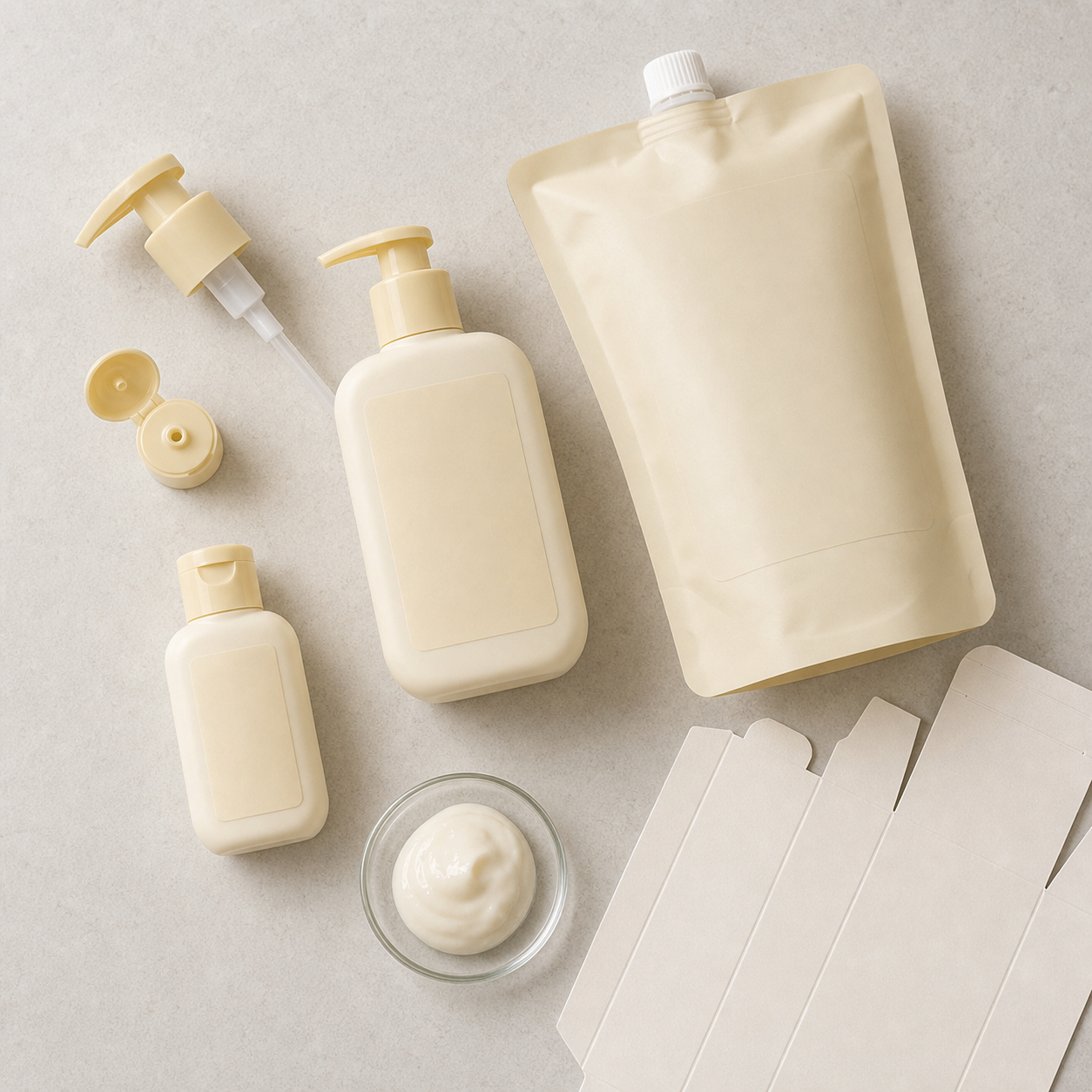
Blank packaging samples help a buyer review panel space, pack format, label stock and carton structure before final artwork approval.
This guide is for skincare brand owners, Amazon or TikTok beauty sellers, salon and spa buyers, distributors, and sourcing teams preparing an OEM/ODM brief. It is a procurement and factory-communication checklist, not legal advice. GUOCUI BIO TECH uses the information to discuss sample preparation, packaging fit, quotation variables, QC checks and production readiness without inventing a universal compliance promise.
What “export-ready” means at the factory discussion stage
Export-ready does not mean that a carton already carries every possible symbol or that a manufacturer can approve one label for all countries. It means the project has a named market, a review owner and enough stable product information to build a controlled artwork proof. The factory should know what is fixed, what is still optional and which statements require buyer-side review.
The United States FDA’s current cosmetics-labeling resources emphasize truthful, non-misleading presentation and distinguish cosmetic claims from therapeutic claims. Current Great Britain guidance illustrates why destination-market planning matters: it identifies items such as the Responsible Person, product function, nominal content, traceability, precautions and ingredients as label considerations. A practical buyer brief therefore needs more than a product name and a logo file.
Eight questions to answer before artwork begins
Buyer question
Why the factory needs it
Useful evidence
1. Where will the product be sold?
Market, language and channel affect the review path and available panel space.
Country list, sales channel and launch sequence.
2. Who owns market compliance?
The factory can prepare files and samples, but the buyer or appointed specialist must confirm local obligations.
Responsible party, importer or compliance contact.
3. What is the product identity?
The front panel should describe what the item is without drifting into a drug or treatment promise.
Product type, intended cosmetic use and claim boundaries.
4. Is the formula direction stable?
Ingredient display cannot be finalized while the formula, fragrance or color direction is still changing.
Approved sample code and current ingredient draft.
5. What pack and net contents are planned?
A bottle, tube, jar, sachet or cleansing bar creates different artwork dimensions and proofing needs.
Capacity, fill weight, component drawing and closure choice.
6. Which languages are required?
Multilingual copy can change font size, hierarchy, readability and whether a leaflet or outer carton is needed.
Approved translations and language priority.
7. What traceability and caution fields are needed?
Batch placement, use directions, precautions and date/period information must remain readable after printing and packing.
Market checklist and proposed print zones.
8. What belongs on the retail pack versus shipper carton?
Consumer artwork and logistics marks serve different purposes and should not be mixed during approval.
Unit label, folding-carton proof and master-carton mark file.
Build a label-review packet, not a loose artwork message
A useful RFQ package gives the export team one controlled set of files. Start with the product brief, target markets and sales channels. Add the approved sample reference, formula/ingredient draft, component specification, dieline or printable dimensions, copy deck, translation owner, color references and barcode plan where relevant. Mark every file with a version and date.
For custom packaging, also state whether the project uses a pressure-sensitive label, direct printing, paper band, folding carton, gift set or a combination. A kraft carton may support one visual direction, while a small curved bottle may require shorter copy and a different label stock. The packaging decision should be made with the formula, filling method, closure and shipment plan in view.
Factory handoff rule: identify one person who can approve formula direction, one who can approve artwork/compliance, and one final sign-off point. Conflicting approvals sent through separate chats are a common source of rework.
How sample, proofing and QC should connect
Sample review: confirm texture, scent, appearance, use experience and the cosmetic positioning that the label can honestly support.
Packaging fit review: check fill compatibility, closure behavior, label area, carton fit and whether the required copy is readable at actual size.
Artwork proof: review the exact dieline, version, language, ingredient draft, product identity, net contents and buyer-provided responsible-party details.
Pre-production confirmation: freeze the approved formula/pack combination and resolve open comments before printing or bulk filling.
QC and packing check: compare printed samples against the approved proof, then check placement, legibility, sealing, batch zone, carton orientation and master-carton marks.
The sample and production timeline can be confirmed only after formula and packaging review. Quotation also depends on formula, packaging, quantity, label requirements and shipping plan. GUOCUI should not publish a fixed MOQ, price or lead time when those variables have not been reviewed.
Different channels ask different practical questions
Buyer channel
Early decision to prepare
Factory discussion focus
Amazon or TikTok beauty seller
Target market, listing claims, unit/outer-pack relationship and barcode ownership.
Readable pack identity, photo-ready panels and consistent proof versions.
Salon or spa private label
Retail versus professional-use presentation, back-bar capacity and use directions.
Pack durability, dispenser choice, label readability and set consistency.
Distributor or wholesale buyer
Market/language mix, importer or responsible-party details and master-carton needs.
Multilingual hierarchy, batch traceability and shipment-document alignment.
New brand launch
One hero SKU or a coordinated range, packaging budget and approval owner.
Low-MOQ direction after component review, reusable label system and sample sequence.
Questions buyers often ask
Can GUOCUI approve one label for every export market?
No. GUOCUI can support formula, packaging, artwork-file and factory proof discussions, but the buyer should arrange market-specific compliance review before production and sale.
Can I request a quotation with only a product name?
A preliminary discussion is possible, but a useful quotation needs formula direction, packaging, estimated quantity, label work, target market and shipping plan.
When should the ingredient list be finalized?
Finalize it after the sample/formula direction is approved and before final artwork sign-off. A late formula change can require new copy, spacing and compliance review.
Can GUOCUI discuss multilingual packaging?
Yes. Buyers should provide required languages, approved translations and market priorities so the team can review panel space, hierarchy, label/carton structure and proof versions.
What should I send with the first inquiry?
Send product type, formula direction, target countries, sales channel, pack/capacity idea, estimated quantity, label languages, launch timing and the person responsible for final artwork approval.
Sources were checked on 16 July 2026 and are provided for buyer orientation; the destination-market reviewer should confirm the current rules that apply to the final product.
A refill package is ready for private label skincare only when the formula, refill component, reusable outer pack, closure, decoration, filling method, transport pack and market-facing claims have been reviewed as one system. Choosing a jar and a pod that look compatible is not enough. The first useful buyer decision is to define how the customer will open, replace, store and reorder the refill; the factory can then test the package around that real use sequence.
Refill formats remain a live sourcing topic. Packaging-supplier research published in June and July 2026 discusses growing consumer familiarity with refill pouches and reusable packs, while Cosmopack North America, held July 13-15, places packaging, private label manufacturing, ingredients and machinery in the same supply-chain conversation. For a developing brand, the practical lesson is not to make a broad sustainability promise. It is to build a refill brief that can survive sample review, filling, shipping and repeat use.
What is a refill packaging readiness checklist?
A refill packaging readiness checklist is a pre-quotation and pre-production review that connects the product formula with the complete pack architecture. It answers six questions: what the consumer keeps, what they replace, how the refill seals, how the formula contacts the components, how the unit travels, and what evidence supports any environmental wording.
For GUOCUI BIO TECH, this is handled as a buyer-and-factory working file, not a fixed package promise. A body cream, gel cream, cleanser, shampoo or lotion can require different refill structures. Quotation therefore depends on formula, component specification, decoration, quantity, carton, testing needs and shipping plan.
Decision gate
Buyer should provide
Factory review
Risk if skipped
Use sequence
Keep/replace steps, target channel, expected refill frequency
Opening force, removal, insertion and closure logic
A pack that photographs well but confuses users
Formula contact
Product type, viscosity, fragrance and sensitive ingredients
Component compatibility, residue, staining and seal contact
Swelling, leakage, odor transfer or poor dispensing
Filling and assembly
Preferred refill format and target fill plan
Filling access, pod seating, cap torque and line handling
Slow assembly or inconsistent final fit
Decoration
Logo files, languages, finish and legal copy
Print area, label adhesion, batch-code area and carton proof
Artwork that does not fit the chosen component
Distribution
Retail, e-commerce, salon, spa or wholesale route
Leakage, scuffing, secondary pack and transit review
Damage that appears only after shipping
Claims
Destination market and intended packaging statements
Supplier documents and market-specific wording review
Unsupported recyclable, reusable or reduction claims
Choose the refill architecture before choosing the decoration
Buyers often begin with a color reference or a jar shape. A better sequence starts with the consumer action. An outer jar with a removable inner pod can suit a cream when the pod seats securely and the lid closes consistently. A durable bottle plus refill pouch may suit a wash or lotion when the neck, funneling method and storage instructions are practical. Cartridge or twist-lock concepts introduce additional fit, tolerance and tooling questions.
The outer pack, refill and carton should have visibly different roles. The refill needs enough information for identification and compliant use. The reusable component needs a surface plan that still looks intentional after repeated handling. The carton or shipping sleeve must protect the refill without implying performance that has not been tested. GUOCUI can discuss blank sample components, custom logo placement, labels, cartons and set configurations after the architecture is clear.
Match the formula to the refill component
Compatibility is product-specific. A thick body cream may expose poor pod seating or residue around a rim. A low-viscosity lotion may reveal seal or leakage weaknesses. Fragrance, color, oils and surfactants can change how a formula interacts with plastics, liners, inks or labels. Even when a component supplier provides a specification, the filled sample still needs observation under the intended formula and handling conditions.
A useful sample round records the formula version, component batch, fill weight, assembly method and date. The team checks appearance, odor, closure, removal, replacement, dispensing and visible residue. If the buyer changes the fragrance, viscosity or decoration after approval, the affected checks should be repeated rather than carried over by assumption.
Review hygiene and handling without making unsupported claims
Refill systems require clear handling instructions, but a cosmetic product page should not promise sterility, medical protection or guaranteed contamination prevention. The practical review is simpler: can the refill be inserted without touching the bulk formula, does the seal remain intact before first use, can the consumer identify the correct orientation, and does the pack close after replacement?
For a salon or spa line, staff handling and back-bar storage may matter. For e-commerce, the refill and outer pack may ship together or separately. For wholesale, the buyer may need distinct barcodes, cartons or language panels. These are quotation inputs, not details to postpone until artwork approval.
Build a small sample-to-production verification path
Confirm the buyer brief. Define formula type, target channel, markets, keep/replace sequence and preferred pack architecture.
Review component documents. Collect dimensions, materials, decoration limits, supplier declarations and any known filling constraints.
Prepare blank fit samples. Check pod seating, lid closure, refill removal, carton fit and label zones before final artwork.
Fill a product-specific sample. Record the formula version and inspect leakage, residue, dispensing, odor and appearance over the agreed review period.
Approve artwork on the actual component. Confirm label edges, print finish, batch-code area, language panels and carton hierarchy.
Recheck after pilot assembly. Compare the approved sample with production components before full packing and shipment preparation.
This sequence helps a buyer separate an attractive packaging concept from a production-ready packaging system. It also makes quotation discussions more useful because the supplier can see which component, testing and assembly variables are still open.
RFQ checklist for refillable skincare packaging
Product type, texture, viscosity direction, fragrance and color.
Target markets, languages and sales channels.
Preferred outer pack and refill format, with reference dimensions if available.
Expected fill size and whether the outer pack and refill ship together.
Logo, label, direct print, carton and set requirements.
Any supplier components already selected or tooling constraints.
Testing, transit, batch-code and documentation expectations.
Order plan and target launch window.
MOQ and quotation can be confirmed after formula, refill component, outer pack, decoration, carton, quantity and order-plan review. Sample and production timelines can be confirmed after the component route and required checks are agreed.
How GUOCUI can support the project
GUOCUI BIO TECH / Guangzhou Guocui Biological Technology Co., Ltd. can help B2B buyers organize formula discussion, blank component selection, sample evaluation, label and carton review, QC checkpoints and export communication. Start with the Private Label Refillable Body Cream System as a concrete packaging-direction example, browse the B2B product catalog, review customization support, or send the checklist through the inquiry form.
Frequently asked questions
Is a refill pouch suitable for every skincare formula?
No. The refill format should be reviewed against viscosity, oils, surfactants, fragrance, filling method, seal construction and the consumer transfer sequence. A supplier specification is useful, but it does not replace a filled-sample check.
Can a brand claim that a refill pack is recyclable?
Only when the component structure, supplier documents, collection reality and destination-market wording support the claim. Appearance alone is not evidence. Request the relevant documents and complete a market-specific claim review.
What should be tested on an outer jar and refill pod?
Check seating, removal, lid closure, formula contact, visible residue, leakage, decoration durability, carton fit and transport handling. Record the formula and component versions used for approval.
Does GUOCUI publish a fixed MOQ for refill systems?
No fixed MOQ is assumed on this page. The practical quantity depends on formula, available components, decoration, carton, testing needs and the buyer’s order plan.
What is the fastest way to request a refill packaging quotation?
Send the product type, formula direction, target markets, preferred refill architecture, fill size, decoration files, quantity plan and launch window. Photos or drawings can be used as internal references, but the final public execution should remain original and claim-safe.
Direct answer: a private label fruit-and-tea body care line is a coordinated OEM/ODM program that uses one original sensory direction across selected formats, such as body wash, body cream and a fine-mist body spray. The commercial work is not choosing a fashionable fruit name. It is deciding which format leads the range, how fragrance behaves in each formula, which packages can be tested together, and what information a factory needs before sampling and quotation.
What is a private label fruit-and-tea body care line?
For a buyer, it is a product architecture rather than a copy of a retail launch. A small first program might use a creamy body wash as the daily-use product, a body cream as the richer texture step, and a light spray as the portable fragrance layer. The fruit-and-tea idea can then be developed as an original scent brief—for example, a soft tropical fruit opening with a dry tea finish—without borrowing another company’s name, color system, bottle silhouette or campaign language.
GUOCUI BIO TECH, operated by Guangzhou Guocui Biological Technology Co., Ltd., can discuss custom formula, private label, OEM/ODM, package selection, label localization, sample review and export communication. The practical starting point is a buyer brief. It should state the target market, sales channel, intended retail position, product formats, scent strength, pack sizes, artwork language and expected order structure.
How to turn a sensory trend into an original buyer brief
A coordinated scent range is a development choice, not evidence of future sales. Build the brief around the buyer’s audience and supply plan, remove recognizable competitor elements, and keep the fragrance description separate from the ingredient and packaging records.
Start with the occasion. A salon or spa may want a restrained scent and a cream-led ritual. A social-commerce seller may need a visually clear two-step set that is easy to demonstrate. A distributor may prefer fewer formulas with several pack sizes so inventory is easier to manage. A hospitality buyer may prioritize pump reliability, label clarity and carton efficiency over a large fragrance menu.
Next, define the sensory direction in useful language. “Fruit tea” alone is too broad for a fragrance or formula discussion. Describe the opening, middle and dry-down; whether the impression should be juicy, creamy, green, floral or dry; and whether the scent needs to remain light after rinsing. The brief can also request a low-fragrance feasibility review. Avoid promising extended fragrance duration unless the finished product and claim have been tested for the target market.
Choose the range architecture before choosing every SKU
Decision
Useful first-round option
What the factory needs to confirm
Hero format
Creamy body wash or body cream
Texture, rinse feel, fragrance load and pack compatibility
Companion format
Fine-mist spray or travel lotion
Viscosity, spray pattern, leakage and dose
Pack family
Pump bottle, travel bottle and optional refill pouch
Capacity, neck finish, closure, decoration and carton fit
Scent system
One hero scent plus one low-fragrance route
Fragrance documentation, allergen review and formula stability
Launch set
Two full sizes or one full size plus travel format
Set tray, outer box, label hierarchy and shipping configuration
When one lotion base branches into several scents
A buyer may prefer one lotion format with several scent briefs rather than a wash-and-spray routine. Keep a base reference and code each fragrance sample before adding decorative labels. Record the base revision, fragrance supplier code, proposed use level, filled component and intended market together. Compare odor in the emulsion, spread, residue, color and pump output; a blotter preference does not approve the lotion.
Each selected variant needs its own formula-to-artwork match and quantity line. A shared bottle does not establish a shared ingredient list or minimum order across all scents. The body lotion fragrance variant sampling program provides a focused brief for that route. Supplier fragrance documentation remains one input and does not replace assessment of the finished product.
Original AI-generated planning illustration; not a photograph of a factory, approved formula or completed assessment.
Formula and fragrance questions to settle during sampling
Body wash development should clarify foam level, slip, after-rinse feel, color and scent intensity. Body cream development should clarify richness, absorption speed, drag, residue and performance in the chosen pump or jar. A spray product needs a viscosity range that the selected pump can handle, plus checks for priming, spray pattern, leakage, clogging and storage stability.
Ingredient directions can be discussed as moisturizing or skin-conditioning concepts—for example glycerin, panthenol, botanical emollients or a selected oil phase—subject to formula review. The public description should stay within cosmetic language. Do not convert a sensory story into medical, therapeutic or unverified clinical claims.
A package mood board is not enough for a production quote. Send the preferred capacity, bottle material, pump or cap type, label or direct-print route, outer-carton need, set configuration and shipping market. If a refill pouch is being considered, ask whether the filling, cap, barrier layer and repeated-use instructions fit the formula and target channel. Sustainability language should be reviewed against the actual material and local disposal system, not added as a generic badge.
GUOCUI can review blank-label samples, decoration areas and packing logic before artwork is finalized. The sample and production timeline can be confirmed after formula and packaging review. MOQ and quotation can be confirmed after formula, fragrance, packaging, quantity, artwork and order-plan review.
Can one scent be used across body wash, cream and spray?
The same scent direction can guide the range, but each formula and use level needs separate review. Rinse-off, leave-on and spray formats do not automatically behave the same way.
Should a first order include many fruit variants?
A focused hero scent and a small format set are usually easier to sample, approve and communicate. Additional variants can follow after the formula-package combination is stable and the channel plan is clearer.
Can GUOCUI confirm a fixed MOQ, price or lead time from the idea alone?
No. Those commercial details depend on formula, fragrance, components, decoration, quantity, pack-out and shipping plan. They are confirmed after review rather than invented on a public page.
What should a buyer send with the first inquiry?
Send the destination market, channel, desired formats and sizes, scent and texture references, packaging route, artwork languages, approximate quantity plan and target timing. If there is an existing package drawing or compliance brief, include it for review.
Direct answer: a fine-mist serum spray should not move into bulk production simply because the liquid can pass through one sample pump. The formula, pump insert, bottle neck, dip tube, closure, label and shipping pack need to be tested as one system. A useful private-label review records spray shape, dose consistency, priming, leakage, clogging, residue, label fit and performance from the first actuation to the last.
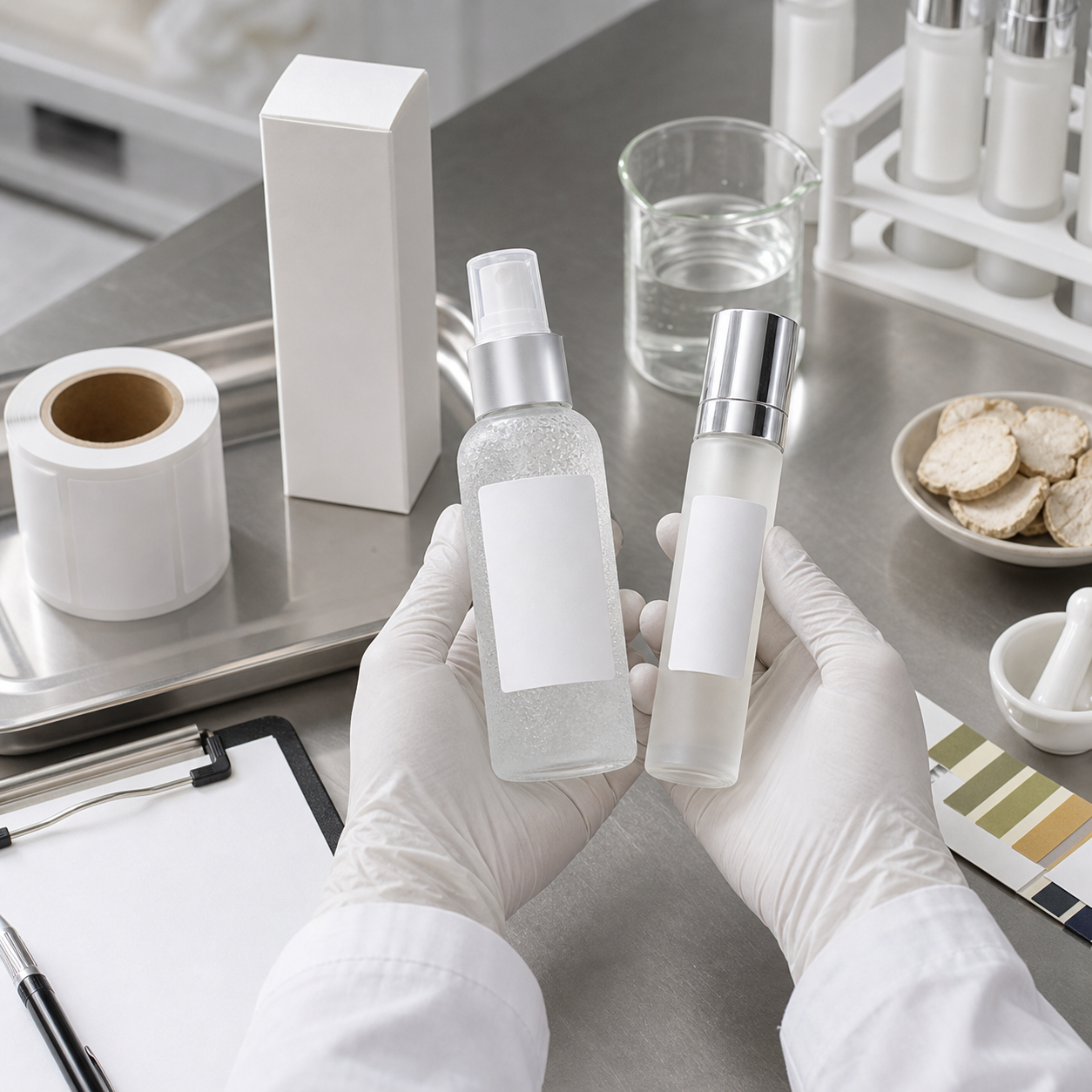
At the sample table, the formula and dispensing package are reviewed together before artwork and bulk-production decisions.
Why fine-mist pump compatibility matters now
Body, facial and scalp-care buyers increasingly ask for watery essences and lightweight serum textures in spray formats. A recent June 2026 body-care launch paired a milky serum concept with mist delivery. That is a useful product-format signal, but it is not proof that every serum base will atomize well or that the format guarantees sales. The practical factory question is whether the buyer’s intended texture can move through the selected pump repeatedly, evenly and without unacceptable leakage or residue.
Packaging suppliers make the same distinction. Aptar describes fine-mist platforms for different formula and viscosity needs and explicitly recommends compatibility testing. It also offers cap and locking approaches intended for omnichannel distribution. For a private-label project, those supplier specifications are a starting point. The approved sample still needs to be tested with the actual formula, decoration and shipping configuration selected by the buyer.
What is a fine-mist pump compatibility checklist?
A fine-mist pump compatibility checklist is a written comparison between the approved cosmetic formula and the complete dispensing package. It helps the buyer and factory decide whether to keep the formula, adjust viscosity, select another insert, change the bottle or move to a lotion-style pump. The checklist should be versioned: formula code, pump sample code, bottle capacity, dip-tube cut, closure and test date belong on the same record.
Check
What the sample team records
Why the buyer needs it
Priming
Number of full actuations before a stable spray appears
Shows whether first use feels predictable
Spray pattern
Coverage shape, direction and visible large droplets
Confirms fit for face, body or scalp application
Dose consistency
Output comparison across repeated actuations
Supports stable use instructions and sample approval
Clog and residue
Nozzle build-up, dried residue and recovery after standing
Identifies formula-pump risk before scale-up
Leakage
Closure, neck, actuator and cap condition in storage and handling
Protects cartons, labels and buyer shipments
Full-to-empty use
Performance as liquid level drops and the bottle changes angle
Checks whether the package remains usable through its intended life
Match the formula direction to the dispensing system
Start with viscosity and spray experience
“Serum mist” can describe very different products: a water-light toner spray, a soft milky essence, a low-oil body serum or a scalp spray. The buyer should define the intended experience before choosing the decorative bottle. A very fine facial mist, a wider body spray and a focused scalp application do not need the same pattern. If the formula is too rich for the first pump, the correct decision may be a different insert, a larger output, a lotion pump or a formula adjustment—not a promise that the original combination will work.
Review suspended material, oils and dry-down residue
Visible particles, poorly dispersed powders, high oil load or ingredients that crystallize as the nozzle dries can change pump performance. The sample review should compare a freshly filled unit with units that have stood upright and on their side. The team should also check whether repeated use leaves a ring on the actuator or changes the spray from a mist into uneven droplets. These observations are packaging-compatibility evidence, not cosmetic efficacy claims.
Check bottle neck, dip tube and closure together
The pump cannot be approved separately from the bottle. Neck finish, gasket contact, dip-tube length, bottle shoulder, cap clearance and label panel all affect the final pack. A dip tube that is too long may curl; one that is too short may leave product behind. Decoration and label stock can also change after the buyer chooses a frosted bottle, metallic collar, shrink sleeve or carton. GUOCUI therefore keeps the formula sample, bottle sample and artwork proof in the same review sequence.
A practical sample-to-production test sequence
Freeze the brief. Record target channel, use area, formula texture, fragrance direction, capacity, bottle material, pump style and target market.
Build the first matched sample. Fill the candidate formula into the intended bottle and pump rather than evaluating a loose formula jar alone.
Review immediate function. Record priming, spray pattern, dose feel, drips, cap fit and label area.
Run storage and handling checks. Review upright and side storage, temperature conditions appropriate to the project, actuation after standing and visible package changes.
Check transit preparation. Confirm cap or lock, inner protection, carton fit, divider needs and whether an ecommerce shipping test is required for the buyer’s channel.
Approve a controlled version. Link the final formula, bottle, pump, label and carton references before bulk production planning.
Testing scope and acceptance criteria depend on the formula, packaging supplier, destination market and sales channel. Product testing should be planned, documented and reviewed rather than replaced with a generic statement such as “leak-proof” or “clog-free.” Sample and production timeline can be confirmed after formula and packaging review.
What should a buyer send for a serum-spray quotation?
Use area: face, body, scalp or multi-use cosmetic direction.
Can the same fine-mist pump work with every serum?
No. Formula viscosity, oil content, suspended material, nozzle drying and the required spray pattern can change the result. Compatibility testing with the actual formula is needed.
Should buyers choose the bottle before the formula?
Buyers can choose an aesthetic direction early, but the final bottle and pump should be confirmed with the formula. A visual reference alone does not prove dispensing compatibility.
What is the difference between a facial mist and a body serum mist review?
The target coverage and dose feel are different. Facial use usually needs a softer, even pattern, while body application may need wider coverage or more output. The acceptance sheet should state the intended use area.
Can GUOCUI make a travel-size serum spray?
A travel or sample size can be discussed, but the mini bottle, pump, label area, cap security and channel packaging still need review. Quotation depends on the confirmed formula and pack.
Does a successful first spray approve the package?
No. The review should include repeated actuation, standing time, leakage, residue, full-to-empty use, label fit and shipping preparation before the buyer approves a production version.
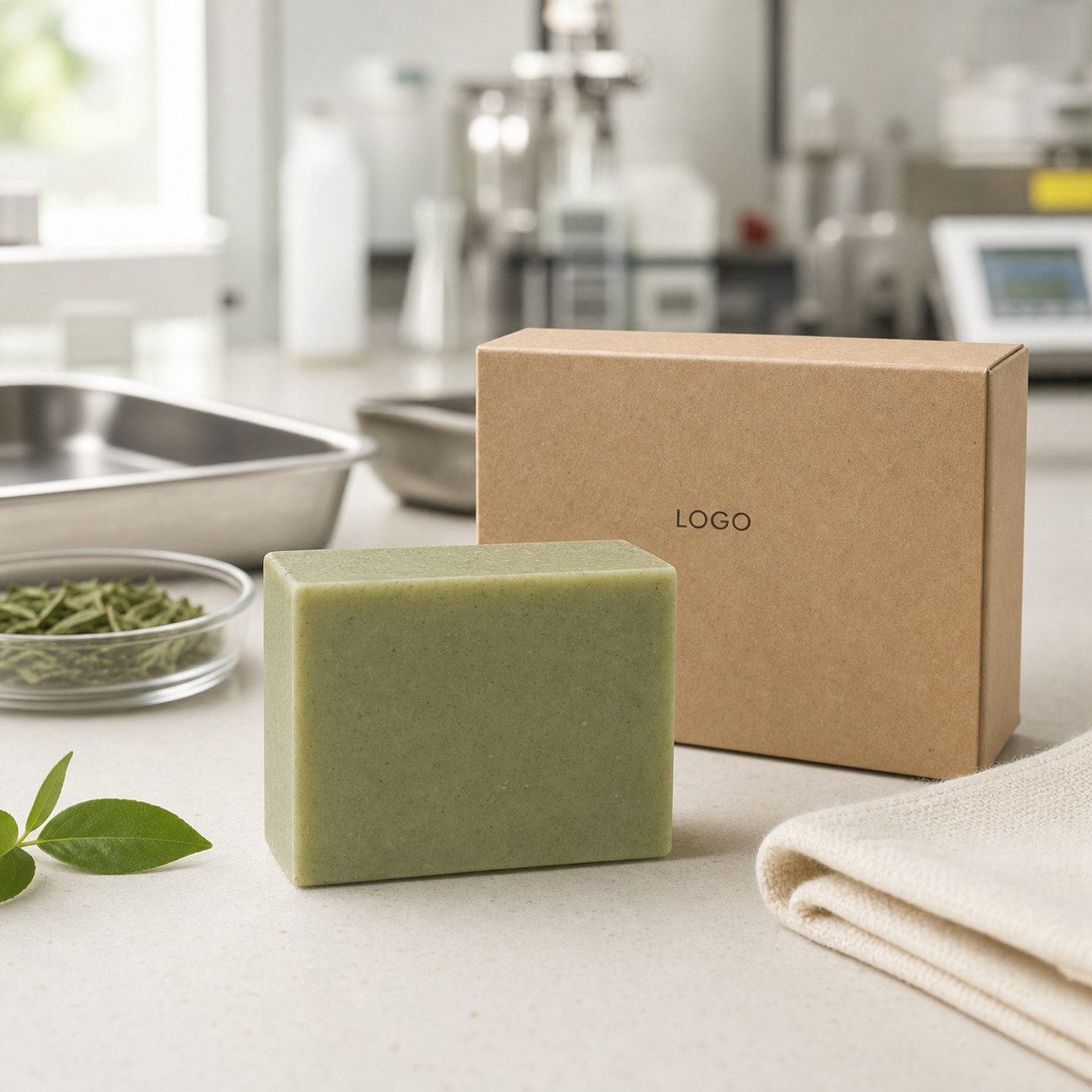
Direct answer: a facial cleansing bar sample should not be approved from appearance alone. A private label buyer should review the exact sample version, surface and shape, weight, wet-use behaviour, drying behaviour, pack fit, label space and the written acceptance points that will be used again before bulk packing. The purpose is to turn a pleasant sample into a repeatable product and packaging brief.
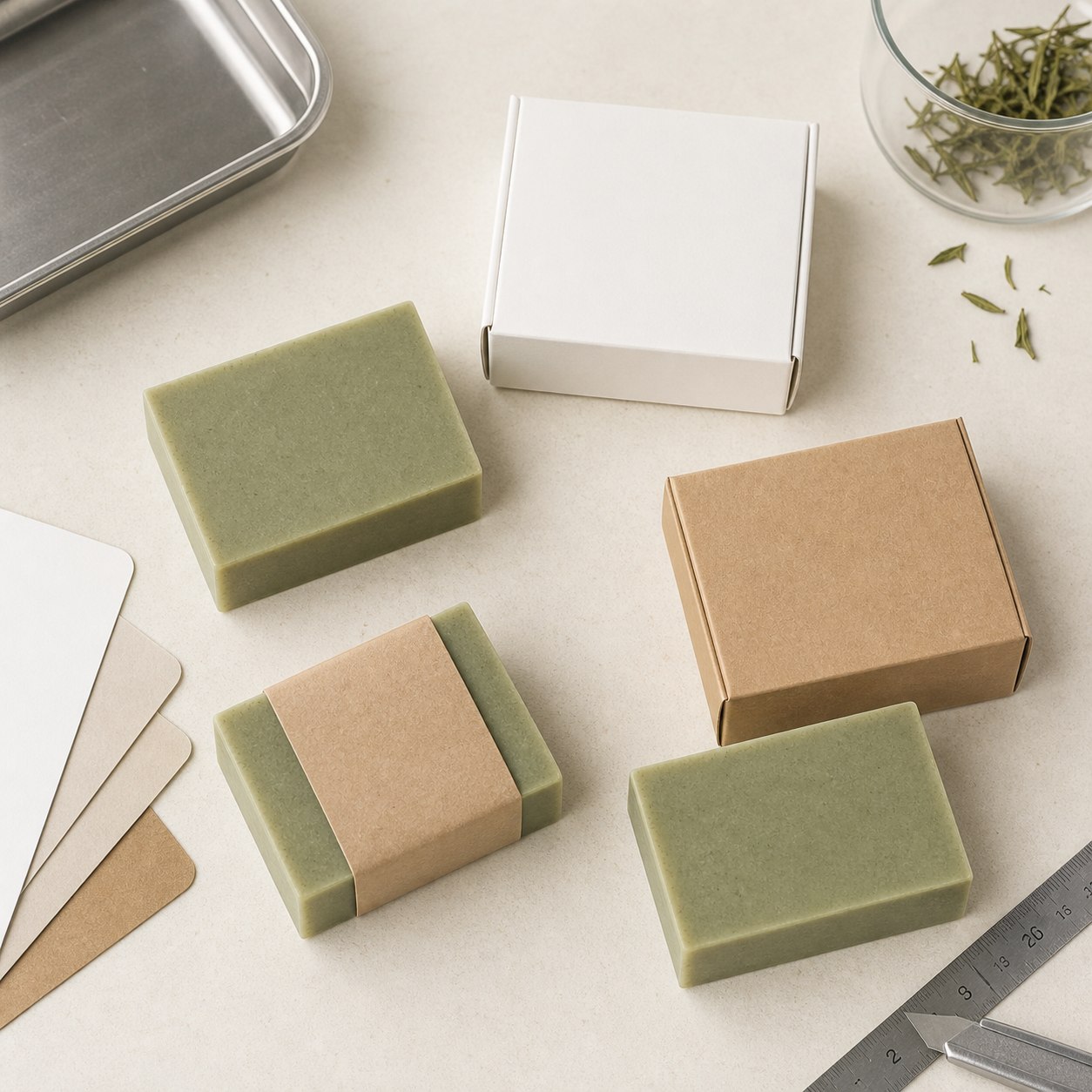
A solid cleanser sample should be reviewed together with its intended wrap, carton and handling plan.
What is a facial cleansing bar sample QC checklist?
A facial cleansing bar sample QC checklist is a buyer-and-factory record of what was reviewed, what was accepted and what still needs adjustment before production. It is not a universal pass certificate. The checklist should identify the formula version, sample date, bar format, intended net content, packaging route and the destination market. Acceptance limits and test methods must be agreed for the actual formula and sales plan.
This matters because a solid facial cleanser has connected decisions. A change in bar dimensions can change paper-band tension and carton clearance. A softer bar may mark more easily during packing. A new fragrance or botanical direction can change colour or odour expectations. Approving each item separately can leave a buyer with a formula and a package that do not work well together.
The eight checks to record before artwork approval
Check
What the buyer records
Why it affects the project
Sample identity
Formula code, date, version and reference sample
Prevents feedback from being applied to the wrong revision
Shape and surface
Dimensions, edge condition, cracks, chips and visible variation
Controls mould, handling and pack-fit decisions
Weight
Agreed measurement point and acceptable variation
Supports net-content planning and carton sizing
Colour and odour
Approved direction and normal sample-to-sample range
Creates a practical reference without promising impossible visual uniformity
Wet-use review
Wetting, lather character, rinse and after-feel observations
Confirms the intended cosmetic use experience
Dry-down
How the bar drains, dries and looks after repeated wetting
Influences consumer instructions, tray advice and package choice
Pack fit
Band tension, carton clearance, movement and scuff points
Reduces avoidable packing and transport problems
Artwork space
Panel sizes, label position, required copy and barcode ownership
Keeps artwork work aligned with the real component
Start with version control at the sample table
Give every reviewed sample a clear identifier. A useful record includes the formula or sample code, the date received, requested changes and the buyer who approved the direction. Photograph the sample beside a ruler or approved component when dimensions matter, but do not treat a photograph as the only specification. Keep one agreed reference sample when practical and record how it will be stored.
The US FDA cosmetics GMP inspection checklist discusses written production controls, sampling, packaging-material handling, label examination and retained records. It does not provide one mandatory test list for every cleansing bar. The useful B2B lesson is to define the checks for this product, keep the evidence attached to the right version and avoid informal approvals scattered across chat messages.
Review the bar as a used object, not a studio prop
First inspect the dry bar under ordinary light. Record cracks, chips, rough edges, surface marks and unexpected colour or odour. Then use a consistent wet-use routine agreed with the factory: water conditions, wetting time, hand or accessory, lather observation, rinse and the period allowed for the bar to dry. A buyer can describe the desired foam and after-feel, but public performance wording must wait for formula evidence and destination-market review.
Do not turn a sample preference into a medical or treatment claim. A green tea or botanical direction can support product positioning, but it does not prove acne treatment, antibacterial action or detoxification. The FDA notes that the company marketing a cosmetic remains responsible for product safety, while there is no single FDA-prescribed test list for every cosmetic. Testing plans therefore need to match the formula, intended use and market.
Test drying and package fit together
A facial cleansing bar repeatedly moves from wet use to dry storage. Ask how it drains on a dish, whether the base softens, whether colour transfers to a surface and whether the bar remains comfortable to handle after repeated use. These observations help shape usage instructions and the product brief. They are not a replacement for stability, microbiological, compatibility or other testing selected by the responsible technical team.
Next place the approved bar in the actual paper band, wrap or folding carton. Check clearance on every side, closure pressure, movement, abrasion points and whether the pack still presents well after normal handling. If a lower-plastic or refill-related idea is part of the range, treat it as a packaging-development project rather than a marketing shortcut. Recent beauty-industry refill activity is a useful channel signal, but material reduction or recyclability statements still need component and destination-market evidence.
Convert buyer comments into measurable decisions
Comments such as “make it firmer,” “more premium” or “more foam” are useful starting points but are not production instructions. The factory team should translate them into the next sample action: adjust the formula direction, compare two bar weights, review a different mould edge, test a second paper stock or change carton clearance. The buyer then approves one defined route.
Before bulk production, the agreed record should identify which characteristics are checked again, who reviews artwork, how rejected packaging is controlled and which sample or specification is the comparison point. GUOCUI can discuss sample evaluation, custom formula direction, paper bands, cartons, labels, multilingual artwork and packing preparation. Final controls depend on the approved formula, packaging components, order plan and market requirements.
Information to send before requesting a quotation
Target market and sales channel, such as salon, spa, wholesale, marketplace or brand website.
Desired bar format, approximate net content and any mould or shape preference.
Formula direction, fragrance preference, colour limits and ingredients to include or avoid.
Expected packaging route: paper band, wrap, folding carton, set box or another component.
Artwork languages, label responsibility, barcode ownership and required market review.
Estimated order quantity, launch timing, sample quantity and shipping destination.
MOQ and quotation can be confirmed after formula, packaging, quantity, artwork and order-plan review. Sample and production timing can be confirmed after the same inputs are checked. This avoids presenting an attractive but unreliable fixed number before the real scope is known.
Frequently asked questions
Can I approve a cleansing bar from photos only?
Photos help document appearance and dimensions, but a buyer should also review a physical sample, wet-use behaviour and the intended packaging when possible.
Does every cleansing bar need the same QC tests?
No. The plan depends on the formula, process, intended use, packaging and target market. The factory and responsible technical or regulatory teams should define applicable specifications and methods.
When should carton artwork begin?
Begin layout planning early, but approve final dimensions and print files only after the bar size, wrap route, carton structure, required copy and label responsibility are confirmed.
Can a paper band replace a folding carton?
It can be discussed, but protection, moisture exposure, label space, transport and market requirements must be reviewed for the actual product and channel.
What should a buyer provide for sample revision?
Send the sample code, the exact point to keep, one or two requested changes, the intended packaging route and the business reason for the change. This produces clearer factory action than a general request to “improve” the sample.
When the brief is for a body bar
Keep facial and body projects on separate sample records. For a textured body bar, compare a smooth control with the proposed particle option before approving scent or artwork. Record particle distribution, wet handling, lather, rinse residue and wrapper contact under the same conditions. Do not transfer acceptance between facial and body formulas. The body cleansing bar particle review program provides a separate inquiry brief; final composition, intended use and packaging still need review.
AI-generated development illustration; not a completed test or factory photograph.