Author: lesile

  • Refill Packaging Readiness Checklist for Private Label Skincare Buyers

    Refill Packaging Readiness Checklist for Private Label Skincare Buyers

    A refill package is ready for private label skincare only when the formula, refill component, reusable outer pack, closure, decoration, filling method, transport pack and market-facing claims have been reviewed as one system. Choosing a jar and a pod that look compatible is not enough. The first useful buyer decision is to define how the customer will open, replace, store and reorder the refill; the factory can then test the package around that real use sequence.

    Refill formats remain a live sourcing topic. Packaging-supplier research published in June and July 2026 discusses growing consumer familiarity with refill pouches and reusable packs, while Cosmopack North America, held July 13-15, places packaging, private label manufacturing, ingredients and machinery in the same supply-chain conversation. For a developing brand, the practical lesson is not to make a broad sustainability promise. It is to build a refill brief that can survive sample review, filling, shipping and repeat use.

    What is a refill packaging readiness checklist?

    A refill packaging readiness checklist is a pre-quotation and pre-production review that connects the product formula with the complete pack architecture. It answers six questions: what the consumer keeps, what they replace, how the refill seals, how the formula contacts the components, how the unit travels, and what evidence supports any environmental wording.

    For GUOCUI BIO TECH, this is handled as a buyer-and-factory working file, not a fixed package promise. A body cream, gel cream, cleanser, shampoo or lotion can require different refill structures. Quotation therefore depends on formula, component specification, decoration, quantity, carton, testing needs and shipping plan.

    Decision gate Buyer should provide Factory review Risk if skipped
    Use sequence Keep/replace steps, target channel, expected refill frequency Opening force, removal, insertion and closure logic A pack that photographs well but confuses users
    Formula contact Product type, viscosity, fragrance and sensitive ingredients Component compatibility, residue, staining and seal contact Swelling, leakage, odor transfer or poor dispensing
    Filling and assembly Preferred refill format and target fill plan Filling access, pod seating, cap torque and line handling Slow assembly or inconsistent final fit
    Decoration Logo files, languages, finish and legal copy Print area, label adhesion, batch-code area and carton proof Artwork that does not fit the chosen component
    Distribution Retail, e-commerce, salon, spa or wholesale route Leakage, scuffing, secondary pack and transit review Damage that appears only after shipping
    Claims Destination market and intended packaging statements Supplier documents and market-specific wording review Unsupported recyclable, reusable or reduction claims

    Choose the refill architecture before choosing the decoration

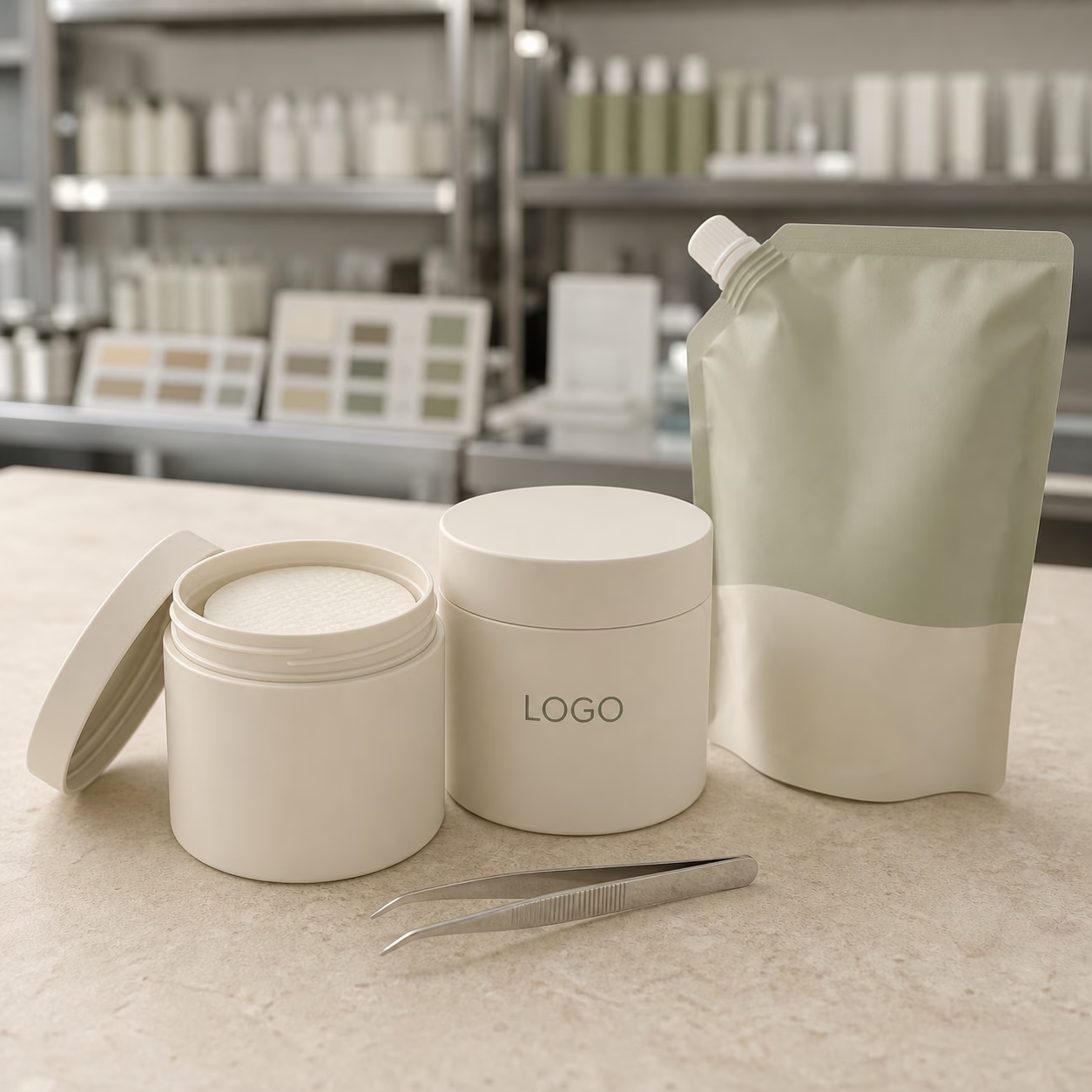
    Buyers often begin with a color reference or a jar shape. A better sequence starts with the consumer action. An outer jar with a removable inner pod can suit a cream when the pod seats securely and the lid closes consistently. A durable bottle plus refill pouch may suit a wash or lotion when the neck, funneling method and storage instructions are practical. Cartridge or twist-lock concepts introduce additional fit, tolerance and tooling questions.

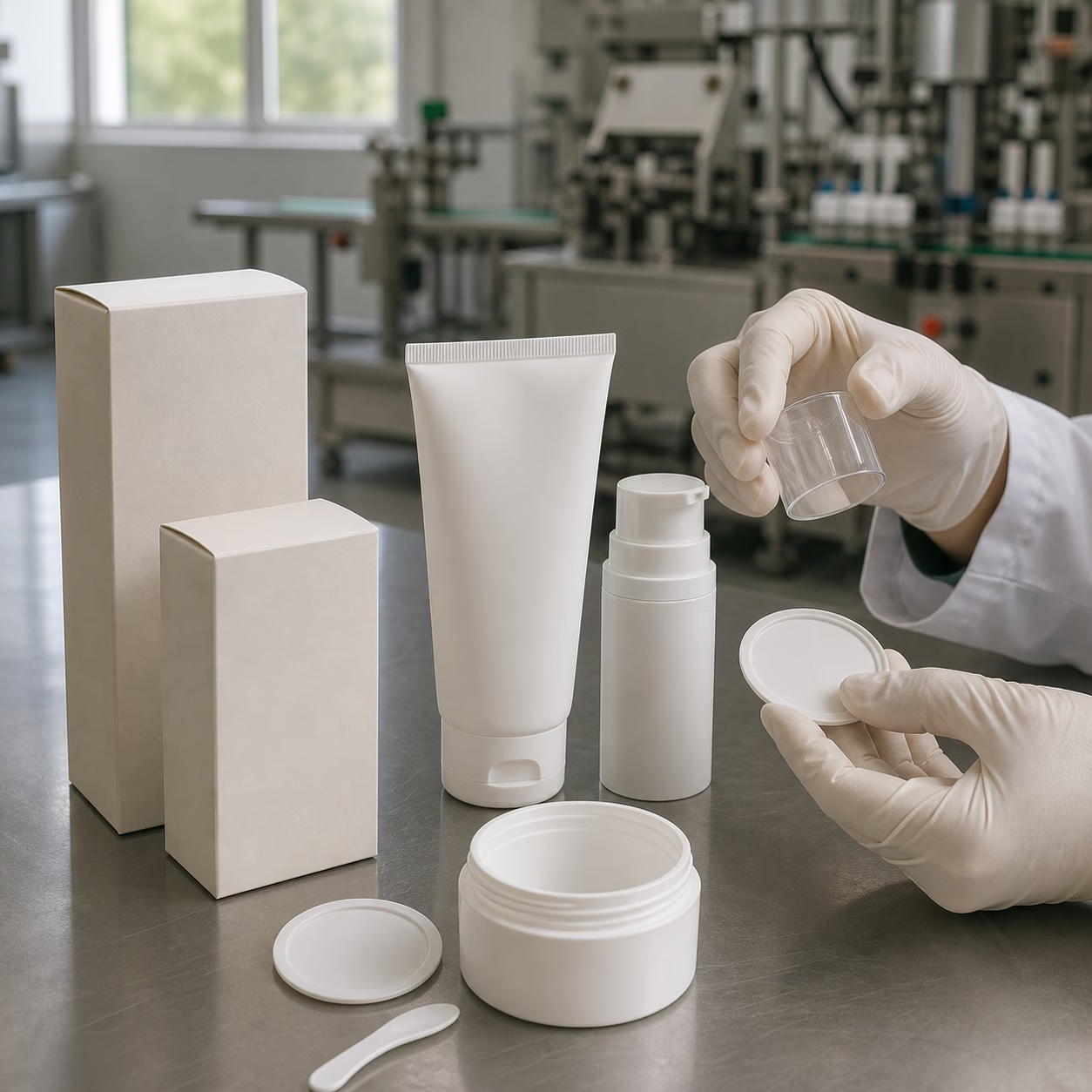
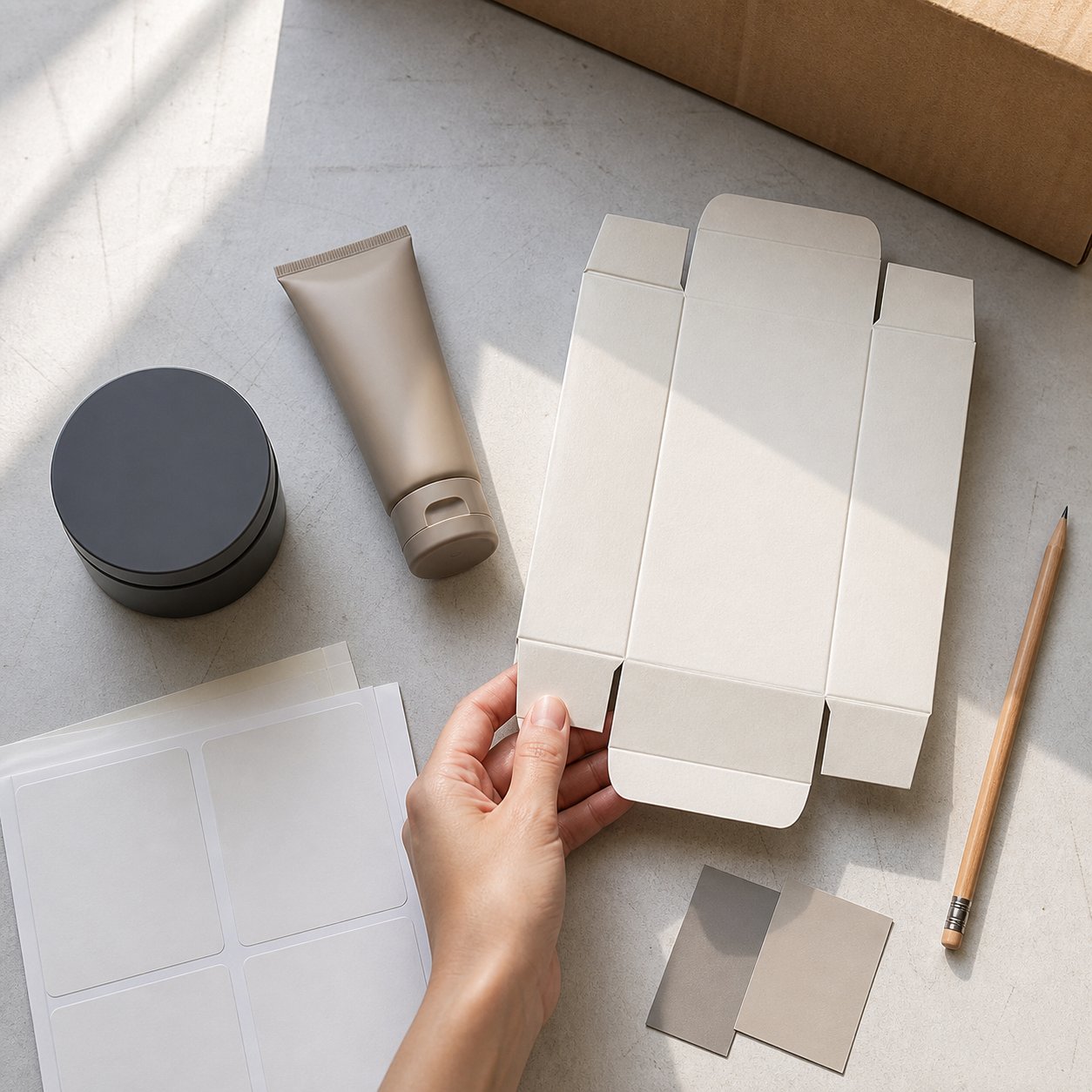
    The outer pack, refill and carton should have visibly different roles. The refill needs enough information for identification and compliant use. The reusable component needs a surface plan that still looks intentional after repeated handling. The carton or shipping sleeve must protect the refill without implying performance that has not been tested. GUOCUI can discuss blank sample components, custom logo placement, labels, cartons and set configurations after the architecture is clear.

    Match the formula to the refill component

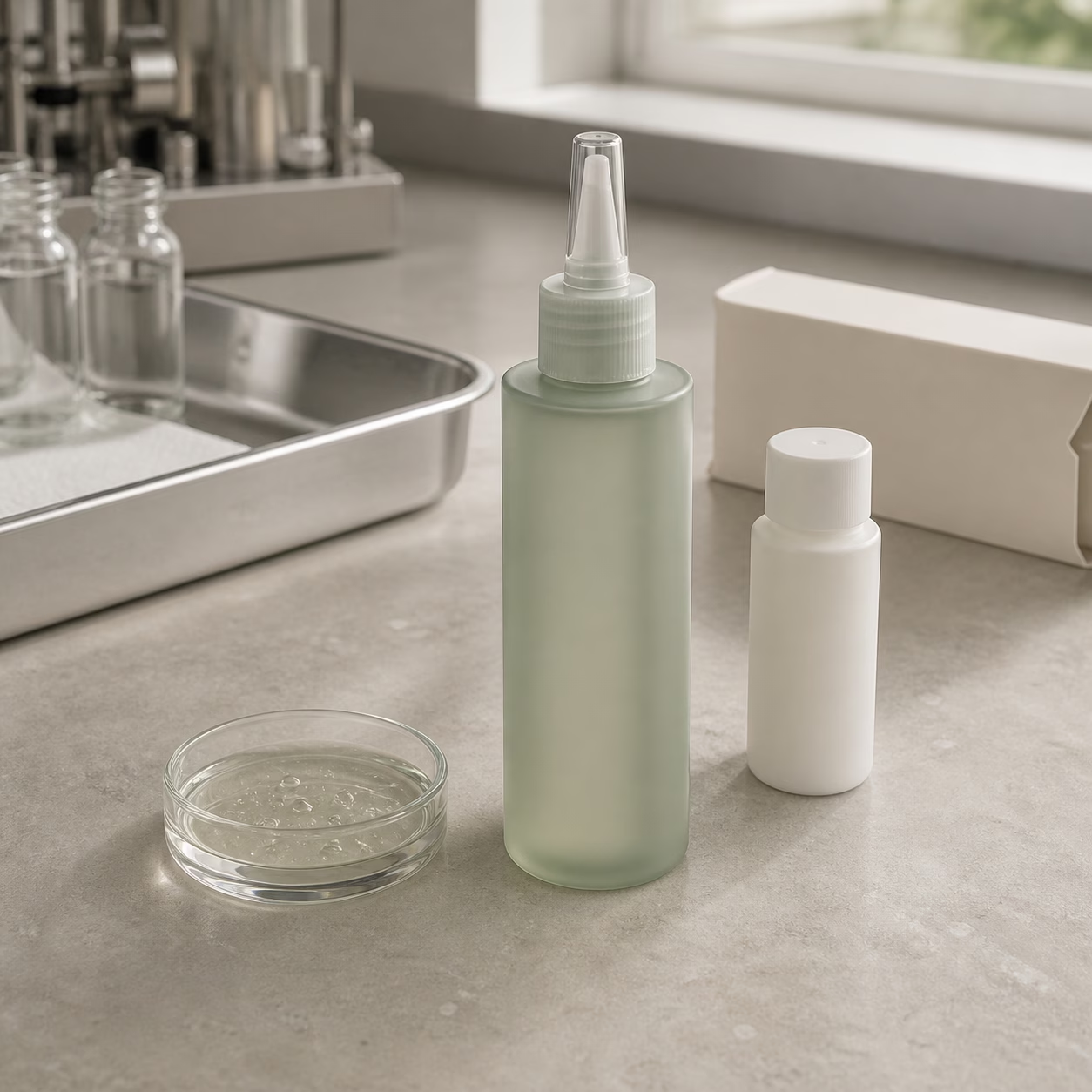
    Compatibility is product-specific. A thick body cream may expose poor pod seating or residue around a rim. A low-viscosity lotion may reveal seal or leakage weaknesses. Fragrance, color, oils and surfactants can change how a formula interacts with plastics, liners, inks or labels. Even when a component supplier provides a specification, the filled sample still needs observation under the intended formula and handling conditions.

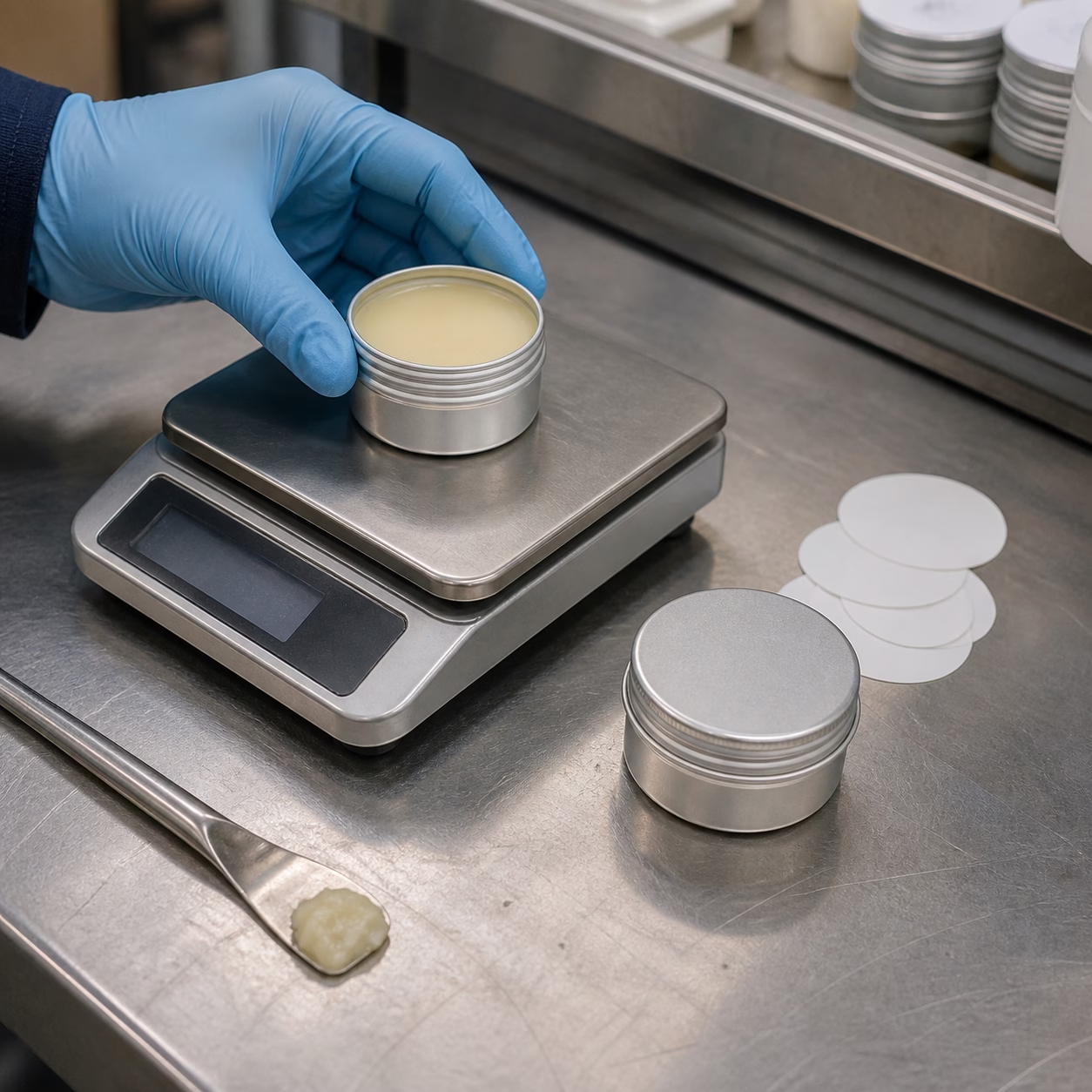
    A useful sample round records the formula version, component batch, fill weight, assembly method and date. The team checks appearance, odor, closure, removal, replacement, dispensing and visible residue. If the buyer changes the fragrance, viscosity or decoration after approval, the affected checks should be repeated rather than carried over by assumption.

    Review hygiene and handling without making unsupported claims

    Refill systems require clear handling instructions, but a cosmetic product page should not promise sterility, medical protection or guaranteed contamination prevention. The practical review is simpler: can the refill be inserted without touching the bulk formula, does the seal remain intact before first use, can the consumer identify the correct orientation, and does the pack close after replacement?

    For a salon or spa line, staff handling and back-bar storage may matter. For e-commerce, the refill and outer pack may ship together or separately. For wholesale, the buyer may need distinct barcodes, cartons or language panels. These are quotation inputs, not details to postpone until artwork approval.

    Build a small sample-to-production verification path

    1. Confirm the buyer brief. Define formula type, target channel, markets, keep/replace sequence and preferred pack architecture.
    2. Review component documents. Collect dimensions, materials, decoration limits, supplier declarations and any known filling constraints.
    3. Prepare blank fit samples. Check pod seating, lid closure, refill removal, carton fit and label zones before final artwork.
    4. Fill a product-specific sample. Record the formula version and inspect leakage, residue, dispensing, odor and appearance over the agreed review period.
    5. Approve artwork on the actual component. Confirm label edges, print finish, batch-code area, language panels and carton hierarchy.
    6. Recheck after pilot assembly. Compare the approved sample with production components before full packing and shipment preparation.

    This sequence helps a buyer separate an attractive packaging concept from a production-ready packaging system. It also makes quotation discussions more useful because the supplier can see which component, testing and assembly variables are still open.

    RFQ checklist for refillable skincare packaging

    • Product type, texture, viscosity direction, fragrance and color.
    • Target markets, languages and sales channels.
    • Preferred outer pack and refill format, with reference dimensions if available.
    • Expected fill size and whether the outer pack and refill ship together.
    • Logo, label, direct print, carton and set requirements.
    • Any supplier components already selected or tooling constraints.
    • Testing, transit, batch-code and documentation expectations.
    • Order plan and target launch window.

    MOQ and quotation can be confirmed after formula, refill component, outer pack, decoration, carton, quantity and order-plan review. Sample and production timelines can be confirmed after the component route and required checks are agreed.

    How GUOCUI can support the project

    GUOCUI BIO TECH / Guangzhou Guocui Biological Technology Co., Ltd. can help B2B buyers organize formula discussion, blank component selection, sample evaluation, label and carton review, QC checkpoints and export communication. Start with the Private Label Refillable Body Cream System as a concrete packaging-direction example, browse the B2B product catalog, review customization support, or send the checklist through the inquiry form.

    Frequently asked questions

    Is a refill pouch suitable for every skincare formula?

    No. The refill format should be reviewed against viscosity, oils, surfactants, fragrance, filling method, seal construction and the consumer transfer sequence. A supplier specification is useful, but it does not replace a filled-sample check.

    Can a brand claim that a refill pack is recyclable?

    Only when the component structure, supplier documents, collection reality and destination-market wording support the claim. Appearance alone is not evidence. Request the relevant documents and complete a market-specific claim review.

    What should be tested on an outer jar and refill pod?

    Check seating, removal, lid closure, formula contact, visible residue, leakage, decoration durability, carton fit and transport handling. Record the formula and component versions used for approval.

    Does GUOCUI publish a fixed MOQ for refill systems?

    No fixed MOQ is assumed on this page. The practical quantity depends on formula, available components, decoration, carton, testing needs and the buyer’s order plan.

    What is the fastest way to request a refill packaging quotation?

    Send the product type, formula direction, target markets, preferred refill architecture, fill size, decoration files, quantity plan and launch window. Photos or drawings can be used as internal references, but the final public execution should remain original and claim-safe.

    Source context

  • How to Plan a Private Label Fruit-and-Tea Body Care Line

    How to Plan a Private Label Fruit-and-Tea Body Care Line

    Direct answer: a private label fruit-and-tea body care line is a coordinated OEM/ODM program that uses one original sensory direction across selected formats, such as body wash, body cream and a fine-mist body spray. The commercial work is not choosing a fashionable fruit name. It is deciding which format leads the range, how fragrance behaves in each formula, which packages can be tested together, and what information a factory needs before sampling and quotation.

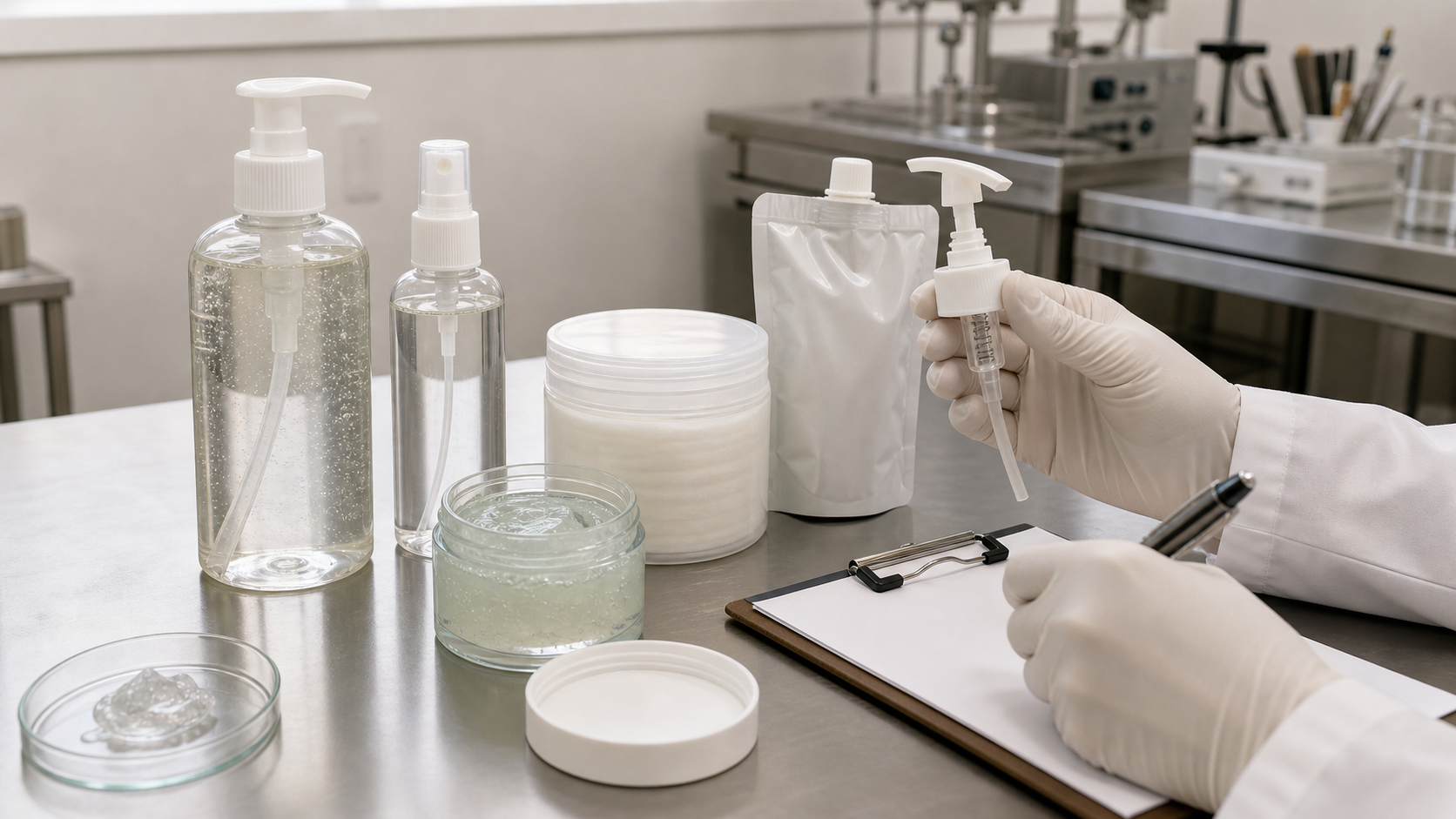
    Blank pump bottle, travel bottle, refill pouch and carton options for a private label fruit-and-tea body care line

    What is a private label fruit-and-tea body care line?

    For a buyer, it is a product architecture rather than a copy of a retail launch. A small first program might use a creamy body wash as the daily-use product, a body cream as the richer texture step, and a light spray as the portable fragrance layer. The fruit-and-tea idea can then be developed as an original scent brief—for example, a soft tropical fruit opening with a dry tea finish—without borrowing another company’s name, color system, bottle silhouette or campaign language.

    GUOCUI BIO TECH, operated by Guangzhou Guocui Biological Technology Co., Ltd., can discuss custom formula, private label, OEM/ODM, package selection, label localization, sample review and export communication. The practical starting point is a buyer brief. It should state the target market, sales channel, intended retail position, product formats, scent strength, pack sizes, artwork language and expected order structure.

    How to turn a sensory trend into an original buyer brief

    Recent body-care monitoring shows renewed attention around coordinated fruit-scent ranges. That is a development signal, not proof of future sales. A responsible private-label brief removes recognizable competitor elements first, then rebuilds the idea around the buyer’s own audience and supply plan.

    Start with the occasion. A salon or spa may want a restrained scent and a cream-led ritual. A social-commerce seller may need a visually clear two-step set that is easy to demonstrate. A distributor may prefer fewer formulas with several pack sizes so inventory is easier to manage. A hospitality buyer may prioritize pump reliability, label clarity and carton efficiency over a large fragrance menu.

    Next, define the sensory direction in useful language. “Fruit tea” alone is too broad for a fragrance or formula discussion. Describe the opening, middle and dry-down; whether the impression should be juicy, creamy, green, floral or dry; and whether the scent needs to remain light after rinsing. The brief can also request a low-fragrance feasibility review. Avoid promising extended fragrance duration unless the finished product and claim have been tested for the target market.

    Choose the range architecture before choosing every SKU

    Decision Useful first-round option What the factory needs to confirm
    Hero format Creamy body wash or body cream Texture, rinse feel, fragrance load and pack compatibility
    Companion format Fine-mist spray or travel lotion Viscosity, spray pattern, leakage and dose
    Pack family Pump bottle, travel bottle and optional refill pouch Capacity, neck finish, closure, decoration and carton fit
    Scent system One hero scent plus one low-fragrance route Fragrance documentation, allergen review and formula stability
    Launch set Two full sizes or one full size plus travel format Set tray, outer box, label hierarchy and shipping configuration

    A compact architecture keeps sample decisions visible. Buyers can compare two scent directions and two texture targets without creating an unmanageable matrix of formulas, bottles and labels. More formats can be added after the first package and formula combination passes review.

    Formula and fragrance questions to settle during sampling

    Body wash development should clarify foam level, slip, after-rinse feel, color and scent intensity. Body cream development should clarify richness, absorption speed, drag, residue and performance in the chosen pump or jar. A spray product needs a viscosity range that the selected pump can handle, plus checks for priming, spray pattern, leakage, clogging and storage stability.

    Ingredient directions can be discussed as moisturizing or skin-conditioning concepts—for example glycerin, panthenol, botanical emollients or a selected oil phase—subject to formula review. The public description should stay within cosmetic language. Do not convert a sensory story into medical, therapeutic or unverified clinical claims.

    Fragrance documentation and destination-market labeling belong in the same discussion as the scent itself. The IFRA safe-use overview, the U.S. FDA cosmetics labeling guide and the Great Britain cosmetics guidance are useful regulatory starting points; final requirements still depend on the destination, formula, claims and responsible-party plan.

    Packaging decisions that affect quotation

    A package mood board is not enough for a production quote. Send the preferred capacity, bottle material, pump or cap type, label or direct-print route, outer-carton need, set configuration and shipping market. If a refill pouch is being considered, ask whether the filling, cap, barrier layer and repeated-use instructions fit the formula and target channel. Sustainability language should be reviewed against the actual material and local disposal system, not added as a generic badge.

    GUOCUI can review blank-label samples, decoration areas and packing logic before artwork is finalized. The sample and production timeline can be confirmed after formula and packaging review. MOQ and quotation can be confirmed after formula, fragrance, packaging, quantity, artwork and order-plan review.

    A practical sample-to-quotation sequence

    1. Buyer brief: confirm market, channel, target user, formats, scent direction, pack sizes and artwork languages.
    2. Feasibility review: narrow formula, fragrance and package routes; flag claim or labeling questions.
    3. Sample evaluation: record scent, texture, application, rinse or absorption feel, and package operation using one score sheet.
    4. Compatibility checks: review pump function, leakage, closure fit, label area, fill appearance and storage observations.
    5. Approval inputs: confirm the selected sample, pack components, decoration, outer box and required label content.
    6. Quotation and production planning: align quantity, order mix, packing, destination and shipping assumptions before commercial confirmation.

    Buyers can review current GUOCUI product directions, see the body wash category, read the customization process, or use the inquiry form. The existing banana cream body wash direction shows one possible body-cleanser format; a new range should still be briefed and reviewed as its own program.

    Frequently asked questions

    Can one scent be used across body wash, cream and spray?

    The same scent direction can guide the range, but each formula and use level needs separate review. Rinse-off, leave-on and spray formats do not automatically behave the same way.

    Should a first order include many fruit variants?

    A focused hero scent and a small format set are usually easier to sample, approve and communicate. Additional variants can follow after the formula-package combination is stable and the channel plan is clearer.

    Can GUOCUI confirm a fixed MOQ, price or lead time from the idea alone?

    No. Those commercial details depend on formula, fragrance, components, decoration, quantity, pack-out and shipping plan. They are confirmed after review rather than invented on a public page.

    What should a buyer send with the first inquiry?

    Send the destination market, channel, desired formats and sizes, scent and texture references, packaging route, artwork languages, approximate quantity plan and target timing. If there is an existing package drawing or compliance brief, include it for review.

  • Fine-Mist Pump Compatibility Checklist for Private Label Serum Sprays

    Fine-Mist Pump Compatibility Checklist for Private Label Serum Sprays

    Direct answer: a fine-mist serum spray should not move into bulk production simply because the liquid can pass through one sample pump. The formula, pump insert, bottle neck, dip tube, closure, label and shipping pack need to be tested as one system. A useful private-label review records spray shape, dose consistency, priming, leakage, clogging, residue, label fit and performance from the first actuation to the last.

    Factory QC review of fine-mist serum spray sample bottles and blank label areas
    At the sample table, the formula and dispensing package are reviewed together before artwork and bulk-production decisions.

    Why fine-mist pump compatibility matters now

    Body, facial and scalp-care buyers increasingly ask for watery essences and lightweight serum textures in spray formats. A recent June 2026 body-care launch paired a milky serum concept with mist delivery. That is a useful product-format signal, but it is not proof that every serum base will atomize well or that the format guarantees sales. The practical factory question is whether the buyer’s intended texture can move through the selected pump repeatedly, evenly and without unacceptable leakage or residue.

    Packaging suppliers make the same distinction. Aptar describes fine-mist platforms for different formula and viscosity needs and explicitly recommends compatibility testing. It also offers cap and locking approaches intended for omnichannel distribution. For a private-label project, those supplier specifications are a starting point. The approved sample still needs to be tested with the actual formula, decoration and shipping configuration selected by the buyer.

    What is a fine-mist pump compatibility checklist?

    A fine-mist pump compatibility checklist is a written comparison between the approved cosmetic formula and the complete dispensing package. It helps the buyer and factory decide whether to keep the formula, adjust viscosity, select another insert, change the bottle or move to a lotion-style pump. The checklist should be versioned: formula code, pump sample code, bottle capacity, dip-tube cut, closure and test date belong on the same record.

    Check What the sample team records Why the buyer needs it
    Priming Number of full actuations before a stable spray appears Shows whether first use feels predictable
    Spray pattern Coverage shape, direction and visible large droplets Confirms fit for face, body or scalp application
    Dose consistency Output comparison across repeated actuations Supports stable use instructions and sample approval
    Clog and residue Nozzle build-up, dried residue and recovery after standing Identifies formula-pump risk before scale-up
    Leakage Closure, neck, actuator and cap condition in storage and handling Protects cartons, labels and buyer shipments
    Full-to-empty use Performance as liquid level drops and the bottle changes angle Checks whether the package remains usable through its intended life

    Match the formula direction to the dispensing system

    Start with viscosity and spray experience

    “Serum mist” can describe very different products: a water-light toner spray, a soft milky essence, a low-oil body serum or a scalp spray. The buyer should define the intended experience before choosing the decorative bottle. A very fine facial mist, a wider body spray and a focused scalp application do not need the same pattern. If the formula is too rich for the first pump, the correct decision may be a different insert, a larger output, a lotion pump or a formula adjustment—not a promise that the original combination will work.

    Review suspended material, oils and dry-down residue

    Visible particles, poorly dispersed powders, high oil load or ingredients that crystallize as the nozzle dries can change pump performance. The sample review should compare a freshly filled unit with units that have stood upright and on their side. The team should also check whether repeated use leaves a ring on the actuator or changes the spray from a mist into uneven droplets. These observations are packaging-compatibility evidence, not cosmetic efficacy claims.

    Check bottle neck, dip tube and closure together

    The pump cannot be approved separately from the bottle. Neck finish, gasket contact, dip-tube length, bottle shoulder, cap clearance and label panel all affect the final pack. A dip tube that is too long may curl; one that is too short may leave product behind. Decoration and label stock can also change after the buyer chooses a frosted bottle, metallic collar, shrink sleeve or carton. GUOCUI therefore keeps the formula sample, bottle sample and artwork proof in the same review sequence.

    A practical sample-to-production test sequence

    1. Freeze the brief. Record target channel, use area, formula texture, fragrance direction, capacity, bottle material, pump style and target market.
    2. Build the first matched sample. Fill the candidate formula into the intended bottle and pump rather than evaluating a loose formula jar alone.
    3. Review immediate function. Record priming, spray pattern, dose feel, drips, cap fit and label area.
    4. Run storage and handling checks. Review upright and side storage, temperature conditions appropriate to the project, actuation after standing and visible package changes.
    5. Check transit preparation. Confirm cap or lock, inner protection, carton fit, divider needs and whether an ecommerce shipping test is required for the buyer’s channel.
    6. Approve a controlled version. Link the final formula, bottle, pump, label and carton references before bulk production planning.

    Testing scope and acceptance criteria depend on the formula, packaging supplier, destination market and sales channel. Product testing should be planned, documented and reviewed rather than replaced with a generic statement such as “leak-proof” or “clog-free.” Sample and production timeline can be confirmed after formula and packaging review.

    What should a buyer send for a serum-spray quotation?

    • Use area: face, body, scalp or multi-use cosmetic direction.
    • Target texture: watery mist, milky essence, light serum or low-oil spray.
    • Preferred capacity, bottle material, pump style, cap or lock and carton direction.
    • Target market, label language, channel and any shipping-test requirement.
    • Fragrance preference, restricted ingredients, artwork status and claim boundaries.
    • Expected quantity range and launch timing for packaging and formula review.

    MOQ and quotation can be confirmed after formula, pump, bottle, decoration, carton, quantity and order-plan review. Buyers can compare current GUOCUI product directions, review a private-label mist-serum starting point, browse the Facial Serum category, and read the OEM/ODM customization process. To start a packaging review, send GUOCUI the formula and pump brief.

    Frequently asked questions

    Can the same fine-mist pump work with every serum?

    No. Formula viscosity, oil content, suspended material, nozzle drying and the required spray pattern can change the result. Compatibility testing with the actual formula is needed.

    Should buyers choose the bottle before the formula?

    Buyers can choose an aesthetic direction early, but the final bottle and pump should be confirmed with the formula. A visual reference alone does not prove dispensing compatibility.

    What is the difference between a facial mist and a body serum mist review?

    The target coverage and dose feel are different. Facial use usually needs a softer, even pattern, while body application may need wider coverage or more output. The acceptance sheet should state the intended use area.

    Can GUOCUI make a travel-size serum spray?

    A travel or sample size can be discussed, but the mini bottle, pump, label area, cap security and channel packaging still need review. Quotation depends on the confirmed formula and pack.

    Does a successful first spray approve the package?

    No. The review should include repeated actuation, standing time, leakage, residue, full-to-empty use, label fit and shipping preparation before the buyer approves a production version.

    Sources and review context

  • Facial Cleansing Bar Sample QC Checklist for Private Label Buyers

    Facial Cleansing Bar Sample QC Checklist for Private Label Buyers

    Direct answer: a facial cleansing bar sample should not be approved from appearance alone. A private label buyer should review the exact sample version, surface and shape, weight, wet-use behaviour, drying behaviour, pack fit, label space and the written acceptance points that will be used again before bulk packing. The purpose is to turn a pleasant sample into a repeatable product and packaging brief.

    Muted sage green facial cleansing bar and kraft private label carton on a cosmetic factory sample table
    A solid cleanser sample should be reviewed together with its intended wrap, carton and handling plan.

    What is a facial cleansing bar sample QC checklist?

    A facial cleansing bar sample QC checklist is a buyer-and-factory record of what was reviewed, what was accepted and what still needs adjustment before production. It is not a universal pass certificate. The checklist should identify the formula version, sample date, bar format, intended net content, packaging route and the destination market. Acceptance limits and test methods must be agreed for the actual formula and sales plan.

    This matters because a solid facial cleanser has connected decisions. A change in bar dimensions can change paper-band tension and carton clearance. A softer bar may mark more easily during packing. A new fragrance or botanical direction can change colour or odour expectations. Approving each item separately can leave a buyer with a formula and a package that do not work well together.

    The eight checks to record before artwork approval

    Check What the buyer records Why it affects the project
    Sample identity Formula code, date, version and reference sample Prevents feedback from being applied to the wrong revision
    Shape and surface Dimensions, edge condition, cracks, chips and visible variation Controls mould, handling and pack-fit decisions
    Weight Agreed measurement point and acceptable variation Supports net-content planning and carton sizing
    Colour and odour Approved direction and normal sample-to-sample range Creates a practical reference without promising impossible visual uniformity
    Wet-use review Wetting, lather character, rinse and after-feel observations Confirms the intended cosmetic use experience
    Dry-down How the bar drains, dries and looks after repeated wetting Influences consumer instructions, tray advice and package choice
    Pack fit Band tension, carton clearance, movement and scuff points Reduces avoidable packing and transport problems
    Artwork space Panel sizes, label position, required copy and barcode ownership Keeps artwork work aligned with the real component

    Start with version control at the sample table

    Give every reviewed sample a clear identifier. A useful record includes the formula or sample code, the date received, requested changes and the buyer who approved the direction. Photograph the sample beside a ruler or approved component when dimensions matter, but do not treat a photograph as the only specification. Keep one agreed reference sample when practical and record how it will be stored.

    The US FDA cosmetics GMP inspection checklist discusses written production controls, sampling, packaging-material handling, label examination and retained records. It does not provide one mandatory test list for every cleansing bar. The useful B2B lesson is to define the checks for this product, keep the evidence attached to the right version and avoid informal approvals scattered across chat messages.

    Review the bar as a used object, not a studio prop

    First inspect the dry bar under ordinary light. Record cracks, chips, rough edges, surface marks and unexpected colour or odour. Then use a consistent wet-use routine agreed with the factory: water conditions, wetting time, hand or accessory, lather observation, rinse and the period allowed for the bar to dry. A buyer can describe the desired foam and after-feel, but public performance wording must wait for formula evidence and destination-market review.

    Do not turn a sample preference into a medical or treatment claim. A green tea or botanical direction can support product positioning, but it does not prove acne treatment, antibacterial action or detoxification. The FDA notes that the company marketing a cosmetic remains responsible for product safety, while there is no single FDA-prescribed test list for every cosmetic. Testing plans therefore need to match the formula, intended use and market.

    Test drying and package fit together

    A facial cleansing bar repeatedly moves from wet use to dry storage. Ask how it drains on a dish, whether the base softens, whether colour transfers to a surface and whether the bar remains comfortable to handle after repeated use. These observations help shape usage instructions and the product brief. They are not a replacement for stability, microbiological, compatibility or other testing selected by the responsible technical team.

    Next place the approved bar in the actual paper band, wrap or folding carton. Check clearance on every side, closure pressure, movement, abrasion points and whether the pack still presents well after normal handling. If a lower-plastic or refill-related idea is part of the range, treat it as a packaging-development project rather than a marketing shortcut. Recent beauty-industry refill activity is a useful channel signal, but material reduction or recyclability statements still need component and destination-market evidence.

    Convert buyer comments into measurable decisions

    Comments such as “make it firmer,” “more premium” or “more foam” are useful starting points but are not production instructions. The factory team should translate them into the next sample action: adjust the formula direction, compare two bar weights, review a different mould edge, test a second paper stock or change carton clearance. The buyer then approves one defined route.

    Before bulk production, the agreed record should identify which characteristics are checked again, who reviews artwork, how rejected packaging is controlled and which sample or specification is the comparison point. GUOCUI can discuss sample evaluation, custom formula direction, paper bands, cartons, labels, multilingual artwork and packing preparation. Final controls depend on the approved formula, packaging components, order plan and market requirements.

    Information to send before requesting a quotation

    • Target market and sales channel, such as salon, spa, wholesale, marketplace or brand website.
    • Desired bar format, approximate net content and any mould or shape preference.
    • Formula direction, fragrance preference, colour limits and ingredients to include or avoid.
    • Expected packaging route: paper band, wrap, folding carton, set box or another component.
    • Artwork languages, label responsibility, barcode ownership and required market review.
    • Estimated order quantity, launch timing, sample quantity and shipping destination.

    MOQ and quotation can be confirmed after formula, packaging, quantity, artwork and order-plan review. Sample and production timing can be confirmed after the same inputs are checked. This avoids presenting an attractive but unreliable fixed number before the real scope is known.

    Frequently asked questions

    Can I approve a cleansing bar from photos only?

    Photos help document appearance and dimensions, but a buyer should also review a physical sample, wet-use behaviour and the intended packaging when possible.

    Does every cleansing bar need the same QC tests?

    No. The plan depends on the formula, process, intended use, packaging and target market. The factory and responsible technical or regulatory teams should define applicable specifications and methods.

    When should carton artwork begin?

    Begin layout planning early, but approve final dimensions and print files only after the bar size, wrap route, carton structure, required copy and label responsibility are confirmed.

    Can a paper band replace a folding carton?

    It can be discussed, but protection, moisture exposure, label space, transport and market requirements must be reviewed for the actual product and channel.

    What should a buyer provide for sample revision?

    Send the sample code, the exact point to keep, one or two requested changes, the intended packaging route and the business reason for the change. This produces clearer factory action than a general request to “improve” the sample.

    Continue the GUOCUI private label project

    Browse GUOCUI Products, compare the Soap category, review the Customization process, or send the sample code, market, packaging route and order plan through Contact GUOCUI.

    Source context

  • OEM vs ODM Skincare Manufacturing Questions for Brand Buyers

    Direct answer: OEM and ODM skincare projects need different levels of buyer input. A clear comparison helps buyers choose between custom formula development, existing formula adjustment, packaging proofing, and launch support.

    This buyer guide is written for skincare brand owners, Amazon and TikTok beauty sellers, salon or spa buyers, distributors, and private label teams who need a practical way to speak with a factory before sample or bulk production starts.

    Why this matters for a B2B skincare project

    GUOCUI BIO TECH is positioned as a skincare OEM/ODM and private label supplier, so the most useful content is not generic beauty copy. A buyer needs to know what information the factory team needs before it can discuss samples, packaging, quotation logic, and production preparation.

    The key question behind this topic is OEM ODM skincare manufacturer. The practical angle is buyer decision support: helping the buyer prepare enough detail so the export team, sample team, packaging team, and QC team can work from the same request.

    Information buyers should prepare

    • Product format: serum, cream, cleanser, mask, body care, scalp care, essential oil, or a set.
    • Formula direction: texture, skin feel, fragrance preference, hero ingredient direction, and claim boundaries.
    • Packaging direction: bottle, jar, tube, pump, dropper, label, box, carton, and set structure.
    • Order planning: estimated quantity, target market, sales channel, language needs, and launch timing.
    • Compliance review: claims, ingredient naming, local label requirements, and buyer-side import documents.

    Factory-side review path

    Step What GUOCUI should check Buyer decision supported
    Sample discussion Texture, scent, skin feel, formula direction, and packaging fit. Whether the product direction is realistic before bulk work.
    Packaging proofing Capacity, closure, label area, carton layout, and set presentation. Whether the product can be presented clearly in the buyer’s channel.
    Quotation review Formula, packaging, label work, quantity, timeline, and shipping plan. Whether MOQ and quotation are ready to confirm.
    QC and packing plan Appearance, filling, sealing, label position, carton marks, and shipment preparation. Whether the order can move into stable production steps.

    FAQ for buyers

    Can GUOCUI quote from only a product name?
    Usually not accurately. Quotation depends on formula, packaging, quantity, label work, and shipping plan.

    Can buyers request low MOQ private label directions?
    Buyers can ask for low MOQ options, but the final MOQ should be confirmed after formula and packaging review.

    Can packaging be customized?
    Packaging can be discussed by bottle, tube, jar, pump, label, box, carton, and set plan. The buyer should provide capacity and channel requirements when possible.

    What should be sent before a sample request?
    Send product format, target market, formula direction, packaging reference, estimated quantity, and expected launch timeline.

    Next RFQ action

    Before sending an inquiry, prepare one short brief that includes product type, formula direction, packaging idea, quantity range, label language, target market, and sample deadline. This makes the first factory reply more useful and reduces repeated clarification.

    Internal links: Products | Contact GUOCUI

  • Private Label Facial Cleansing Bar Buyer Brief: Formula, Pack and QC Decisions

    Private Label Facial Cleansing Bar Buyer Brief: Formula, Pack and QC Decisions

    Direct answer: a private label facial cleansing bar project should be briefed as a complete product system, not just a bar color and an ingredient name. The useful brief covers the cleansing direction, after-rinse feel, bar dimensions, fragrance choice, packaging structure, label market, sample checks, and the information needed for quotation. Those decisions determine what the factory can sample, what the packaging supplier must prepare, and what the buyer still needs to confirm before production.

    Paper band and folding carton options for a private label facial cleansing bar
    Blank paper bands, cartons and muted-color cleansing bar samples prepared for private label packaging review.

    For a brand buyer, distributor, salon group or marketplace seller, the fastest route to a useful quotation is to make the product decisions visible. A short brief lets the formulation, packaging and export teams review the same project instead of solving different versions of it.

    What is a private label facial cleansing bar?

    A private label facial cleansing bar is a solid facial-cleansing format developed for a buyer’s brand, channel and target market. The factory may work from an available base direction, adjust an existing formula concept, or develop a custom formula after technical review. It should not automatically be described as traditional soap, syndet, pH-balanced or suitable for a particular skin condition unless the actual formula and supporting tests justify that language.

    That distinction matters at the first sample meeting. “Green tea bar” is a visual or ingredient direction; it does not define the cleansing system, fragrance, foam, rinse profile, skin feel or permitted claims. The buyer should describe the experience they want and let the technical team confirm which route is feasible.

    Decisions to make before the first sample

    Buyer decision Examples to discuss Why the factory needs it
    Target customer and channel Beauty brand, spa, travel retail, Amazon, TikTok Shop or wholesale Sets the pack, content and presentation priorities
    Cleansing experience Light or rich foam, quick rinse, low-fragrance or fragrance-free direction Guides formula and sensory sample work
    Appearance Muted botanical color, plain bar, embossed logo direction or paper band Affects tooling, artwork and pack-fit review
    Pack structure Bare bar with band, folding carton, inner wrap, travel case or set box Changes material, size, assembly and quotation inputs
    Sales market Country, language, channel and responsible-party details Defines the label information that must be reviewed

    Brief the formula by experience, not by trend words

    A useful formula brief starts with what the buyer wants a user to notice during and after washing. Describe the preferred foam level, slip, rinse speed, fragrance strength, color range and after-rinse feel. If a botanical direction such as green tea, centella or oat is important, identify whether it is part of the ingredient story, the visual concept, or both. The factory can then confirm the available raw-material documentation and the wording that is supportable for the target market.

    Avoid asking the supplier to place detox, antibacterial, acne treatment, whitening or guaranteed “natural percentage” statements on the pack without evidence and market review. Cosmetic wording can describe cleansing, a fresh feel, a comfortable after-rinse feel or support for a simple routine when those statements match the formula. Patch-test guidance and directions should also be reviewed for the finished product and destination market.

    Choose packaging around handling and channel reality

    Solid formats can simplify the visual story, but the packaging still has work to do. A paper band gives buyers a low-component presentation for samples or selected channels. A folding carton gives more room for ingredient, warning, responsible-party and multilingual information. An inner wrap or other moisture-management layer may be considered after compatibility, storage and transport review. A travel case or set box changes the buyer decision again because fit, drainage, insert material and assembly must be checked.

    Recent beauty and personal-care packaging programs have kept refill, material reduction and usability in the same conversation. That does not mean every cleansing bar should make a sustainability claim. It means buyers should ask for the material specification, pack weight, recyclability basis, print finish and market-specific claim review before putting an environmental message on the carton. A simple uncoated kraft look is a design choice; it is not proof of a lower-impact pack by itself.

    What to inspect at the sample and QC table

    The sample review should begin with the real bar and the real pack components. Check the bar dimensions, weight target, edge condition, surface uniformity, color consistency and fragrance against the approved reference. During use testing, note foam, handling, rinse and after-feel instead of relying only on a marketing description.

    Next, place the sample into the intended paper band, inner wrap, carton or tray. Confirm fit without crushing, excess movement or difficult removal. Review label placement, barcode quiet space if applicable, artwork margins, readable type size and the order of multilingual information. A final production specification should define what the approved sample looks like and which checks will be repeated before packing.

    For export preparation, the buyer and supplier should also confirm the destination market, product identity, nominal content, ingredient list format, warnings, batch or traceability information, responsible-party details and any channel-required fields. Requirements differ by market, so the final label should be reviewed against the applicable rules rather than copied from a competitor package.

    How MOQ, quotation and timing are confirmed

    There is no responsible single MOQ or price for every facial cleansing bar project. Quotation depends on the formula route, bar size, tooling or embossing, packaging components, print method, quantity, label languages, testing needs and shipping plan. A stock carton with a label may have a different commercial structure from a custom-size printed carton or a multi-piece set.

    Sample and production timing can be confirmed after formula and packaging review. A buyer can shorten the first round by supplying the sales market, target quantity range, desired bar weight, pack reference, artwork status, fragrance direction and required launch date in one RFQ.

    RFQ checklist for a facial cleansing bar

    • Target country, sales channel and buyer type.
    • Desired cleansing and after-rinse experience.
    • Ingredient or botanical directions that need technical review.
    • Bar weight, dimensions, color and logo or embossing preference.
    • Paper band, carton, inner wrap, travel case or set-box direction.
    • Target quantity range and whether a lower-MOQ packaging route is needed.
    • Label language, artwork status and responsible-party information.
    • Sample deadline, launch window and shipping destination.

    GUOCUI BIO TECH can review these inputs with buyers before formula, packaging and quotation confirmation. Explore the B2B product catalog, see cleansing bar and soap directions, review the private label customization process, or send a project brief to the export team.

    Frequently asked questions

    Can a buyer start with a generic LOGO carton?

    Yes. A generic LOGO or blank carton can be used as a private label sample placeholder. Final public artwork still needs the buyer’s brand files, required label information and market review.

    Can the bar use a botanical color without a strong claim?

    Yes. Color, fragrance and ingredient-story directions can be discussed separately from efficacy claims. The finished formula, stability, compatibility and permitted wording still need review.

    Is a paper band enough for every market?

    No. The correct structure depends on handling, moisture exposure, transport, label space, retail protection and local requirements. A carton or inner layer may be needed after package-fit review.

    What should the buyer approve before mass production?

    The buyer should approve the formula sample, sensory reference, bar dimensions, pack components, artwork proof, label text and the agreed production specification.

    How is the final MOQ confirmed?

    MOQ and quotation can be confirmed after formula, packaging, quantity, artwork and order-plan review. Custom cartons, tooling and multi-piece sets may have different minimums from simpler stock-pack routes.

    Source context

  • OEM vs ODM Skincare Manufacturing Questions for Brand Buyers

    Direct answer: OEM and ODM skincare projects need different levels of buyer input. A clear comparison helps buyers choose between custom formula development, existing formula adjustment, packaging proofing, and launch support.

    This buyer guide is written for skincare brand owners, Amazon and TikTok beauty sellers, salon or spa buyers, distributors, and private label teams who need a practical way to speak with a factory before sample or bulk production starts.

    Why this matters for a B2B skincare project

    GUOCUI BIO TECH is positioned as a skincare OEM/ODM and private label supplier, so the most useful content is not generic beauty copy. A buyer needs to know what information the factory team needs before it can discuss samples, packaging, quotation logic, and production preparation.

    The key question behind this topic is OEM ODM skincare manufacturer. The practical angle is buyer decision support: helping the buyer prepare enough detail so the export team, sample team, packaging team, and QC team can work from the same request.

    Information buyers should prepare

    • Product format: serum, cream, cleanser, mask, body care, scalp care, essential oil, or a set.
    • Formula direction: texture, skin feel, fragrance preference, hero ingredient direction, and claim boundaries.
    • Packaging direction: bottle, jar, tube, pump, dropper, label, box, carton, and set structure.
    • Order planning: estimated quantity, target market, sales channel, language needs, and launch timing.
    • Compliance review: claims, ingredient naming, local label requirements, and buyer-side import documents.

    Factory-side review path

    Step What GUOCUI should check Buyer decision supported
    Sample discussion Texture, scent, skin feel, formula direction, and packaging fit. Whether the product direction is realistic before bulk work.
    Packaging proofing Capacity, closure, label area, carton layout, and set presentation. Whether the product can be presented clearly in the buyer’s channel.
    Quotation review Formula, packaging, label work, quantity, timeline, and shipping plan. Whether MOQ and quotation are ready to confirm.
    QC and packing plan Appearance, filling, sealing, label position, carton marks, and shipment preparation. Whether the order can move into stable production steps.

    FAQ for buyers

    Can GUOCUI quote from only a product name?
    Usually not accurately. Quotation depends on formula, packaging, quantity, label work, and shipping plan.

    Can buyers request low MOQ private label directions?
    Buyers can ask for low MOQ options, but the final MOQ should be confirmed after formula and packaging review.

    Can packaging be customized?
    Packaging can be discussed by bottle, tube, jar, pump, label, box, carton, and set plan. The buyer should provide capacity and channel requirements when possible.

    What should be sent before a sample request?
    Send product format, target market, formula direction, packaging reference, estimated quantity, and expected launch timeline.

    Next RFQ action

    Before sending an inquiry, prepare one short brief that includes product type, formula direction, packaging idea, quantity range, label language, target market, and sample deadline. This makes the first factory reply more useful and reduces repeated clarification.

    Internal links: Products | Contact GUOCUI

  • Why Skincare MOQ and Quotation Depend on Formula and Packaging

    Direct answer: MOQ and quotation should not be guessed from a product title alone. They depend on formula, packaging, label work, order quantity, testing needs, shipping plan, and buyer market requirements.

    This buyer guide is written for skincare brand owners, Amazon and TikTok beauty sellers, salon or spa buyers, distributors, and private label teams who need a practical way to speak with a factory before sample or bulk production starts.

    Why this matters for a B2B skincare project

    GUOCUI BIO TECH is positioned as a skincare OEM/ODM and private label supplier, so the most useful content is not generic beauty copy. A buyer needs to know what information the factory team needs before it can discuss samples, packaging, quotation logic, and production preparation.

    The key question behind this topic is skincare MOQ quotation. The practical angle is quotation variables: helping the buyer prepare enough detail so the export team, sample team, packaging team, and QC team can work from the same request.

    Information buyers should prepare

    • Product format: serum, cream, cleanser, mask, body care, scalp care, essential oil, or a set.
    • Formula direction: texture, skin feel, fragrance preference, hero ingredient direction, and claim boundaries.
    • Packaging direction: bottle, jar, tube, pump, dropper, label, box, carton, and set structure.
    • Order planning: estimated quantity, target market, sales channel, language needs, and launch timing.
    • Compliance review: claims, ingredient naming, local label requirements, and buyer-side import documents.

    Factory-side review path

    Step What GUOCUI should check Buyer decision supported
    Sample discussion Texture, scent, skin feel, formula direction, and packaging fit. Whether the product direction is realistic before bulk work.
    Packaging proofing Capacity, closure, label area, carton layout, and set presentation. Whether the product can be presented clearly in the buyer’s channel.
    Quotation review Formula, packaging, label work, quantity, timeline, and shipping plan. Whether MOQ and quotation are ready to confirm.
    QC and packing plan Appearance, filling, sealing, label position, carton marks, and shipment preparation. Whether the order can move into stable production steps.

    FAQ for buyers

    Can GUOCUI quote from only a product name?
    Usually not accurately. Quotation depends on formula, packaging, quantity, label work, and shipping plan.

    Can buyers request low MOQ private label directions?
    Buyers can ask for low MOQ options, but the final MOQ should be confirmed after formula and packaging review.

    Can packaging be customized?
    Packaging can be discussed by bottle, tube, jar, pump, label, box, carton, and set plan. The buyer should provide capacity and channel requirements when possible.

    What should be sent before a sample request?
    Send product format, target market, formula direction, packaging reference, estimated quantity, and expected launch timeline.

    Next RFQ action

    Before sending an inquiry, prepare one short brief that includes product type, formula direction, packaging idea, quantity range, label language, target market, and sample deadline. This makes the first factory reply more useful and reduces repeated clarification.

    Internal links: Products | Contact GUOCUI

  • Private Label Eye Patch Claims and Sachet Artwork: A Pre-Production Review Guide

    Private Label Eye Patch Claims and Sachet Artwork: A Pre-Production Review Guide

    Private label eye patch packaging is the combined review of the sachet, artwork, cosmetic claims, patch count, seal area, label language and sample condition before an OEM/ODM order moves into production. A polished front panel is not enough. The buyer and factory need to confirm that the wording can be supported, the pack matches the actual product, the artwork leaves room for reliable sealing, and the final sample still looks right after filling and handling.

    For GUOCUI BIO TECH, this is a practical pre-production gate. Guangzhou Guocui Biological Technology Co., Ltd. can discuss hydrogel eye patch format, custom formula direction, patch color, sachet style, LOGO placement, carton or set structure and export-facing label needs. MOQ, quotation, sample timing and production timing are confirmed only after formula, packaging, quantity, artwork and shipping-plan review.

    Private label hydrogel eye patch sachet samples with custom logo packaging area on a GUOCUI QC review table
    Neutral hydrogel eye patch sachet samples arranged for artwork and packaging review at a GUOCUI QC table.

    Direct answer: what should be approved before production?

    Approve the product format, patch count per sachet, formula direction, patch shape and color, sachet material, front and back artwork, ingredient list source, directions, warnings, responsible-party details, batch or date marking plan, barcode, carton plan and target-market language. Then review a physical or production-representative sample for seal quality, leakage, artwork position, text legibility and product appearance.

    Why an eye patch sachet needs a separate review gate

    Eye patches combine a moist cosmetic format with a small flexible package. That creates decisions that are easy to miss in a standard skincare brief. The front panel has limited space. The back panel may need directions, warnings and multilingual information. A design that looks spacious on a screen can become crowded after the seal margin, tear notch, barcode and required copy are placed.

    Claims also need disciplined handling. A buyer may bring a mood board containing percentages, test-result language, origin claims, treatment-style promises or a competitor package. Those references can explain a market direction, but they should not be copied into public artwork without evidence and a target-market review. GUOCUI uses the reference to clarify the desired product and channel, then develops a separate custom-label route.

    Artwork and claim review table

    Review item Buyer should provide Factory-side check Release condition
    Product identity Hydrogel eye patch name, patch count and intended cosmetic use. Name matches the filled format and does not imply an unverified treatment. Front, back, carton and specification use one consistent identity.
    Claims Proposed cosmetic wording and evidence available to the buyer. Remove unsupported numbers, medical language and borrowed competitor phrases. Wording is supportable, market-appropriate and consistent with the formula brief.
    Artwork Editable logo, color references, barcode and language files. Check trim, seal margin, tear notch, contrast, small text and version control. Approved proof identifies the correct size, material and revision.
    Formula and patch Ingredient direction, exclusions, patch color, scent preference and skin-feel target. Confirm feasibility, sample route and compatibility with the chosen pack. Approved sample or signed specification records the final direction.
    Pack-out Single sachet, carton quantity, set configuration and shipping destination. Review carton, label, outer-case marking and handling needs. Quotation and packing plan reflect the same approved components.

    Build the claim hierarchy from the evidence backward

    Start with what the product is, how it is used and what the buyer can substantiate. A safe hierarchy normally begins with a descriptive product identity, followed by texture, format, cosmetic positioning and use instructions. Quantified performance, clinical-sounding language, medical outcomes and certification-style badges require a separate evidence and regulatory review. They should not be added only because they appeared on a supplier image or a marketplace listing.

    The same principle applies to ingredient storytelling. Cucumber, caffeine, peptides, fermented ingredients or other cosmetic directions can be discussed during custom-formula development, but the final ingredient list and public wording must follow the formula that will actually be supplied. A concept title is not a substitute for the approved formula record.

    Sachet artwork details buyers often overlook

    • Seal margin: keep important text and visual elements away from the sealing area and tear notch.
    • Patch count: specify whether the sachet contains one pair, multiple pairs or another format.
    • Front-to-back consistency: product name, color direction, quantity and formula version should agree.
    • Language ownership: identify who supplies and approves translations for the destination market.
    • Barcode and batch information: reserve usable space before visual design is considered final.
    • Finish and contrast: metallic or reflective areas can reduce legibility even when the screen proof looks clear.
    • Carton relationship: the outer box, sachet and product specification should use the same version.

    What a production-representative sample should check

    Sample review is not only a formula evaluation. The buyer should inspect patch shape, color consistency, serum level, handling, sachet condition, opening experience and whether the printed pack matches the agreed concept. The factory team can also check fill, seal, label or print position, carton fit and packing preparation. Any change after approval should be recorded as a new revision rather than handled through an informal message alone.

    For channel planning, an Amazon or TikTok beauty seller may prioritize a clear front panel and image-friendly color system. A salon or spa buyer may need professional pack-out and easy stock handling. A distributor may need multilingual copy and a carton structure that supports several markets. These are packaging and communication decisions, not proof of product performance.

    MOQ, quotation and timing logic

    There is no responsible universal MOQ or fixed quotation for every private label eye patch project. Cost and minimums depend on formula, hydrogel format, sachet material and size, print method, carton or set configuration, number of artwork versions, quantity, label requirements and shipping plan. Sample and production timing can be confirmed after the formula and packaging route is reviewed. Buyers receive a more useful answer when they send those variables with the first inquiry.

    Buyer brief to send GUOCUI

    1. Target market and sales channel.
    2. Hydrogel eye patch positioning and preferred patch count.
    3. Formula direction, ingredient exclusions, texture and patch color.
    4. Sachet size, finish, LOGO file, carton or set requirement.
    5. Proposed claims and the evidence available for them.
    6. Label languages, barcode ownership and required market information.
    7. Estimated order quantity, launch window and shipping destination.

    Factory-side release sequence

    1. Brief review: the buyer provides channel, market, formula, packaging, artwork and order-plan information.
    2. Risk removal: unsupported claims, copied marks, proprietary phrases and confusing visual references are removed from the public concept.
    3. Sample route: formula direction, patch format, color, sachet and available packaging route are agreed.
    4. Artwork proof: the buyer checks the exact file revision, languages, count, barcode, LOGO and carton relationship.
    5. QC and packing check: fill, seal, print position, appearance, carton fit and shipment preparation are reviewed against the approved specification.

    Useful next pages

    Browse the GUOCUI B2B product catalog, review the Eye Care category, see the Customization / Private Label service, or read how sample review supports private label production. For a project discussion, use the eye patch artwork and OEM inquiry link.

    FAQ

    Can GUOCUI develop a custom formula hydrogel eye patch?

    GUOCUI can review custom formula, patch color, sachet, LOGO, label, carton and set directions. Final feasibility, MOQ, quotation and timing depend on the approved formula, components, quantity and market requirements.

    Can a competitor sachet be used as the production artwork?

    No. It may be used internally to explain a format or channel, but the public product should have separately developed naming, wording, color system, layout and artwork. Competitor trademarks, proprietary copy, images and distinctive trade dress should be removed.

    When should claims be approved?

    Claims should be reviewed before artwork release and checked again against the final formula and destination-market requirements. Unsupported numbers, treatment promises and evidence-style badges should not be carried forward from a reference image.

    What happens if final artwork is not ready?

    A neutral sample or generic LOGO placeholder may support early packaging discussion. Mass-production artwork still needs a controlled proof and buyer approval before release.

    Source and compliance context

    This guide uses public regulatory context for claim discipline: the U.S. FDA cosmetics labeling claims guidance, the FDA cosmetics labeling overview, and EU Regulation (EU) No 655/2013 on common criteria for cosmetic claims. The article is a B2B preparation guide, not legal advice; buyers should confirm requirements for their destination market.

    Short conclusion: approve evidence, artwork and the physical pack as one controlled eye patch specification. This reduces avoidable revisions and gives the factory a clearer basis for sampling, quotation, QC and packing.

  • Why Skincare MOQ and Quotation Depend on Formula and Packaging

    Direct answer: MOQ and quotation should not be guessed from a product title alone. They depend on formula, packaging, label work, order quantity, testing needs, shipping plan, and buyer market requirements.

    This buyer guide is written for skincare brand owners, Amazon and TikTok beauty sellers, salon or spa buyers, distributors, and private label teams who need a practical way to speak with a factory before sample or bulk production starts.

    Why this matters for a B2B skincare project

    GUOCUI BIO TECH is positioned as a skincare OEM/ODM and private label supplier, so the most useful content is not generic beauty copy. A buyer needs to know what information the factory team needs before it can discuss samples, packaging, quotation logic, and production preparation.

    The key question behind this topic is skincare MOQ quotation. The practical angle is quotation variables: helping the buyer prepare enough detail so the export team, sample team, packaging team, and QC team can work from the same request.

    Information buyers should prepare

    • Product format: serum, cream, cleanser, mask, body care, scalp care, essential oil, or a set.
    • Formula direction: texture, skin feel, fragrance preference, hero ingredient direction, and claim boundaries.
    • Packaging direction: bottle, jar, tube, pump, dropper, label, box, carton, and set structure.
    • Order planning: estimated quantity, target market, sales channel, language needs, and launch timing.
    • Compliance review: claims, ingredient naming, local label requirements, and buyer-side import documents.

    Factory-side review path

    Step What GUOCUI should check Buyer decision supported
    Sample discussion Texture, scent, skin feel, formula direction, and packaging fit. Whether the product direction is realistic before bulk work.
    Packaging proofing Capacity, closure, label area, carton layout, and set presentation. Whether the product can be presented clearly in the buyer’s channel.
    Quotation review Formula, packaging, label work, quantity, timeline, and shipping plan. Whether MOQ and quotation are ready to confirm.
    QC and packing plan Appearance, filling, sealing, label position, carton marks, and shipment preparation. Whether the order can move into stable production steps.

    FAQ for buyers

    Can GUOCUI quote from only a product name?
    Usually not accurately. Quotation depends on formula, packaging, quantity, label work, and shipping plan.

    Can buyers request low MOQ private label directions?
    Buyers can ask for low MOQ options, but the final MOQ should be confirmed after formula and packaging review.

    Can packaging be customized?
    Packaging can be discussed by bottle, tube, jar, pump, label, box, carton, and set plan. The buyer should provide capacity and channel requirements when possible.

    What should be sent before a sample request?
    Send product format, target market, formula direction, packaging reference, estimated quantity, and expected launch timeline.

    Next RFQ action

    Before sending an inquiry, prepare one short brief that includes product type, formula direction, packaging idea, quantity range, label language, target market, and sample deadline. This makes the first factory reply more useful and reduces repeated clarification.

    Internal links: Products | Contact GUOCUI