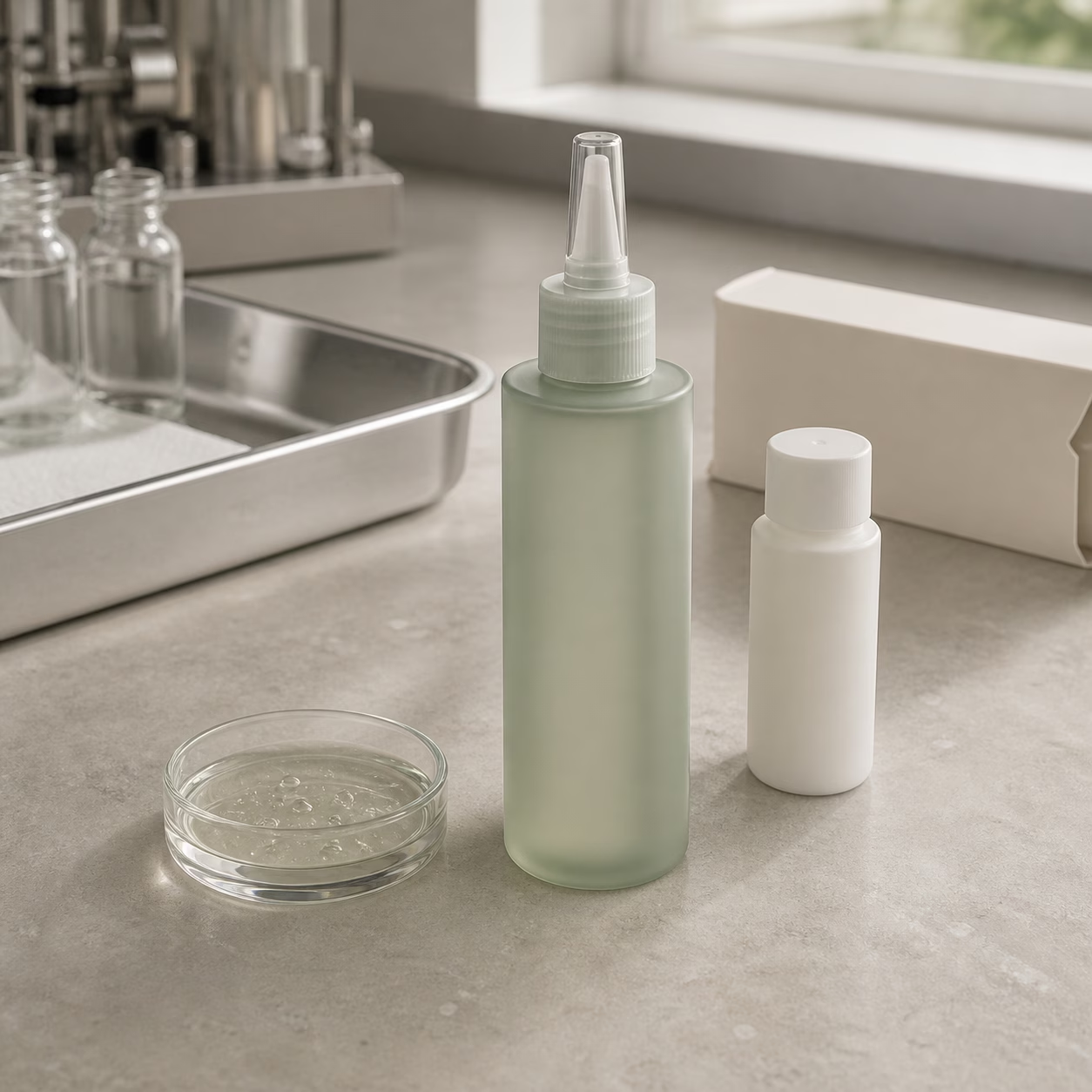
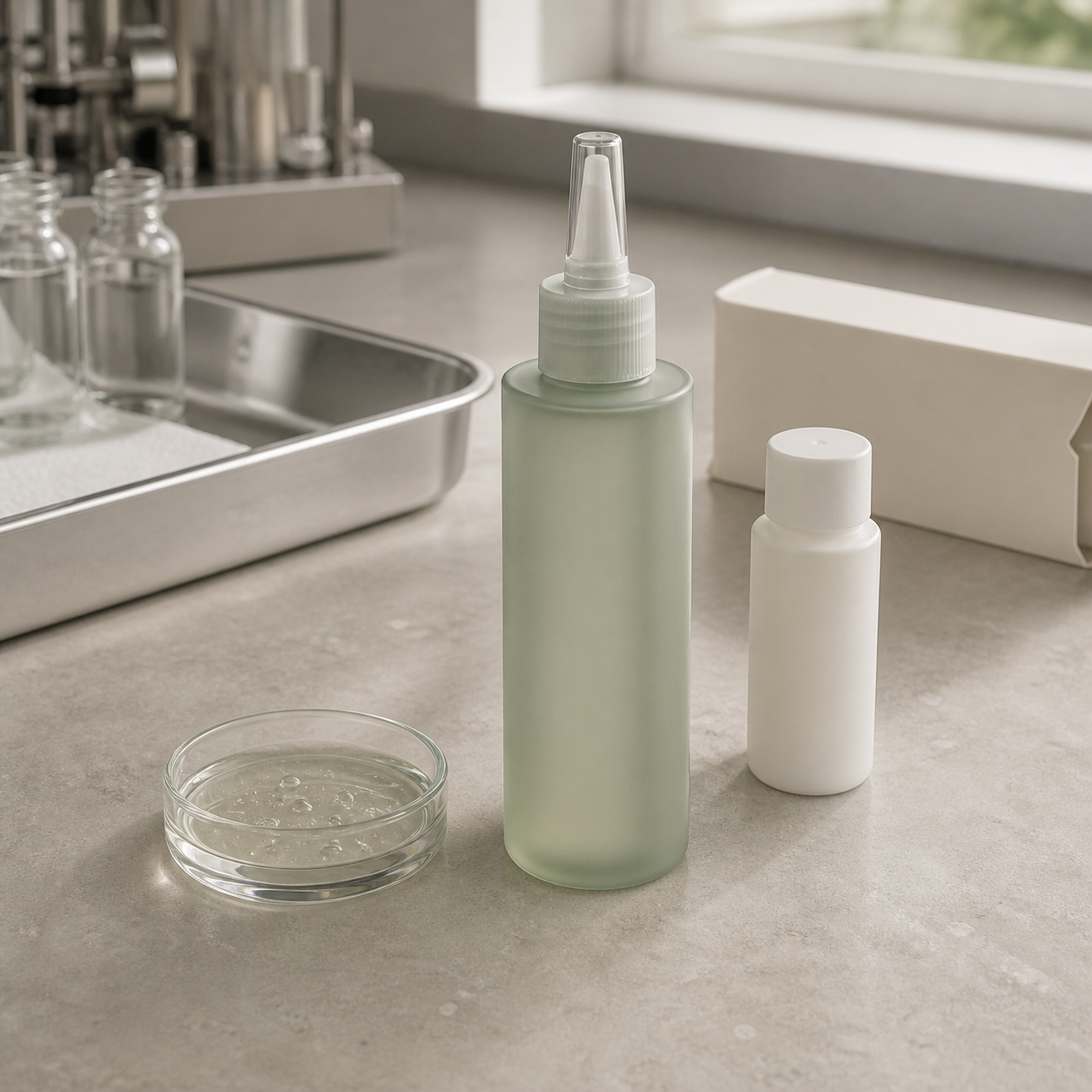
Direct answer: a private label scalp serum brief should lock three boundaries before the first sample: what the cosmetic product may say, how the formula must travel through the applicator, and how the buyer will judge residue and comfort. A useful OEM request is not “make a hair growth serum.” It defines a cosmetic scalp-hydration direction, a target package, a channel, and a short list of physical tests.
Evidence review: 28 August 2026. A brand-authored scalp-care article dated 5 August 2026 describes a pre-shampoo format. It is a use-stage example, not evidence of GUOCUI performance or market growth. The factory-side action is to identify the wash stage before approving a sample brief.
What is a private label scalp serum?
A private label scalp serum is a leave-on cosmetic format developed for controlled application along the hair parting. Its defensible public role can be hydration, a comfortable scalp feel, a lightweight finish and easier routine use. The formula, applicator, label, carton, capacity, quantity, destination market and documentation route are reviewed together before quotation.
The definition matters because “scalp serum” can quickly drift into regulated territory. Statements about creating new hair, reversing gray hair, treating loss, changing follicles or proving a clinical count are not ordinary cosmetic placeholders. They need separate evidence and destination-market review. A safer first brief starts with sensory and packaging performance that a sample team can actually inspect.
Separate cosmetic decisions from high-risk claims
| Brief area | Useful cosmetic-first question | Escalate before public use |
|---|---|---|
| Consumer outcome | Should the scalp feel hydrated, fresh and non-sticky after drying? | Promises to reduce shedding, create more hair or reverse gray hair |
| Formula | Water-light, gel-serum or low-oil route; fragrance-free or lightly scented | Proprietary peptide identity, fixed clinical dose or unverified active mechanism |
| Use routine | Part-line application, controlled massage and no-rinse finish | Medical-use directions or guaranteed treatment timelines |
| Evidence | Viscosity, residue, tack, comb-through feel and package leakage checks | Before-and-after transformation or unsupported clinical statistics |
This split also improves the RFQ. The factory team can quote a cosmetic sample route while the buyer identifies who will review claims and labels for the target market. Neither side needs to pretend an early concept has finished-product evidence.
Fix the wash stage before approving labels
Put the wash stage on the sample brief, feedback sheet and artwork record. Similar packages do not establish interchangeable formulas.
| Route | RFQ decision | Sampling focus |
|---|---|---|
| Pre-shampoo scrub | Separate rinse step | Placement and residual particles |
| Flowing shampoo | Cleansing format | Foam, rinse and dispensing |
| Scalp scrub shampoo paste | Combined paste-format wash | Portion removal, water dispersion, lather and particle clearance |
| Leave-on serum | Finish without rinsing | Drying, residue and outlet cleanliness |
Compare the separate scrub, flowing shampoo and leave-on serum against the intended routine. The paste adds a dispensing-and-dispersion decision; it does not establish stronger results. Formula review must confirm directions and frequency before label approval.
Choose the applicator before finalizing viscosity
A formula that works in a dropper can fail in a directional nozzle or comb head. A narrow nozzle needs repeatable flow without stringing or an uncontrolled stream. A dropper needs clean pickup, dose consistency and low residue around the neck. A short-tooth comb applicator needs even delivery without clogging, sharp edges or difficult cleaning.
For initial sampling, buyers can compare two packages rather than requesting every possible component. One sensible matrix is a directional-nozzle bottle for direct part-line use and a dropper bottle for a more familiar premium presentation. A comb head can remain an optional second-stage pack after its fit and leakage risk are understood.
Build a small formula and residue test matrix
Instead of asking for one “perfect” sample, define two or three controlled routes. For example, compare a clear water-light serum, a slightly cushioned gel-serum and an optional low-oil route. Keep the first round focused on viscosity, spread, drying time, root appearance, pillow transfer, fragrance level and how easily the package reaches the scalp through different hair densities.
Record the result under consistent conditions. The buyer does not need a dramatic consumer challenge. A simple sample sheet can note the number of part lines, approximate amount used, wet or dry application, drying time, visible root residue, tack after ten minutes and whether the applicator remained clean after repeated use.
What the factory and QC team should check
- Formula appearance, odor, pH direction and viscosity against the approved sample.
- Flow through the selected closure after standing, transport vibration and repeated opening.
- Cap fit, torque, leakage, nozzle residue and carton protection.
- Compatibility between formula, bottle, closure, decoration and any liner or seal.
- Label legibility, batch-area planning, multilingual artwork space and carton alignment.
- Filled-pack review before bulk production and shipment preparation.
These are physical working details, not certification or clinical proof. GUOCUI BIO TECH can coordinate formula discussion, sample review, package selection, label localization, QC checks and export communication, while the final specification stays tied to the buyer’s market and order plan.
Plan the product around the sales channel
A salon program may prefer a controlled professional routine, a clean nozzle and training cards for staff. An Amazon or TikTok beauty seller may need a simpler demonstration, stronger packaging protection and concise non-medical language. A distributor may prioritize multilingual labels, carton configuration and several capacity options. The same base idea should not be forced into every channel without a packaging and communication review.
Keep “nightly” or “daily” directions flexible until formula tolerability, target market and label review are complete. The safest launch story is often practical: lightweight scalp hydration, precise application and a clean finish that fits a repeatable hair-care routine.
MOQ, quotation and timeline are brief-dependent
MOQ and quotation can be confirmed after formula route, bottle and closure, quantity range, decoration, label language, carton, testing and shipping plan are reviewed. Sample and production timing can be confirmed after the same items are aligned. A stock component with restrained decoration can follow a different path from a custom comb head, molded bottle or multi-market carton.
Buyers should also state whether they need one hero size, a travel size, a salon back-bar size or a coordinated set. That decision affects component sourcing, fill tests, artwork versions and carton planning.
RFQ checklist for a scalp serum OEM project
- Target country and buyer channel.
- Cosmetic positioning and words that must be reviewed or avoided.
- Preferred formula feel, fragrance direction and root-finish target.
- Directional nozzle, dropper or comb-applicator preference.
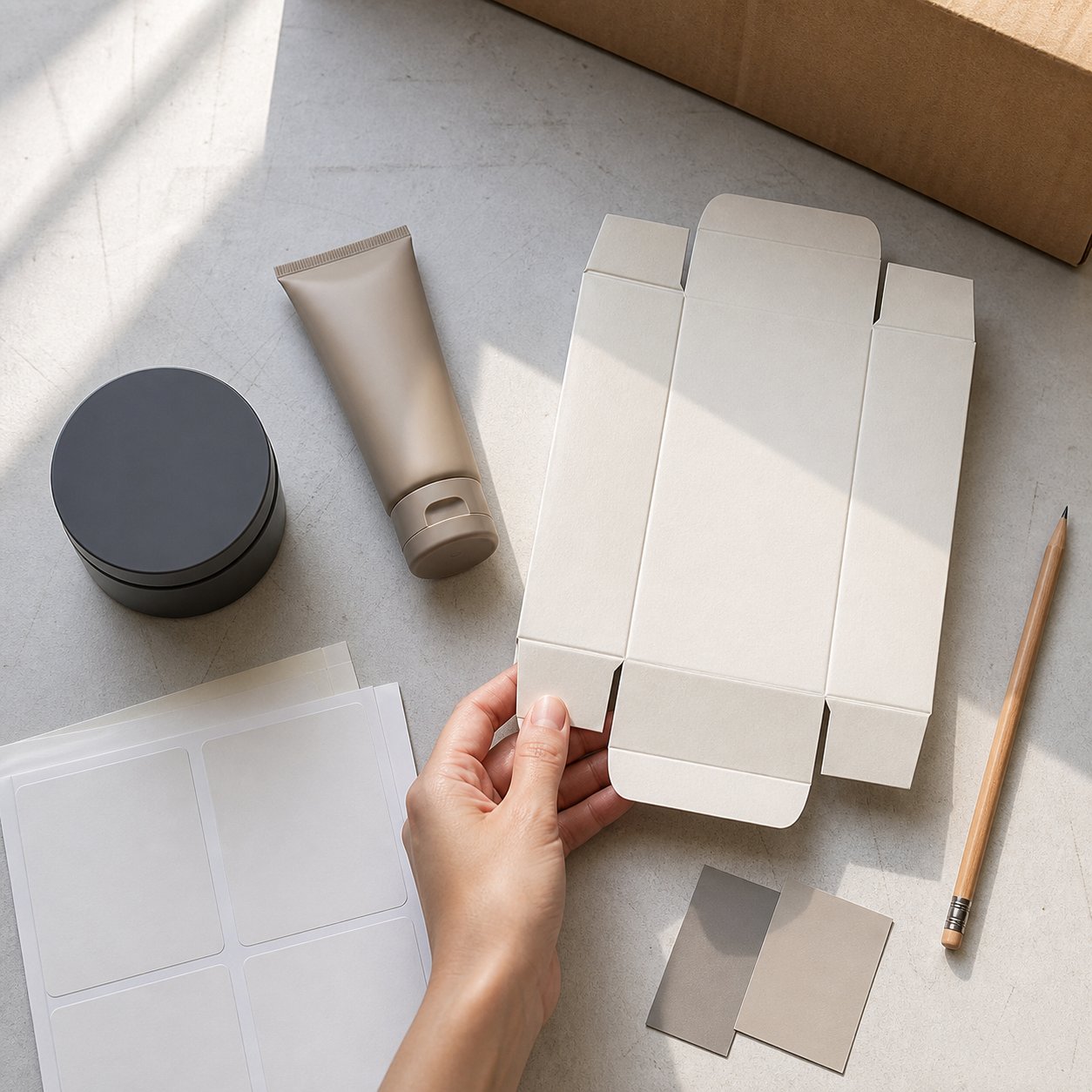
- Capacity, quantity range, label language, carton and set requirements.
- Wash stage, sample comparison plan and the person responsible for approval.
- Required documents and expected shipping destination.
Start from the GUOCUI product catalog, review the Hair Care category, compare our scalp serum mist direction, and use the OEM/ODM customization workflow. When your channel and package route are clear, send GUOCUI your scalp serum brief.
FAQ
Can GUOCUI make a scalp serum with a precision nozzle?
A directional-nozzle route can be evaluated with the formula viscosity, flow, cap fit, leakage and residue requirements. The final component is confirmed after sample and packaging review.
Can the product claim hair growth or gray reversal?
Those are not automatic cosmetic claims. They require evidence and destination-market review. A first OEM brief can stay within scalp hydration, comfortable feel, lightweight application and non-greasy finish.
Should a buyer choose the formula or package first?
Choose a short package route early, then develop formula and closure performance together. Finalizing either one in isolation can create flow, leakage or compatibility problems.
What capacity is best for salon and retail channels?
Capacity depends on use frequency, applicator dose, retail price plan, carton and channel. A hero retail size can be compared with a smaller trial or larger professional format before tooling or artwork is locked.
How is quotation calculated?
Quotation depends on formula, packaging, quantity, decoration, label and carton requirements, testing, documentation and shipping plan. Exact figures should follow a reviewed RFQ.
What should the buyer send before sampling?
Send the market, channel, cosmetic positioning, texture and fragrance direction, package preference, capacity, quantity range, artwork language, sample deadline and shipping destination.
Leave a Reply