
A solid cologne set needs a sample matrix that identifies the formula version, pan, case, label and set arrangement for each proposed combination. Approve those combinations by version. A good-looking case or a single scent sample cannot establish that every item in the proposed set is ready for production.
This guide is a procurement worksheet for buyers comparing private label solid cologne packaging. Start with the GUOCUI solid cologne set inquiry page, then separate what the picture shows from the specifications your order still needs. The objective is a traceable sample decision that the buyer and factory can both read.
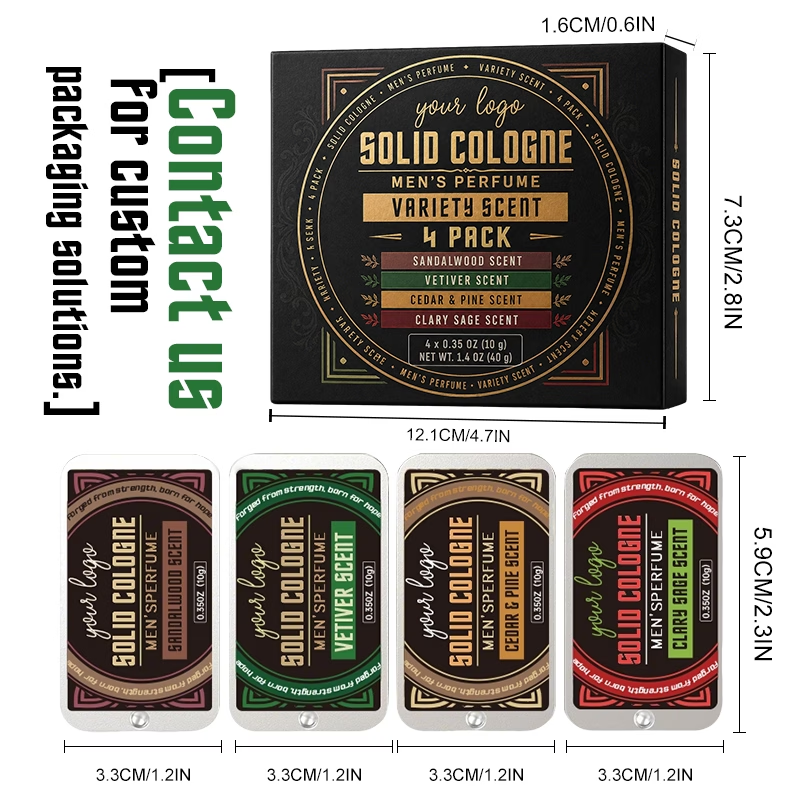
Give every sample a combination ID
Before comparing samples, put a combination ID on the sample bag and its record. Keep that ID separate from a marketing scent name. A useful entry identifies the proposed formula revision, fill specification, pan drawing, case drawing, closure, decoration and outer-pack revision. If one field is unknown, leave it open and name the person who will confirm it.
Use simple identifiers such as A01 and A02. These are worksheet examples, not supplier model numbers. Photograph the received sample beside its ID, record the receipt date and retain the packaging it arrived in. A later comment such as “use the first black case” becomes difficult to interpret when several case or decoration revisions exist.
Build the case-and-pan matrix before choosing a set
Compare one proposed combination per row. Keep the formula and pack references visible together, even when the case supplier and formula contact are different people. The matrix below defines questions for development; it does not claim that a particular material, mechanism or test has been approved.
| Matrix field | Buyer decision | Evidence to keep |
|---|---|---|
| Formula and fill | Which sample revision and intended fill belong in this row? | Sample ID and confirmed specification |
| Pan and case | Which drawings, material references and closure are proposed? | Component references and dimensional review |
| Use and handling | How should the finished sample be opened, used and stored? | Supplier instructions and recorded observations |
| Decoration | Which artwork revision fits the selected component? | Approved artwork and placement reference |
| Set arrangement | Which combinations go into the outer pack, and in what order? | Assembly map and pack revision |
| Release decision | Accepted, revise or pending? | Dated decision, reviewer and unresolved points |
Two rows may look almost identical but still require separate review. A different pan, fill specification, fragrance version or decoration method is a change to record. Ask the factory which checks need repeating when a component changes, rather than assuming that a previous sample approval transfers automatically.
Separate empty-pack handling from filled-sample review
An empty case is useful for discussing grip, opening, closure, label position and access to the pan. Record observations in ordinary language: the lid is difficult to move, the edge catches a finger, or the label covers an opening point. Avoid turning an informal handling check into a claim about durability or safety.
A filled sample addresses a different question: how does the proposed product and packaging combination behave under the agreed evaluation conditions? Ask the supplier to define the appropriate compatibility, stability and packaging checks for the intended market and shipment plan. Record conditions, sample revision, observation dates and acceptance criteria. This article specifies no universal test duration, temperature or pass threshold.
Review the whole set as an assembly
Once individual combinations are identified, draw a simple assembly map. It should show the position of each case, the corresponding product identification and the outer-pack artwork revision. Confirm how a packer can distinguish items during assembly. If the cases look alike, a sequence visible only in the designer’s file will not help the packing team.
Request a sample of the intended set arrangement for review. Check that the box, insert and labels correspond to the same revision record. Record whether information remains readable when the pack is closed and whether components can be removed as intended. Any distribution or shipping evaluation should follow an agreed plan appropriate to the finished pack, destination and transport mode.
Quote the selected combinations, not the reference picture
A quotation request should attach the matrix and identify the rows being considered. Include the target market, proposed quantity by combination, decoration requirements, outer-pack arrangement and shipping assumptions. Ask the supplier to distinguish confirmed items from options that still depend on component or formula review.
Quotation depends on formula, packaging, quantity, label requirements and shipping plan. MOQ and quotation can be confirmed after formula, packaging and order plan review. Sample and production timelines also need confirmation after the chosen combination and outstanding approvals are clear. A reference image does not establish a fixed price, current stock or a manufacturing schedule.
Freeze one approved revision and log later changes
Keep a dated approval record that lists the accepted matrix rows, artwork revisions and remaining conditions. Identify a retained reference sample where available. Ask both sides to acknowledge the same record before production planning. “Approved” should point to a particular combination and revision, rather than the most recent image in a message thread.
When something changes, create a change entry. State which row is affected, what changed, why, and which checks or approvals must be renewed. Keep the earlier entry readable. This makes it easier to explain why a revised case or label needs another discussion without reopening unrelated parts of the project.
Questions buyers ask before sample approval
Does one case-and-pan sample approve every scent in a set?
No. Identify each proposed formula and packaging combination. Ask the supplier which evaluations apply to each version and record any justified grouping before accepting it.
Can the artwork image confirm the fill quantity or case dimensions?
No. Use the image as a discussion reference. Confirm the fill specification and component dimensions through the applicable specification and sample records.
What should the buyer send before asking for a quotation?
Send the sample matrix, target market, proposed quantity by combination, packaging and artwork requirements, desired set arrangement and shipping plan. Mark unresolved fields for review.
What happens if the case changes after sample approval?
Record the new component revision and affected matrix rows. Ask which compatibility, handling, artwork or packing checks need repeating, then approve the updated combination before release.
GUOCUI BIO TECH / Guangzhou Guocui Biological Technology Co., Ltd. can receive your proposed matrix for a product and packaging discussion. Browse Products and the Body Spray category, review Customization, or send a solid cologne sample-matrix inquiry. Use the Skincare Industry Trends center for dated research, with sample approval kept separate from market interest.