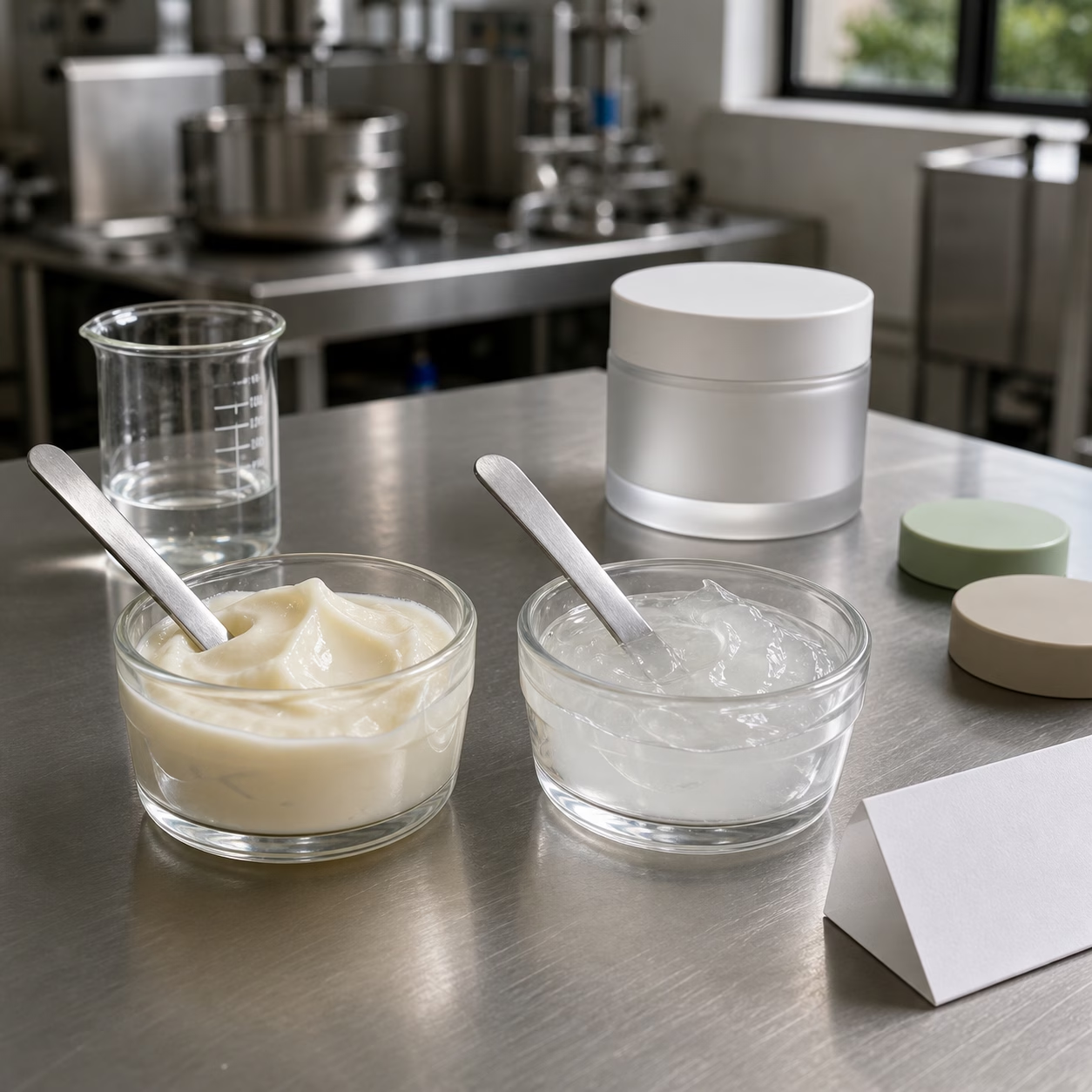
Direct answer: A skin longevity skincare OEM brief should turn a broad trend phrase into a product that a buyer, sample team, packaging supplier and claims reviewer can actually evaluate. Start with the intended user, texture, routine role and cosmetic appearance benefit. Then define formula categories, sample checks, package output, evidence needs and market wording. Do not build the project around a competitor’s product name, proprietary complex, dramatic biology story or unverified age-reversal promise.
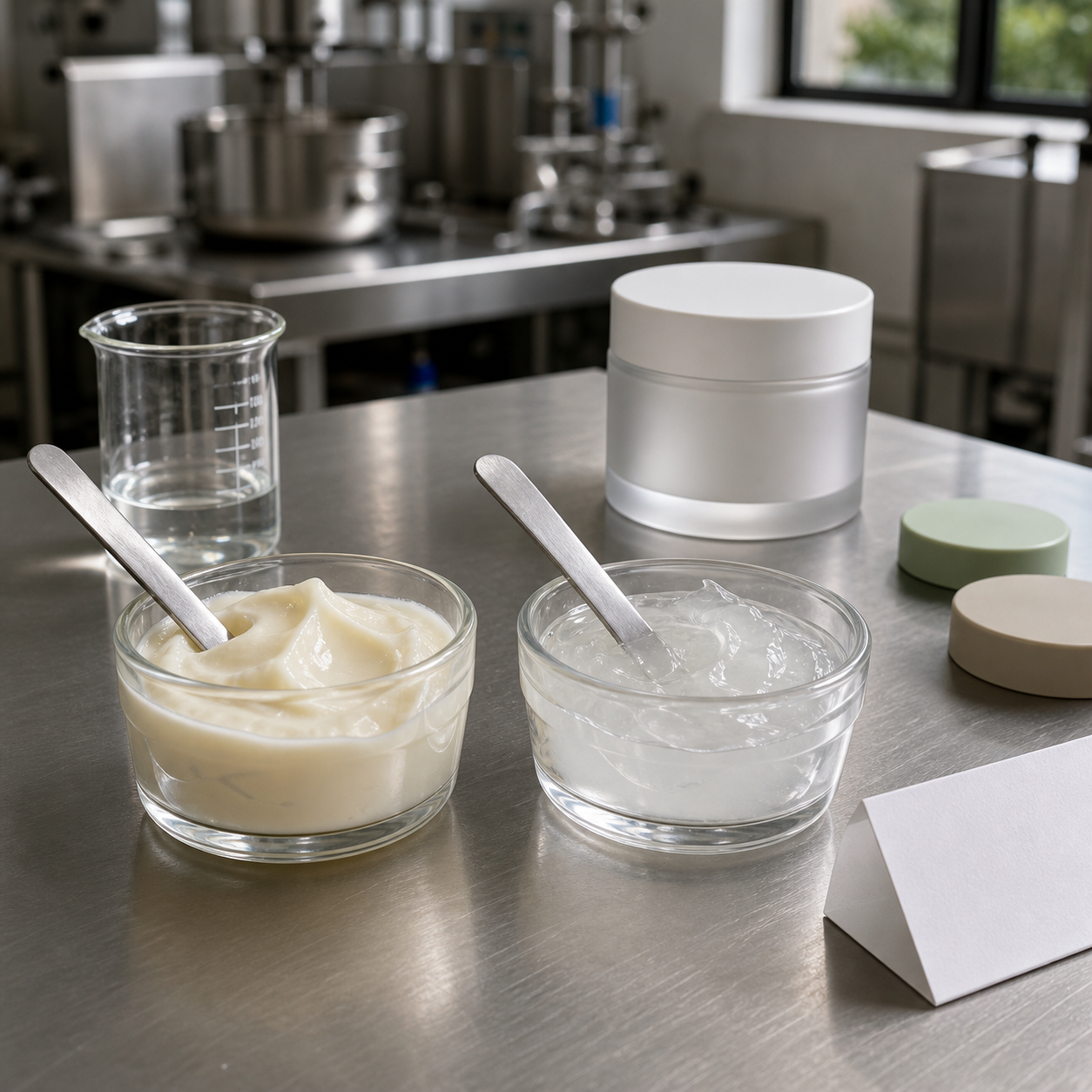
What “skin longevity” should mean in an OEM conversation
For a practical private label project, skin longevity is a positioning umbrella, not a finished claim. It can organize familiar cosmetic decisions around moisture, barrier-care positioning, comfortable daily use, antioxidant direction, texture and a well-conditioned appearance. It does not by itself prove that a product changes cellular ageing, regenerates tissue or alters the structure of skin.
That distinction matters because product status is shaped by intended use. FDA guidance explains that claims to treat disease or affect body structure or function can move a product beyond an ordinary cosmetic route. EU cosmetic-claim criteria also require claims to be supported and presented honestly. A buyer should therefore lock the market and evidence plan before artwork turns an interesting concept into an unsupported promise.
Translate the trend into decisions the sample team can measure
| Trend-level request | Sample or document decision | Conservative early wording |
|---|---|---|
| “Make a longevity cream.” | Choose routine role, skin-feel target, user profile and sales channel. | Daily mature-skin care or barrier-support cream direction. |
| “It should feel resilient.” | Define spread, cushion, absorption, tack, finish and next-morning feel. | Comfortable, cushioned moisture and a smoother-looking finish. |
| “Use advanced actives.” | Review supplier identity, INCI, recommended use, stability and claim support. | Custom formula direction subject to ingredient and market review. |
| “Show visible change fast.” | Set a finished-product test plan and approve exact claim wording only after evidence review. | No fixed timing or quantified result during concept sampling. |
Build the formula brief without borrowing a proprietary story
A safer starting brief uses ingredient categories the development team can evaluate: humectants for moisture, emollients for slip and cushion, ceramide-positioned or lipid directions for barrier-care storytelling, soothing-feel materials, peptides, ferments or antioxidant directions where feasible. These are development routes, not a promise that every ingredient will appear in the final formula.
Ask the factory to confirm the complete INCI proposal, raw-material documentation, compatibility, color and odor risk, target pH where relevant, preservation approach and package constraints. Do not assume a source product’s percentages, supplier trademark, patented combination or clinical language can be transferred. If the buyer wants a named supplier active, the quotation should identify its documentation and cost separately from the base formula.
Choose one texture architecture before comparing packages
“Cream” can mean a quick-break gel-cream, a soft lotion-cream, a dense buttery texture or an airless-pump formula with controlled output. Sampling too many undefined textures at once makes feedback vague and quotation comparisons weak. Pick one primary architecture and one deliberate alternative.
- Light gel-cream: assess quick spread, low tack, pilling and warm-climate feel.
- Cushioned cream: assess pickup, drag, absorption time and protective after-feel.
- Airless-compatible cream: assess priming, dose consistency, tail-off and formula left in the pack.
- Jar format: assess scoop or finger pickup, surface recovery, closure fit and label area.
Package selection follows the formula. A pump chosen from a reference photo may not handle the final viscosity. The sample team should check output after storage, leakage, closure torque, label adhesion, carton fit and the filled pack—not only the empty component.
Use a three-layer claim handoff
- Concept layer: target buyer, routine role and cosmetic benefit direction. Keep this flexible while formulas are being screened.
- Sample layer: observable sensory notes such as spread, tack, finish and package output. Do not convert a pleasant sample into a clinical claim.
- Launch layer: final INCI, finished-product evidence, destination-market review, label language and channel requirements. Approve public copy only at this layer.
This handoff prevents early mood-board language from becoming permanent artwork. It also helps buyers compare manufacturers fairly: the formula, package and evidence scope are visible rather than hidden behind a fashionable phrase.
What GUOCUI checks during sample and QC discussion
GUOCUI BIO TECH can organize a private label or custom formula discussion around the approved brief. The team can compare texture directions, review sample feedback, check jar, tube or pump options, confirm blank-pack fit, discuss custom logo label and carton requirements, and record QC points before production planning. Final MOQ, quotation and timing depend on formula, packaging, decoration, quantity, label languages, document needs and shipping plan.
A useful sample record names the formula version and package tested. It notes appearance, odor, spread, absorption, tack, finish, pilling, pump output or jar pickup, and any change after the agreed observation conditions. If the buyer changes the formula or package, the affected checks should be repeated rather than carried forward by assumption.
Buyer brief checklist before quotation
- Target country, sales channel and intended user.
- Routine role: day cream, night cream, gel-cream, serum or coordinated set.
- Primary texture, finish, fragrance and color direction.
- Ingredient categories to explore and ingredients to avoid.
- Cosmetic claim boundary and evidence expected before launch.
- Jar, airless pump or tube preference, capacity and decoration plan.
- Custom logo, label languages, carton and insert requirements.
- Estimated quantity, sample window, launch timing and shipping market.
Frequently asked questions
Is skin longevity a specific formula?
No. It is a positioning direction. The final formula still requires a defined texture, ingredients, package, sample checks, safety support, claims and market review.
Can GUOCUI copy a trending longevity product?
No. A workable project keeps only the general buyer need. Competitor names, proprietary systems, source images, distinctive packaging and fixed performance claims must not become the new product identity.
Which product format is the best starting point?
A face cream or gel-cream is often easy for buyers to understand, but the right format depends on channel, climate, routine and packaging. A serum or coordinated set may be more suitable for another brief.
Can MOQ and price be confirmed from the concept alone?
No. MOQ and quotation can be confirmed after formula, packaging, quantity, label requirements, document needs and shipping plan review.
When should public claims be finalized?
After the final formula, intended market, evidence and label context are available. Concept copy should remain conservative until that review is complete.
Start a claim-aware custom skincare brief
Browse GUOCUI Products, the Face Care category, Facial Cream options and Customization. For the design-around boundary, read nine decisions before cream sampling. When the product direction is clear, send GUOCUI the target market, texture, package, quantity range and launch timing.
Source context
- FDA: Is It a Cosmetic, a Drug, or Both?
- European Commission: cosmetics legislation and claim criteria
Leave a Reply